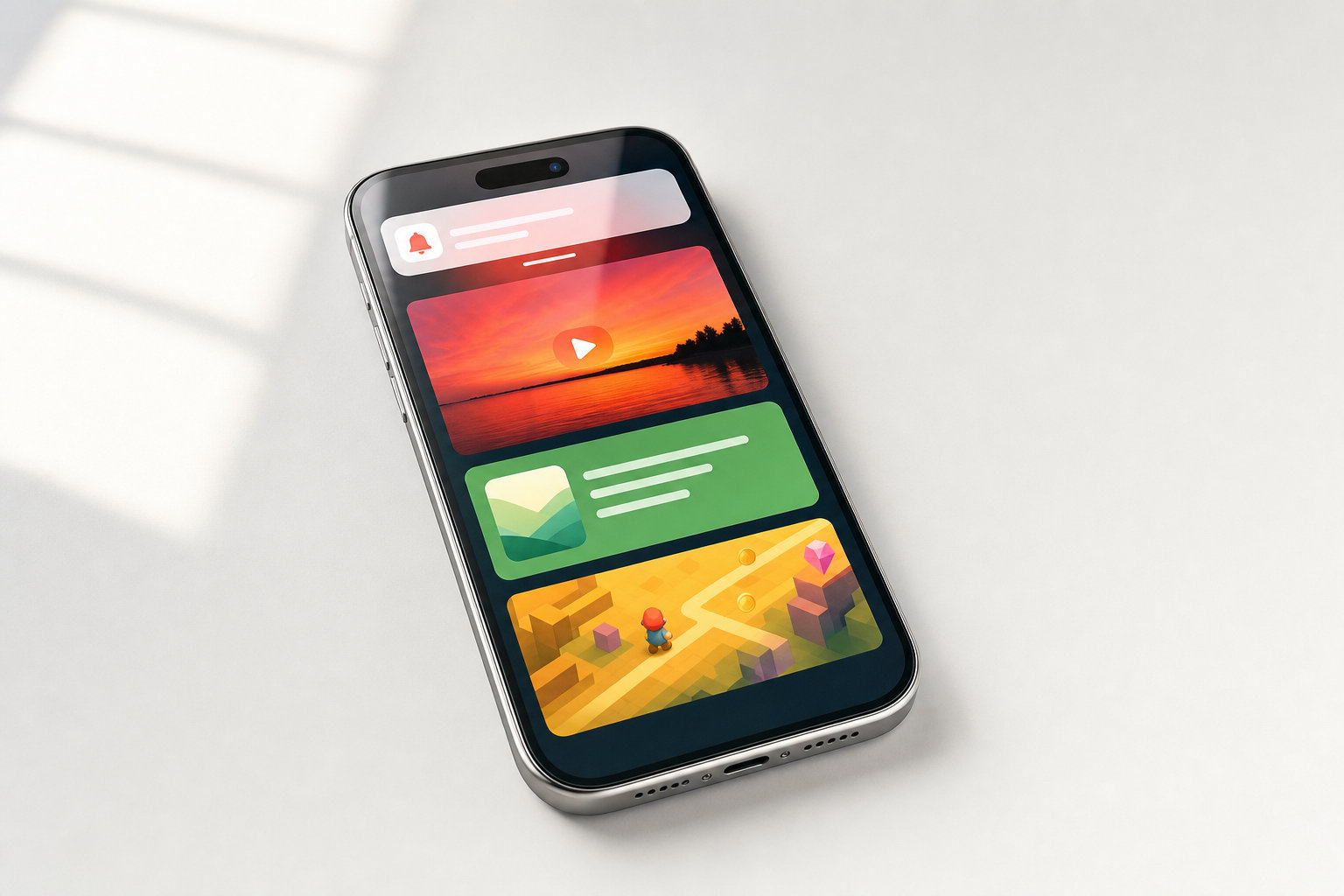
The rapid growth of micro-entertainment formats is profoundly altering how people use their smartphones, drawing audiences to fast, focused experiences over lengthy sessions. News, gaming, and streaming apps are all adapting their offerings to fit the reality of fragmented attention spans and busy schedules. At the heart of this shift is an emphasis on giving users value in the briefest possible timeframe.
Micro-entertainment thrives because it caters to the rhythms of modern, on-the-go lifestyles where even a spare minute becomes an opportunity for digital engagement. From short news bites to ultra-quick gaming rounds, mobile platforms are prioritizing content that can be consumed in fleeting moments. These same patterns are evident not just in news but across gaming, creator-driven video, and interactive entertainment sites, illustrating why micro-entertainment consistently captures mobile attention in today’s digital landscape.
Designing for speed and simplicity
Mobile apps now prioritize layouts and features that lower barriers to instant enjoyment, embracing cards, swipes, and snackable segments to match shortened attention spans. Many platforms limit text length, offer auto-play video, or deliver rapid-fire content updates, which can be quickly browsed or dismissed. Such features pull users in by removing friction commonly associated with traditional, long-form experiences.
This focus on immediacy extends to push notifications and adaptive interfaces designed for one-handed use on vertical screens. As a result, users can access quick news summaries, short game levels, or personalized recommendations in seconds, helping micro-entertainment offerings fit seamlessly into unpredictable, multitasking routines.
The visual design philosophy behind micro-entertainment also emphasizes bold, eye-catching elements that communicate value at a glance. Large thumbnails, vibrant color schemes, and concise headlines work together to help users make split-second decisions about what to consume. Interface elements are deliberately oversized for touch accuracy, while animations and transitions are kept minimal to reduce loading times. This streamlined aesthetic not only accelerates the browsing experience but also reduces cognitive load, allowing users to process multiple content options rapidly without feeling overwhelmed by complexity or visual clutter.
Personalization and retention in micro moments
For micro-entertainment to remain compelling, platforms rely on personalization engines to deliver content that aligns with individual preferences and habits. Algorithms curate headlines, highlights, and suggestions, maximizing the likelihood that every short interaction feels relevant and rewarding. This targeted approach not only surfaces content users are more likely to engage with but also strengthens app loyalty over time.
Retention metrics such as frequency of return and average session length shape ongoing product decisions, encouraging providers to keep experiences fresh and brief. Tailoring notifications or refresh cycles around daily routines further reinforces short, purposeful engagement, ensuring that audiences receive value even in brief interactions with their device.
Machine learning models continuously refine their understanding of user behavior by tracking engagement patterns across different times of day, content categories, and interaction types. These systems can detect subtle preferences—such as whether a user favors visual content over text in the morning or prefers certain topics during commute hours—and adjust recommendations accordingly. By creating these hyper-personalized micro-experiences, platforms transform brief sessions into habit-forming touchpoints that feel uniquely tailored to each individual, driving higher engagement rates and fostering a sense of connection that keeps users returning throughout the day.
The wider impact of micro-entertainment on digital habits
The success of micro-entertainment formats is influencing nearly every aspect of digital culture. Gaming, video, news, and even educational platforms are borrowing elements like swipe-driven feeds, quick challenges, and atomized content to sustain the attention of an audience accustomed to near-constant choice. Developers have adapted, structuring products so that enjoyment, information, or a sense of accomplishment can be achieved within seconds rather than minutes.
Although this shift presents challenges—such as the risk of oversimplifying complex information or increasing exposure to shallow content—the advantages of micro-entertainment for engagement and accessibility are clear. As apps and platforms continue to adjust to fragmented attention, the dominance of micro-entertainment is set to shape mobile usage habits well into the future.