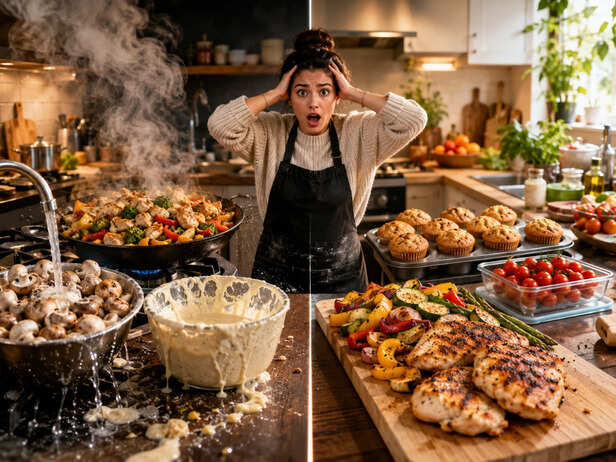
Ever wondered why your homemade food doesn't always taste quite like the version you get at your favorite restaurant? The answer may not be your recipe. It could be the tiny habits you've picked up over the years without even noticing. Most of us learn cooking from parents, grandparents, or random internet videos. While many tips are useful, some kitchen traditions simply aren't the best way to do things. The good news is that fixing these mistakes is surprisingly easy. Here are five common cooking habits that could be holding your meals back.
Washing Mushrooms Under Running Water
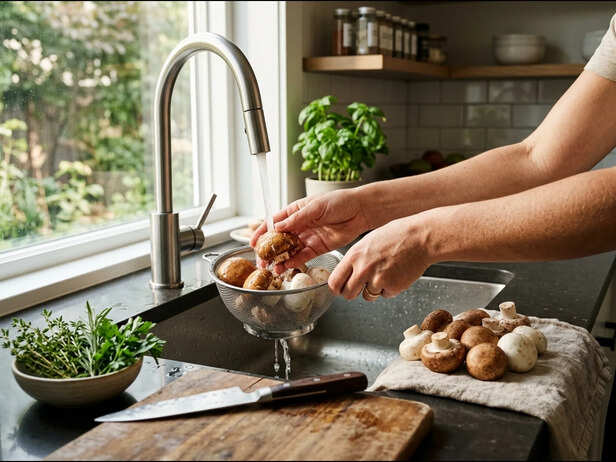
Mushrooms have a reputation for acting like little sponges, which is why many people avoid washing them altogether or give them a quick rinse right before cooking. The truth is a brief rinse won't ruin them. What does affect them is soaking them in water for long periods. Mushrooms absorb moisture, which makes it harder for them to brown properly in the pan. Instead, rinse them quickly under cold water or wipe them with a damp cloth if they're only lightly dirty. Dry them well before cooking to help them develop that rich, golden color.
Crowding the Pan
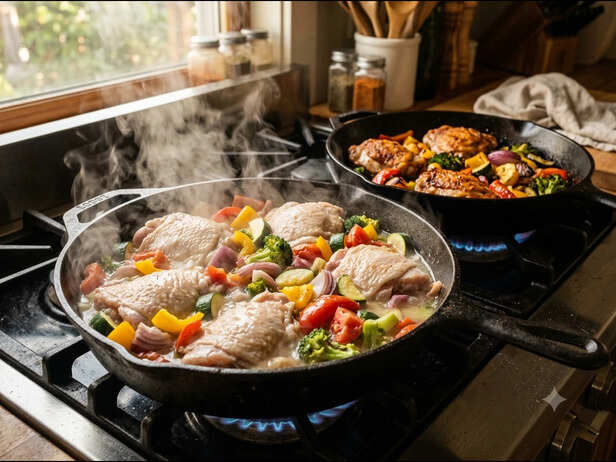
It feels efficient to cook everything at once, especially when you're hungry. Unfortunately, your pan has other plans. When too much food is packed into one pan, the ingredients release moisture that gets trapped. Instead of browning, the food starts steaming. That's why vegetables turn soft and chicken often looks pale instead of beautifully caramelized. Give your ingredients a little breathing room. Cook in batches if needed. It takes a few extra minutes but the flavor and texture improve dramatically.
Overmixing Batter
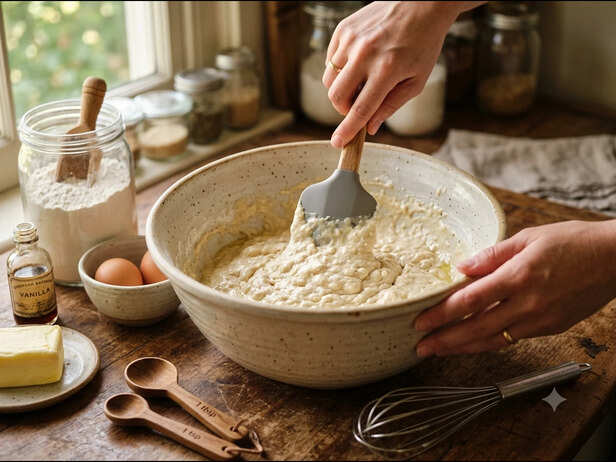
Whether you're making pancakes, muffins, or cakes, mixing longer doesn't make the batter better. Overmixing develops too much gluten in flour, leading to baked goods that are dense, chewy, or rubbery instead of soft and fluffy. Once the dry ingredients are combined with the wet ones, stop mixing as soon as you no longer see streaks of flour. A few small lumps are completely normal and often lead to better results.
Salting at the Wrong Time
Salt isn't just about making food salty. It's one of the most powerful tools for building flavor. Many home cooks wait until the very end to season everything. While finishing salt has its place, seasoning throughout the cooking process allows flavors to develop more evenly. Vegetables release moisture better with early seasoning, meat benefits from being salted before cooking, and soups usually taste more balanced when adjusted gradually instead of all at once. The key is to taste as you cook and season in small amounts rather than dumping everything in at the end.
Refrigerating Foods That Don't Need It
The refrigerator isn't always the safest or smartest place for every ingredient. Tomatoes lose much of their flavor in cold temperatures. Potatoes can develop an unpleasant sweetness as their starch changes into sugar. Bread often goes stale faster in the refrigerator than it does at room temperature. Knowing what belongs on the counter and what belongs in the fridge can help preserve both taste and texture. Store foods according to their specific needs instead of assuming colder is always better.
Small Kitchen Habits That Make a Big Difference
Great cooking isn't always about expensive ingredients or fancy equipment. More often, it's about avoiding the little mistakes that q uietly affect every meal.The next time you're in the kitchen, pay attention to these simple habits. Give your pan some space, mix your batter gently, season with purpose, and store ingredients the right way. These small changes may seem minor, but together they can make your everyday cooking taste noticeably better.
Unlock insightful tips and inspiration on personal growth, productivity, and well-being. Stay motivated and updated with the latest at My Life XP.