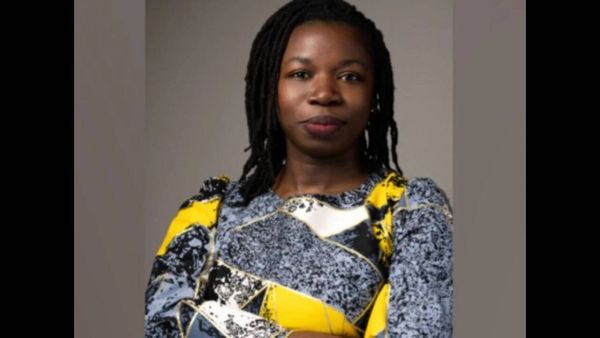

In her newly released memoir, Transcendent, Laverne Cox looks back at her life and career, including, of course, her breakthrough role as Sophia on Orange Is the New Black. When the series premiered, Cox was 41. And while she might have been trying to make a name for herself as an actor before this—looking back, she's glad that stardom happened when it did.
On the latest episode of the "Nice Talk" podcast, Cox opens up about how, in her childhood, she tried to gain love through her achievements in school, because she couldn't be loved for being her authentic self. "That's a problem. That's not healthy," Cox says, but she continued to see this pattern pop up in her adult life.
"We're turning 30, and like, well, wasn't a star yet. I wasn't famous yet, and I felt like a failure," she recalls. "And then, when I hit 40, it still hadn't happened. There was something in me that defines myself a little bit by what I do."
Now, having gone on to huge success as an actor and TV host, she has a different perspective on fame than she would have had earlier in life.
"What I understand now is that it is all to be of service to something bigger than me," she says. "It's not about my ego, which it would have been if it had happened in my twenties or thirties. I think fame would have been about my ego, and now it's about being of service. And so I think that's the difference between adult Laverne who's, like, a little more healed than the Laverne who was like, 'I'm gonna be rich and famous. I'm gonna show all of you bullies I'm fabulous' or whatever."
A post shared by Laverne Cox (@lavernecox)
A photo posted by on
Part of that bigger mission is Cox's advocacy for trans rights and representation. She says that her book being released in the current political climate feels "divine."
"What we are witnessing around how trans people are talked about and legislated against in this moment is completely about dehumanization," Cox explains. "The Republican Party has been able to very successfully dehumanize trans people. I think they've done an amazing job of it." She says this "well organized, well funded propaganda campaign .... manufactures consent to take away rights and commit violence against us."
With her book, she's contributing—as she has many times in her career—to changing this hateful narrative.
"I think a lot of our work right now is to rehumanize trans people, and the way we do that is with stories," Cox continues. "We do that by telling our stories, elevating the voices and lived experiences of actual trans people."
For more from Cox—including tales about her "broke and fabulous" days in '90s New York City—check out this week's installment of "Nice Talk." The episode is available everywhere you listen to podcasts.