It is curious how quickly the narrative can swing. Late in 2025, senior executives at England’s Rugby Football Union (RFU) were reflecting on that very fact as they assessed a year that began in chaos and ended with an altogether rosier feel around Twickenham’s Allianz Stadium.
The buildup to last year’s Six Nations had been dominated by the reaction to the reporting of a record loss at the union, and the resultant cacophonous calls for change. England’s men, still the primary revenue driver for the RFU, had endured a year of struggles, including an autumn of discontent in 2024 during which they contrived to lose at least two games they could, or perhaps should, have won. In round one of last year’s Six Nations, Steve Borthwick took his side to Dublin and saw them well beaten, with recurrent flaws all too readily apparent.
The catalyst for improvement came thanks to a sloppy showing from France, with a collection of dropped balls and missed opportunities, and England’s contrasting efficiency, providing the first of what became 11 consecutive wins. For Bill Sweeney, the beleaguered chief executive facing a vote of no confidence, it was certainly welcome; there are those who wonder if the CEO would have survived had a strong Six Nations campaign not provided a dose of positivity, one that rolled into a triumphant Women’s World Cup.
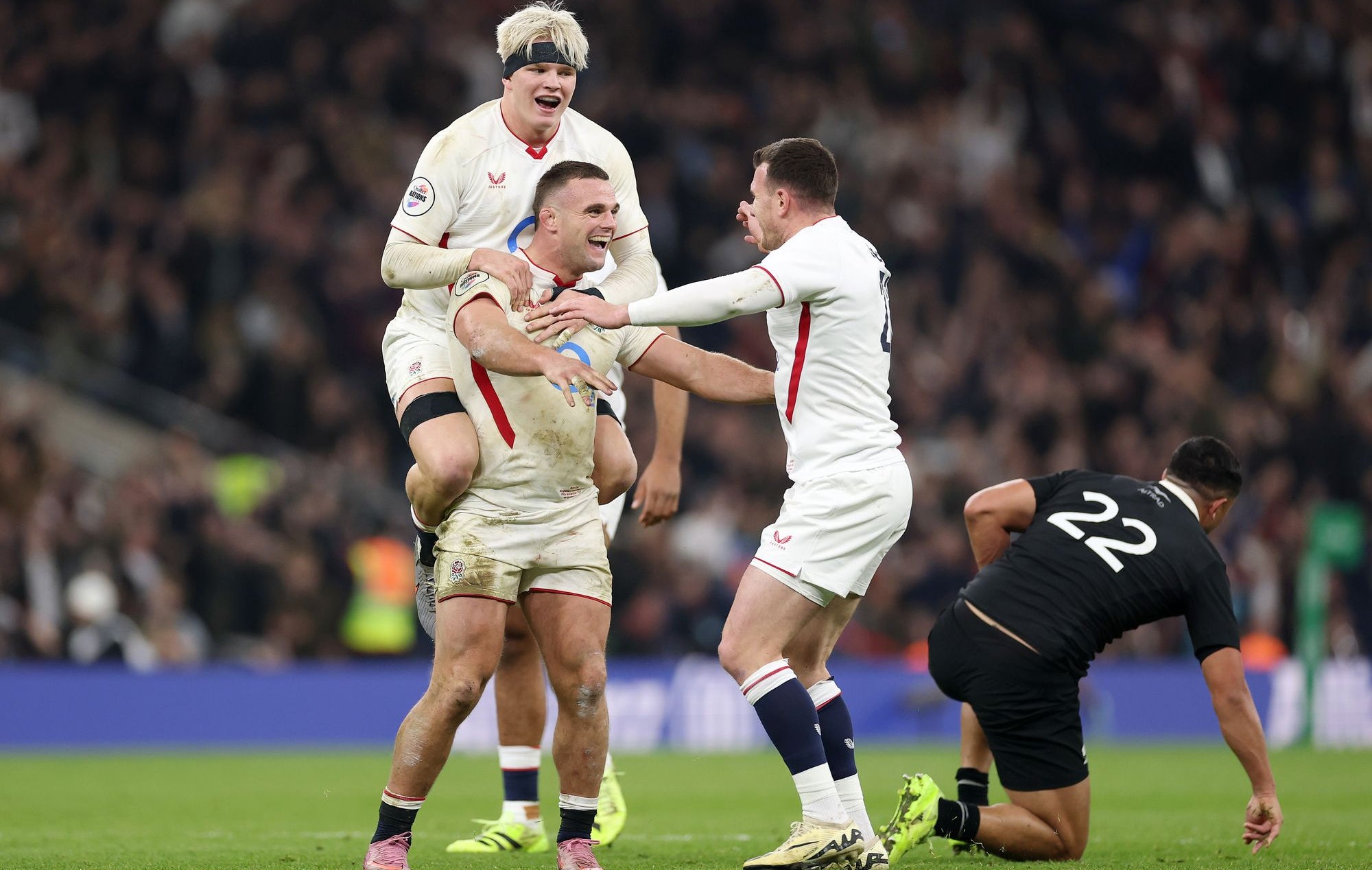
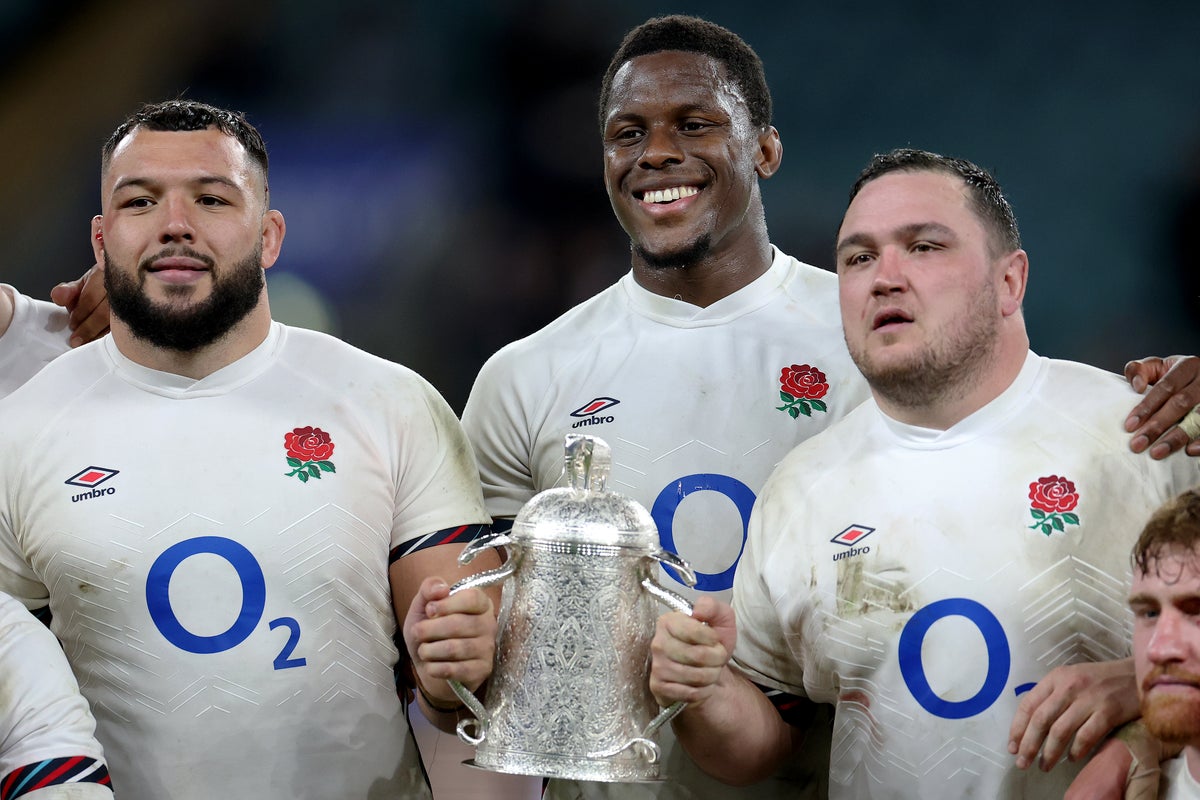
The feeling now, though, is that Borthwick and his side must take the next step. It is six years since they last lifted the trophy, the first of twin triumphs in that strange autumn of 2020 during which the fans were shut out. While one of the charms of this grand old championship is how level a playing field it provides, the entitled view – one possessed by plenty internally and externally at so-called HQ – is that that is surely too long for a nation of such resources. However impressive France were on the opening night, the time for a true title tilt is now.
“We’re in a good spot, there’s no hiding that,” said Jamie George, who will captain England against Wales with Maro Itoje on the bench.
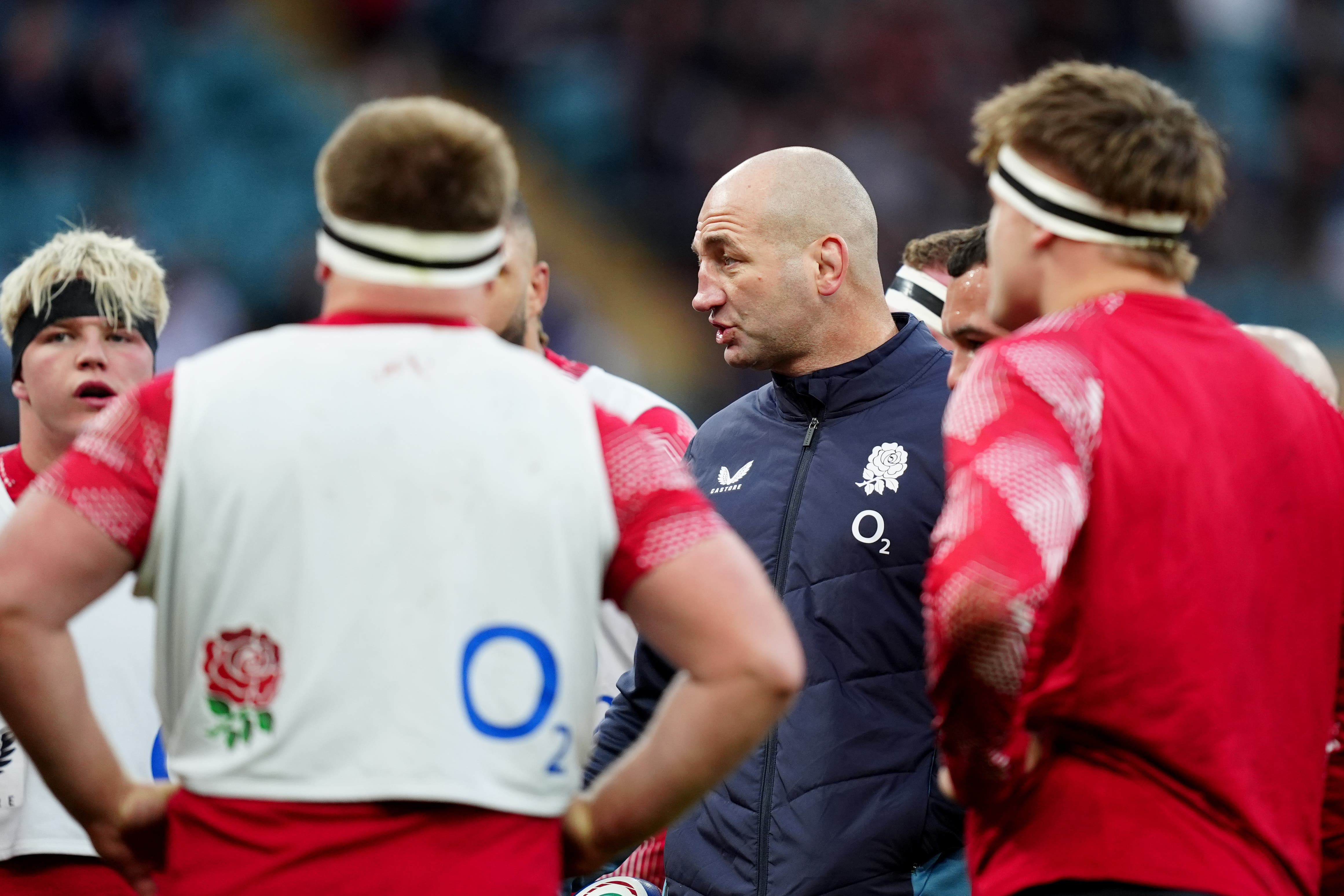
“There’s a lot of confidence in the group and a lot of enjoyment about being in camp. That’s a good indicator that you will go on to play good rugby. We welcome the expectation because it’s a compliment for what we’ve done and what we’ve achieved over a short period of time, but it also keeps us on our toes because we know we can’t be complacent and can’t rely on previous performances.”
There is no need for crossed fingers here. The building of a case for English candidacy, which has felt a stretch at times in the last half-decade, does not require much benefit of the doubt. Borthwick, like many top coaches, has been known to grow frustrated at a focus on results over the process of making progress.
Over the last 12 months, and 11 wins, both have been in place. The final-quarter woes of 2024 have been corrected; England are now a force in the final 20 minutes, behind a bench of vastly improved experience and strength. The development of the requisite depth to execute that strategy was accelerated by a tour to Argentina last summer that ran concurrently with a British and Irish Lions tour on which many Englishmen were prominent performers. Improved relationships with the clubs, and the Gallagher Prem as a whole, have created fewer stresses and strains for Borthwick and his squad.
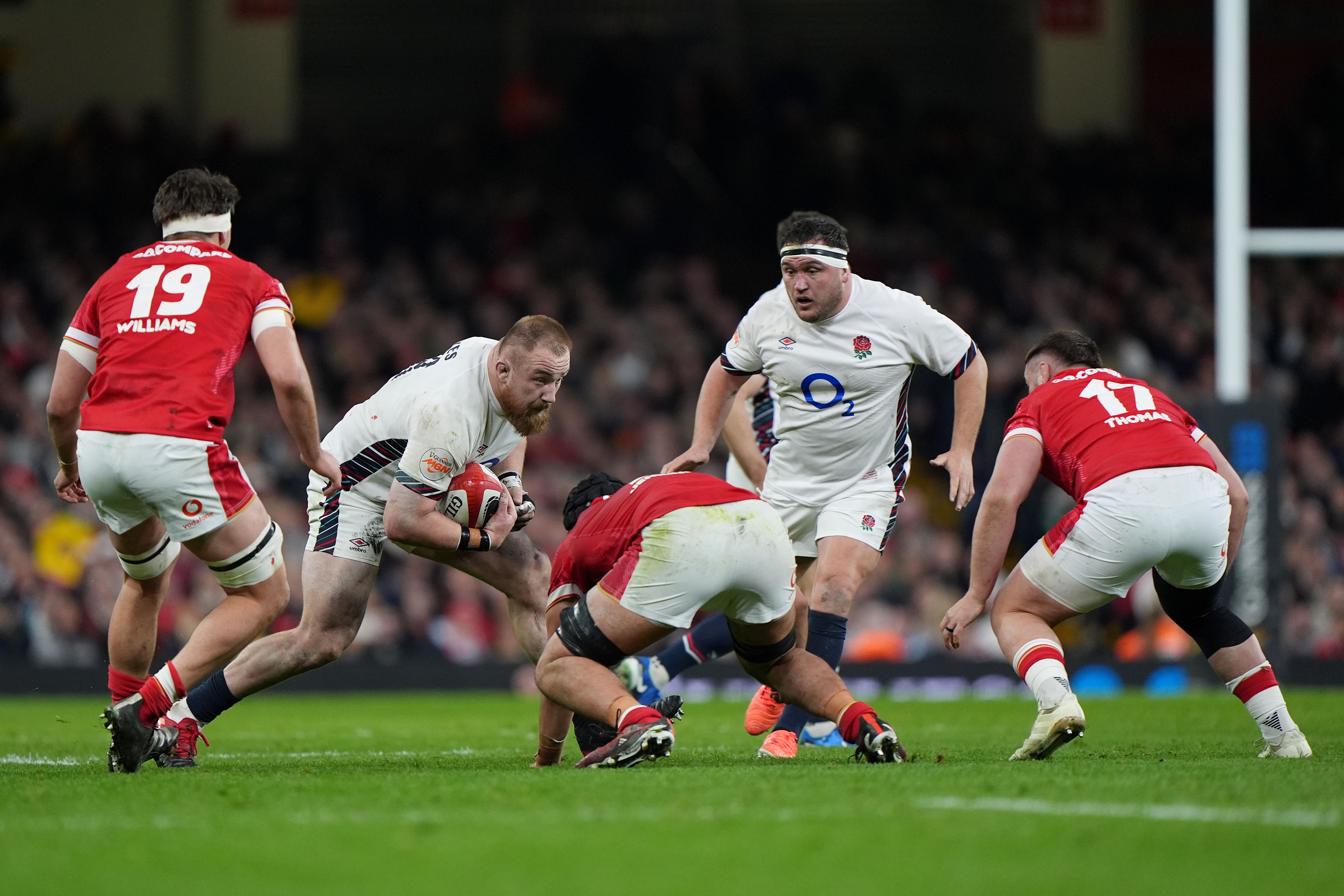
To hear their head coach speak so openly about his ambitions to go to Paris with a grand slam on the line on the final weekend felt like a departure from the mutterings and methods of the past. There is a difficult balance to be found between carrying confidence and approaching arrogance – one that England sides in the past have failed to find – but there are signs of a new identity starting to show. The favourites tag appears to sit more easily on their shoulders.
It is, in some ways, an ideal start to the tournament for Borthwick and his side. There have been plenty of times in the recent past where a Welsh side of fine vintage have come to Twickenham as England’s equal.
Due in part to climactic conditions which must be termed far from ideal, this is not that sort of crop. One does not doubt that there is plenty of talent within Steve Tandy’s side, but few would claim that they are being set up for success by a domestic structure again in turmoil.
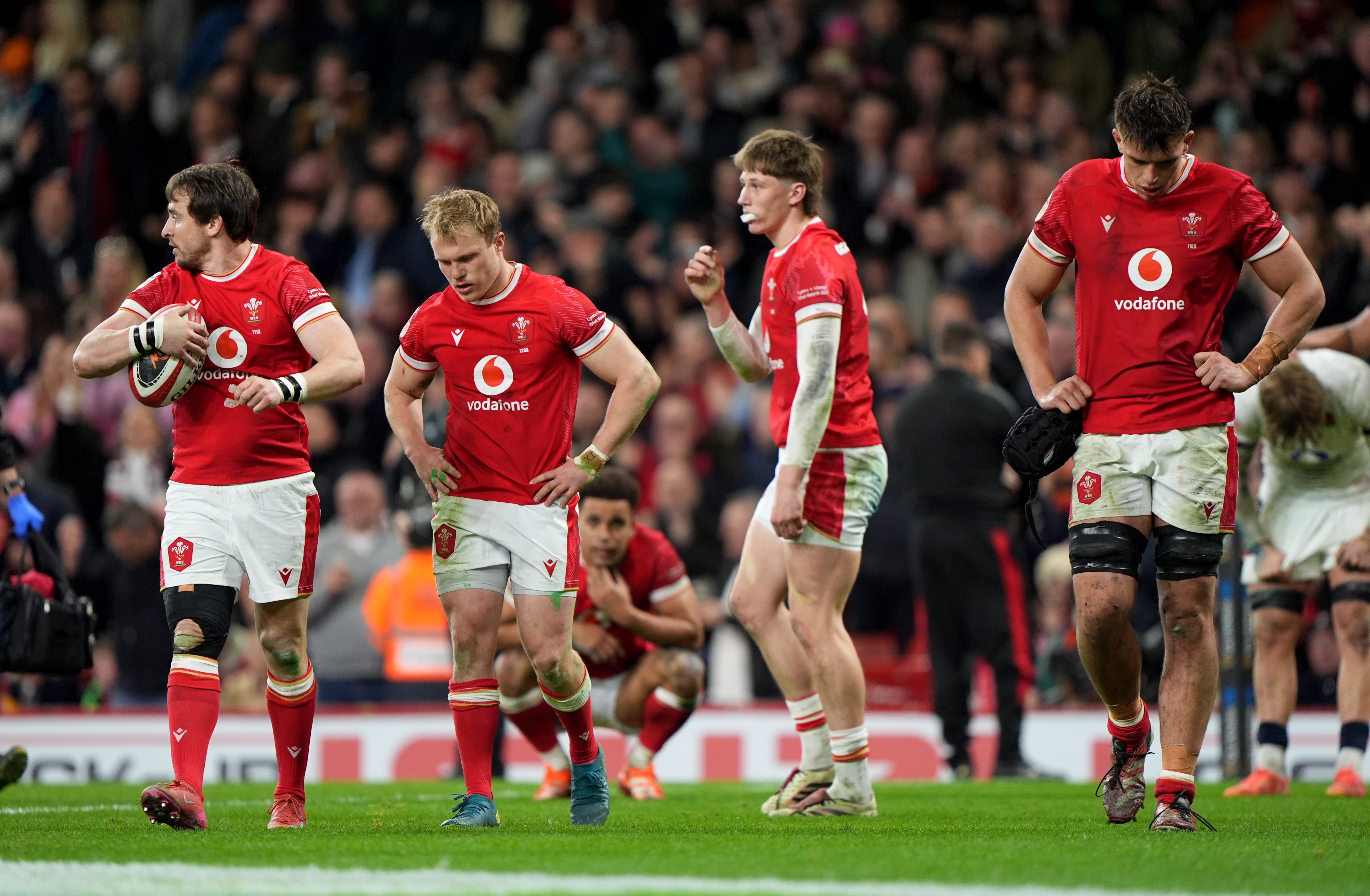
When your captain is describing the Six Nations as a “welcome distraction” from the uncertainty over the Ospreys, you know you are in a bad place. Skipper Dewi Lake and Tandy himself have both sought to underline their belief that the squad can block out the noise and focus on the rugby, perhaps channelling some of the long-festering frustrations. In some ways, this game against England almost feels like a free swing, although the damage done by last year’s drubbing was significant.
“Internally, the boys believe in what we are trying to do,” Tandy said. “Outside, why would people give us a chance? But it isn't about the outside noise.
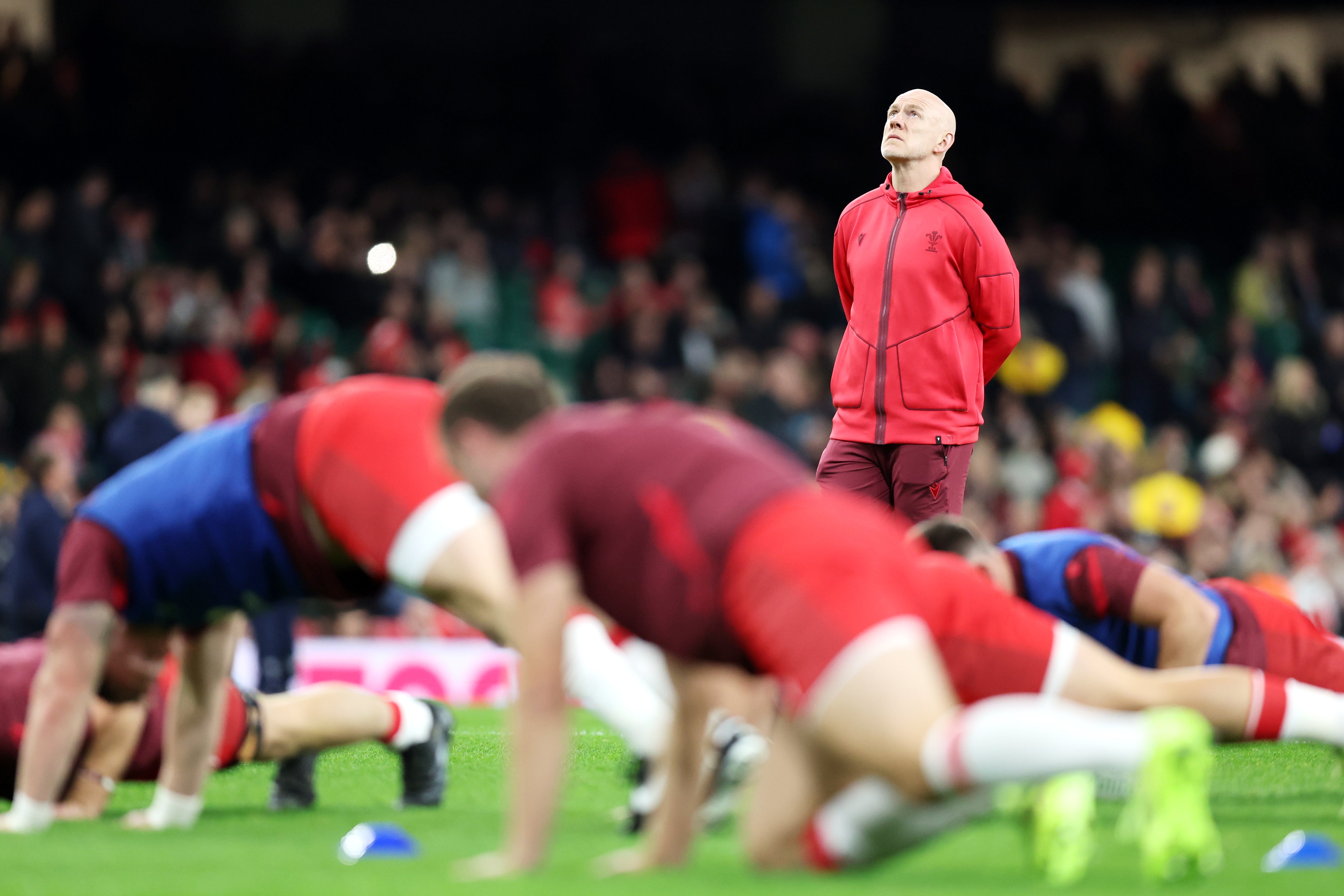
"It's about how we become better. What do we want to be? The only thing we can control is how we prepare and train to be better than the autumn. This is an exciting challenge. I know people will write us off but when we look at ourselves in the mirror afterwards, were we better than the autumn?”
Wales will have to box much more cleverly than they managed the last time these two met. This fixture at Twickenham had tended to deliver some of the Six Nations’ worst games over the last decade or so, error-strewn encounters not helped by the niggle that comes naturally. A kick-heavy contest is likely, with Borthwick predicting that Wales may go to the boot somewhere near 50 times and Tandy picking his two solid aerial operators, Josh Adams and Ellis Mee, on the wings.
Wales may also feel that they can get an English scrum shorn of three of its top five props, but they cannot afford to play too laterally with ball in hand against a defence that suffocated Australia and New Zealand in November.
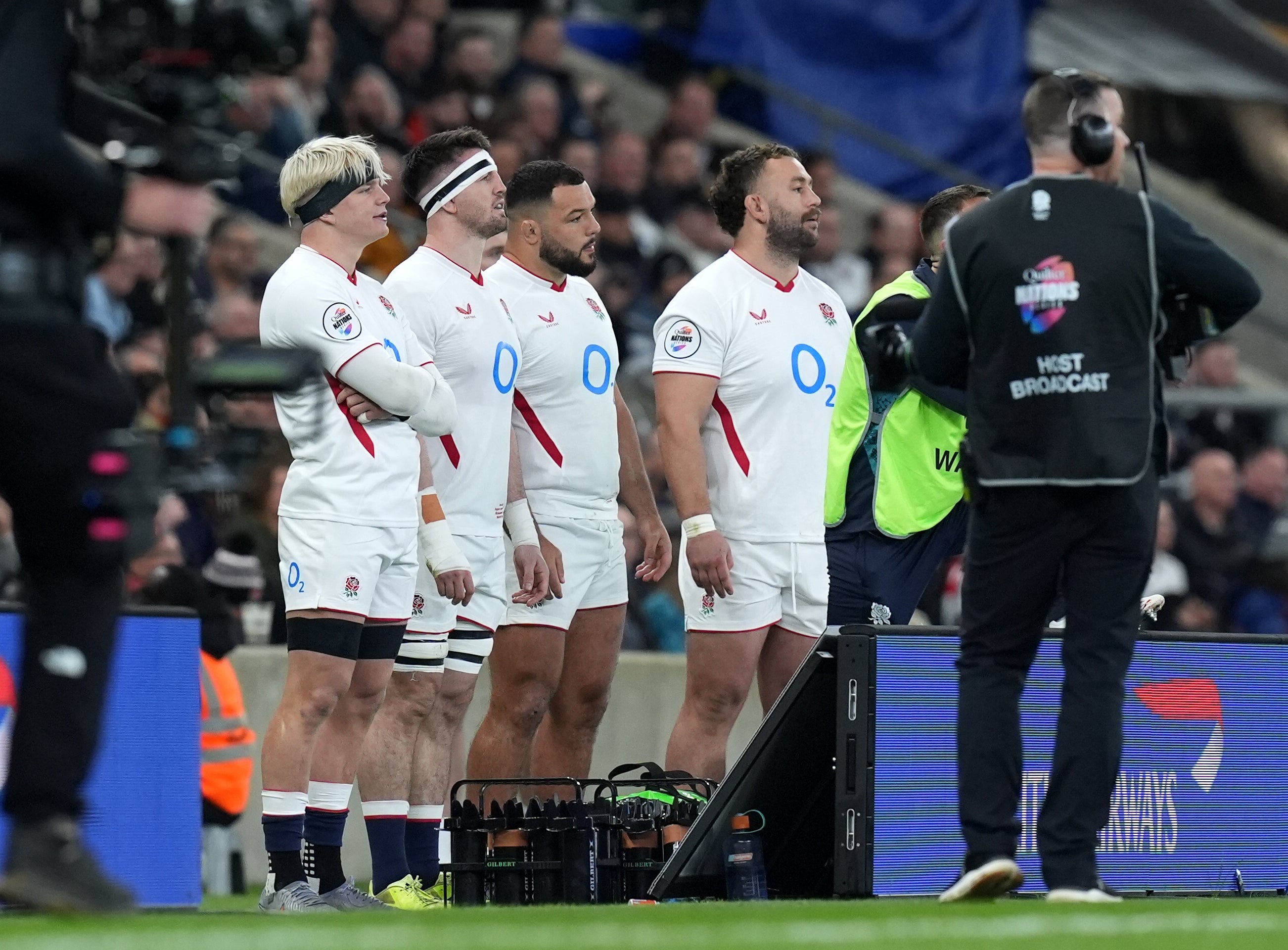
Can Wales stay in the fight and then dodge England’s knockout blow from a bench containing five Lions? It feels a tough ask, particularly with that unit only strengthened by the inclusion of Itoje. The lock, set to win his 100th cap in two weeks’ time, has played every minute of the last six Six Nations campaigns but arrived late into camp after attending his mother’s funeral in Nigeria.
“I’m sure he’s going to have an incredible impact off the bench, and I’m sure that the crowd at Allianz Stadium will give him the roar he deserves,” Borthwick said. It could be an English roar that rumbles right through the campaign.
How the TikTok generation are driving England forward
Settled squad reveals the truth about England’s Six Nations chances
The minor Six Nations change that could have a major impact on this year’s champions
Steve Borthwick expects ‘big roar’ when Maro Itoje steps off England bench