
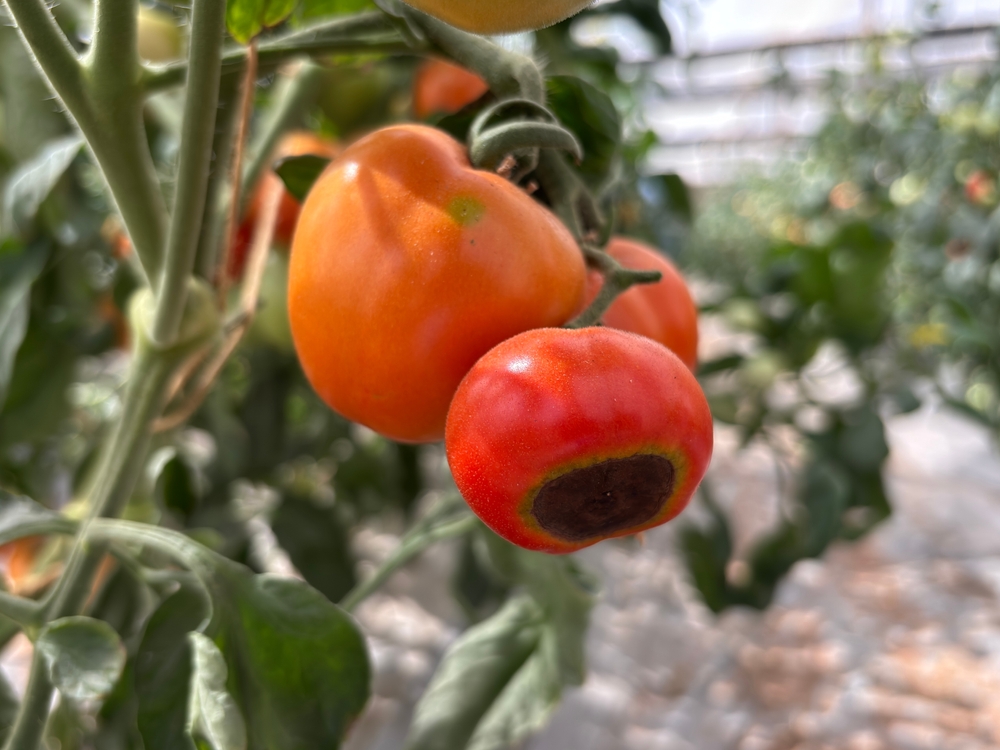
A tomato plant can look like the picture of garden success for weeks, then suddenly produce fruit with a dark, sunken patch on the bottom. Blossom-end rot often feels like a surprise attack, but this common garden problem follows a pattern that gardeners can spot and fix.
Blossom-end rot does not mean the plant has failed or the harvest has disappeared. A few changes in watering habits, soil care, and plant maintenance can help protect new fruit and keep the garden season moving in the right direction.
Blossom-End Rot Starts With a Water Problem, Not a Disease
Blossom-end rot happens when developing fruit cannot move enough calcium into its cells during growth. The issue usually comes from inconsistent moisture levels that interrupt the plant’s ability to transport nutrients. A tomato plant may have healthy green leaves and strong stems while the fruit quietly develops a weak spot underneath. The plant does not fight a fungus or bacteria in this situation, so spraying a fungicide will not solve the problem.
Gardeners often notice blossom-end rot after a stretch of hot weather, a missed watering, or a sudden heavy rain. Those moisture swings stress the plant’s internal plumbing system, which moves water and nutrients from the roots to the fruit. Calcium might exist in the soil, but dry roots cannot grab it effectively and send it where the fruit needs it most. The key lesson involves consistency because plants prefer steady care over dramatic rescue missions.
Healthy Plants Can Still Produce Damaged Fruit
Many gardeners feel confused when blossom-end rot appears on a plant that looks fantastic above the soil line. Lush foliage and bright flowers create the impression that everything works perfectly, but fruit development follows its own rules. A tomato plant can grow tall, produce flowers, and set fruit while moisture problems quietly affect those tomatoes. The first affected tomatoes often reveal the issue before leaves show any signs of trouble.
The damage usually appears as a dark, leathery patch on the blossom end, which sits opposite the stem. That spot can expand as the tomato grows, turning a promising harvest into a disappointing kitchen experiment.
Removing damaged fruit helps the plant focus energy on healthier fruit, but the real solution requires fixing the conditions that created the problem. Gardeners should avoid blaming the plant because it simply reacts to the environment around its roots.
Simple Watering Habits Make a Huge Difference
Consistent watering ranks among the best ways to reduce blossom-end rot problems in a vegetable garden. Deep watering encourages strong roots, while shallow daily sprinkles often leave plants struggling during hot afternoons. A layer of mulch around tomato plants helps slow evaporation and keeps soil moisture more stable. Organic options such as shredded leaves, straw, or compost can create a more comfortable root zone.
Gardeners should check soil moisture a few inches below the surface instead of relying only on the appearance of dry soil. A drip irrigation system or a careful hand-watering routine can deliver water directly where roots need it.
The goal does not involve keeping soil soggy because waterlogged roots create their own problems. Plants need a steady supply of moisture, not a backyard swimming pool around their feet.
Soil Preparation Helps Prevent Future Problems
Good soil preparation gives tomato plants a better foundation before fruit begins forming. Adding compost before planting improves soil structure and helps the ground hold moisture more evenly. A soil test can reveal whether the garden lacks calcium or whether another nutrient issue affects plant growth. Gardeners often reach for calcium too quickly, but many blossom-end rot problems come from watering habits rather than a true calcium shortage.
Crushed eggshells rarely provide a quick fix because they break down slowly in garden soil. Adding random amounts of lime or calcium products without testing can create new nutrient imbalances. Healthy soil management focuses on balance, patience, and careful observation. A garden often tells its story through plant behavior, and blossom-end rot provides a valuable clue about what happens below ground.
The Tomato Lesson That Saves Future Harvests
Blossom-end rot looks dramatic, but it offers gardeners a useful reminder about how plants respond to their surroundings. The first damaged tomato can become a signal to check watering routines, soil conditions, and root health. A quick inspection often reveals simple changes that improve the rest of the season. Small adjustments can protect future fruit without turning the garden into a chemistry project.
The best prevention strategy starts before problems appear with consistent watering, healthy soil, and thoughtful plant care. Gardeners who pay attention to patterns often catch trouble early and avoid repeating the same frustration next year. A few imperfect tomatoes do not ruin a garden because every growing season teaches something new. The next harvest can benefit from the lessons hidden inside that first spotted tomato.
What garden trick has helped you prevent blossom-end rot, or what tomato-growing challenge are you still trying to solve? Give us your experience in the comments.
You May Also Like…
What Should You Do When Tomato Leaves Curl but Stay Green?
Why Your Tomatoes Look Healthy But Produce Almost No Fruit
Can Tabletop Tomatoes Produce Enough Fruit to Be Worth the Space?
Why Grass Clippings Can Carry Herbicide Into Vegetable Beds
The Pest That’s Wiping Out Backyard Tomatoes in Georgia — And How to Stop It Cheaply
The post Why Is Blossom-End Rot Appearing After Weeks of Healthy Growth? appeared first on Frugal Gardening.