
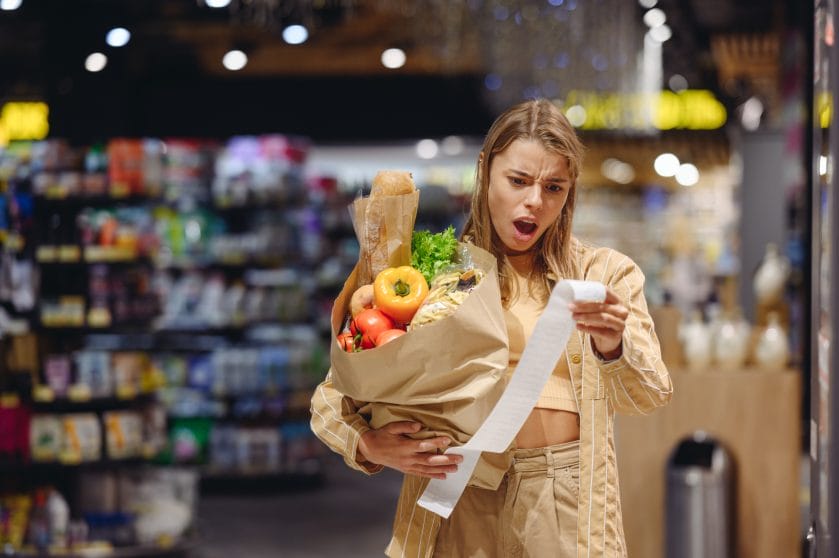
You look at your grocery receipt and sigh. A simple bag of food costs significantly more today than it did in 2019. The latest economic data confirms your frustration. Prices for food at home are up roughly 29.4% since early 2020. Many shoppers wonder why prices have not dropped to normal levels. The pandemic is over, but the high costs remain. The answer involves a complex mix of wages, weather, and logistics. Here is exactly why groceries are still 30 percent more expensive than before the pandemic.
1. The Rising Cost of Retail Labor
Supermarkets rely on a massive human workforce to stock shelves and run registers. During the pandemic, the demand for these workers skyrocketed. To retain staff, grocery chains had to raise their hourly wages significantly. Data shows that wages for retail grocery workers increased by roughly 15% more than the overall national workforce. These permanent wage increases represent a huge operating cost for the store. Retailers pass those labor costs directly onto you through higher shelf prices.
2. Expensive Freight and Energy
Moving food across the country requires massive amounts of energy. The cost of diesel fuel remains higher than it was in 2019. Refrigerated trucks cost a fortune to operate. Furthermore, supermarkets run large cold storage facilities that consume huge amounts of electricity. Commercial energy rates have climbed steadily over the past few years. When the cost to transport and freeze a bag of peas increases, the retail price of that bag must rise to cover the overhead.
3. Severe Weather Disruptions
The global climate has not been kind to the agricultural sector. Over the past 4 years, severe weather events have devastated major crops. Droughts in the western states forced ranchers to shrink their cattle herds. Freezes in southern states damaged delicate citrus crops. Heat waves overseas ruined olive and coffee harvests. When severe weather destroys the raw supply, the remaining food becomes a hot commodity. Scarcity always drives prices higher.
4. Supply Chain Shocks and Tariffs

The pandemic exposed how fragile our global supply chain truly is. When factories shut down and ports backed up, the cost of importing food surged. The United States imports a massive amount of fresh produce, seafood, and coffee. Additionally, various tariffs on imported goods force domestic companies to pay a premium at the border. These international disruptions and trade policies add a silent tax to the final price of your favorite imported snacks.
5. The Reality of the New Normal
The most difficult truth to accept is that prices rarely go backward. Deflation is incredibly rare in the modern economy. While the rapid pace of inflation has finally slowed down, the current high prices are the new permanent baseline. A box of cereal that jumped from $3 to $5 is not going back to $3. The operating costs for the manufacturers and the retailers are permanently elevated. We are dealing with a structural adjustment, not a temporary spike.
Prices Aren’t Going Back
Waiting for grocery prices to return to 2019 levels is a waste of energy. The combination of higher wages, expensive freight, and severe weather has permanently altered the math of the supermarket. Your only defense is to adapt your shopping strategy. You must clip digital coupons, track local sales, and pivot toward cheaper generic brands to survive the new financial reality.
What groceries are you seeing rise in price this year? Share your experience below.
What To Read Next
8 Ways Grocery Stores Design Aisles to Push Shoppers Toward Expensive Items
Why Some Groceries Are More Expensive on Delivery Than In-Store
10 Grocery Items That Are Only Expensive Because of Marketing
The Spice Called Red Gold: Why Saffron Is So Expensive?
9 Store Strategies That Push Shoppers Toward Expensive Items
The post Why Groceries Are Still 30% More Expensive Than Before the Pandemic appeared first on Grocery Coupon Guide.