- GPS jamming and spoofing have significantly increased across the Middle East since the US and Israel struck Iran on 28 February, initiating an "electronic warfare arms race" between the involved parties.
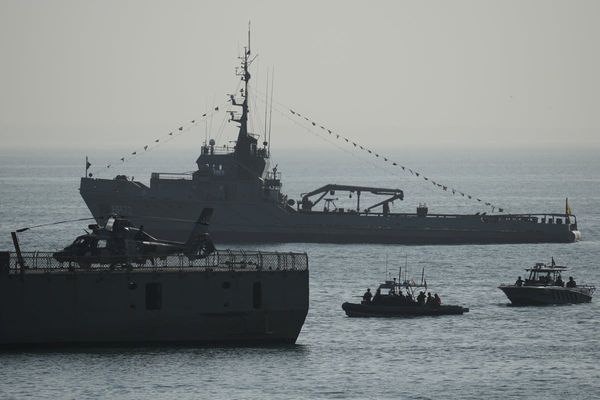
- This widespread GPS interference, which includes jamming (overwhelming signals) and spoofing (transmitting fake signals), is impacting both military operations and commercial activities, particularly shipping in critical waterways like the Strait of Hormuz, thereby strengthening Iran's strategic control.
- The disruption poses severe risks, as demonstrated by incidents such as the container ship MSC Antonia running aground after its crew received false location data, leading to millions in damages and prolonged salvage operations.
- Military and intelligence experts, including Philip Ingram and Alex Lungu, confirm that all sides are employing these tactics for both offensive and defensive purposes, such as confusing adversary drones, with Iran noted for its "prolific" use of spoofing and potential acquisition of advanced Chinese satellite navigation technology.
- The ongoing electronic warfare creates significant safety and economic challenges for commercial shipping and aviation, necessitating that mariners use multiple navigation sources and cross-check data to mitigate the risks of unreliable GPS information in a conflict that is continually driving technological innovation.
IN FULL