
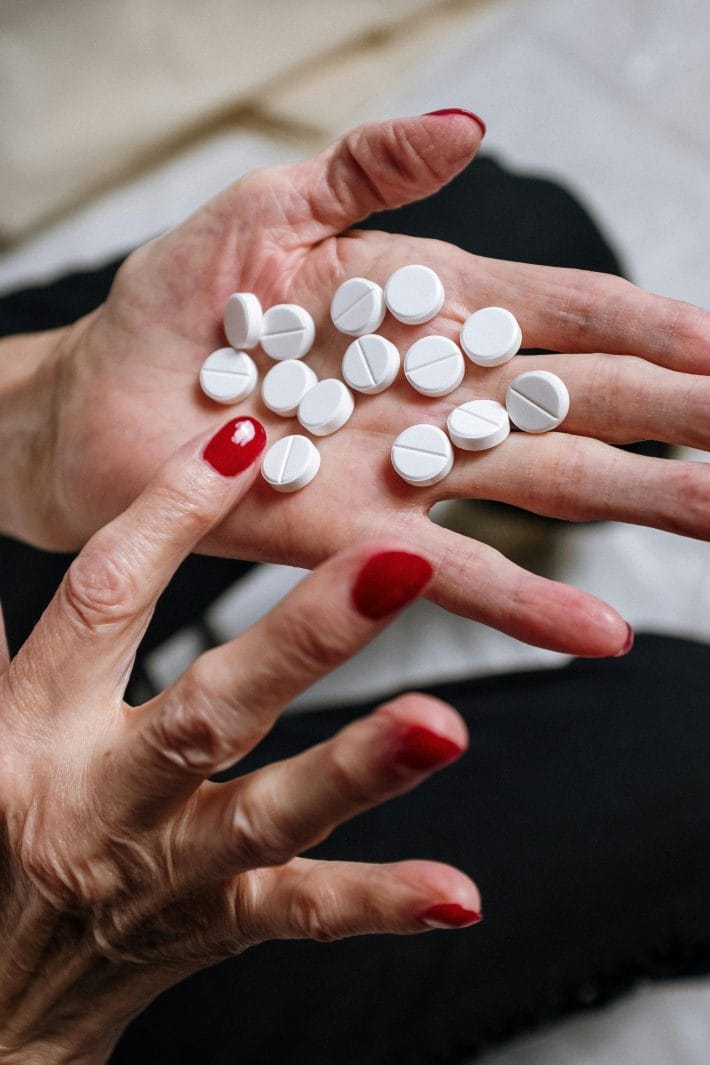
Most people assume prescription medications only interact with other drugs, but many everyday foods can also create serious health risks. A simple breakfast choice or healthy snack may unexpectedly change how a medication works inside the body. In some cases, food can weaken a drug so it stops working properly, while other foods can dangerously increase medication levels and trigger severe side effects. Older adults are especially vulnerable because many seniors take multiple prescriptions daily for blood pressure, cholesterol, diabetes, or heart conditions. Here are seven everyday foods that can have dangerous interactions with your medications.
1. Grapefruit Is the Most Famous — and Most Dangerous — Interaction
Grapefruit is one of the best-known examples of serious food and drug interactions, and for good reason. The fruit contains compounds that interfere with enzymes responsible for breaking down certain medications in the body. According to the U.S. Food and Drug Administration, grapefruit can cause dangerously high levels of medications like statins, blood pressure drugs, and some anxiety medications to remain in the bloodstream. Even one glass of grapefruit juice may increase the risk of side effects such as muscle damage, kidney problems, dizziness, or irregular heartbeat. Many people mistakenly believe spacing out grapefruit and medications by a few hours is enough, but the interaction can last much longer than expected.
2. Leafy Greens Can Disrupt Blood Thinners
Healthy foods are not always harmless when prescriptions are involved. Leafy green vegetables like spinach, kale, and broccoli contain high amounts of vitamin K, which can interfere with blood-thinning medications such as warfarin. Doctors do not usually tell patients to completely avoid greens, but they strongly encourage consistency in how much vitamin K people consume weekly. Sudden increases or decreases in these vegetables can throw off blood clotting levels and make medications less effective or dangerously strong. This issue becomes especially important for seniors who recently switched to healthier diets without realizing the changes could affect their prescriptions.
3. Dairy Products Can Weaken Certain Antibiotics
Milk, yogurt, cheese, and calcium-fortified foods can reduce how well some antibiotics work. Calcium binds to certain medications in the digestive system, preventing the body from fully absorbing the drug. Health experts warn that antibiotics like tetracycline and ciprofloxacin are especially sensitive to dairy interactions. Someone taking antibiotics for pneumonia or a urinary tract infection may unknowingly reduce the medication’s effectiveness simply by eating cereal with milk at breakfast. Pharmacists often recommend separating dairy products and certain antibiotics by several hours to avoid treatment problems.
4. Black Licorice Can Create Heart Risks
Black licorice may seem like an old-fashioned candy, but it contains a compound called glycyrrhizin that can seriously affect the body. Large amounts may lower potassium levels, raise blood pressure, and disrupt heart rhythms. The FDA has warned that older adults who eat significant amounts of black licorice could experience dangerous complications, especially if they already take heart medications or diuretics. People with existing cardiovascular issues face even greater risks because the candy can intensify medication side effects unexpectedly. Many consumers never realize that something sold in the candy aisle can behave almost like a drug inside the body.
5. Alcohol Can Intensify Medication Side Effects
Alcohol is technically a beverage rather than a food, but it remains one of the most dangerous medication interaction triggers. Mixing alcohol with sleeping pills, antidepressants, painkillers, or anxiety medications can dramatically increase drowsiness, confusion, and fall risk. Some antibiotics and diabetes medications may also cause severe nausea or dangerous blood sugar changes when combined with alcohol. Older adults are especially susceptible because aging changes how the body processes both alcohol and prescription drugs. Even moderate drinking can become risky depending on the medication involved.
6. Bananas and Avocados Can Affect Heart Medications
Foods high in potassium are usually considered healthy, but they can become problematic for people taking certain blood pressure or heart medications. ACE inhibitors and potassium-sparing diuretics already raise potassium levels in the body, and excessive potassium intake may trigger dangerous heart rhythm abnormalities. Bananas, avocados, oranges, and potatoes are some of the most common high-potassium foods doctors monitor carefully. Someone trying to improve heart health by eating more potassium-rich foods could accidentally create a serious imbalance while taking medication. This is one reason doctors often recommend routine blood testing for patients on heart medications.
7. High-Sodium Foods Can Undermine Blood Pressure Drugs
Salty foods can quietly sabotage medications designed to lower blood pressure or manage heart failure. Soy sauce, canned soups, frozen dinners, and processed snacks often contain massive amounts of sodium that force the body to retain extra fluid. This added fluid increases blood pressure and makes medications work harder than intended. Many seniors do not realize how quickly sodium adds up because some products marketed as “healthy” still contain surprisingly high amounts. Even people who avoid adding table salt may still consume excessive sodium through packaged foods every day.
Paying Attention to Food and Drug Interactions Could Save Your Life
Food and drug interactions are more common than many people realize, especially among older adults taking multiple prescriptions. Something as simple as grapefruit juice, spinach salad, or a calcium supplement may completely change how a medication behaves inside the body. Doctors and pharmacists strongly recommend reviewing all prescriptions, supplements, and dietary habits together rather than treating them as separate issues. Patients should never stop eating healthy foods without guidance, but they should absolutely ask healthcare providers whether specific foods could interfere with medications. A quick conversation with a pharmacist today could prevent a dangerous medical emergency tomorrow.
Have you ever discovered a food that unexpectedly interfered with a medication you were taking? Share your experience in the comments below.
What to Read Next
The 2026 Pharmacy Shift: Why Some Medications Now Require a Different Pickup Location
7 Common Medications That Can Backfire When Taken With Your Morning Coffee, Pharmacists Say
5 Medications Still Prescribed to Seniors—Despite Dangerous Side Effects