
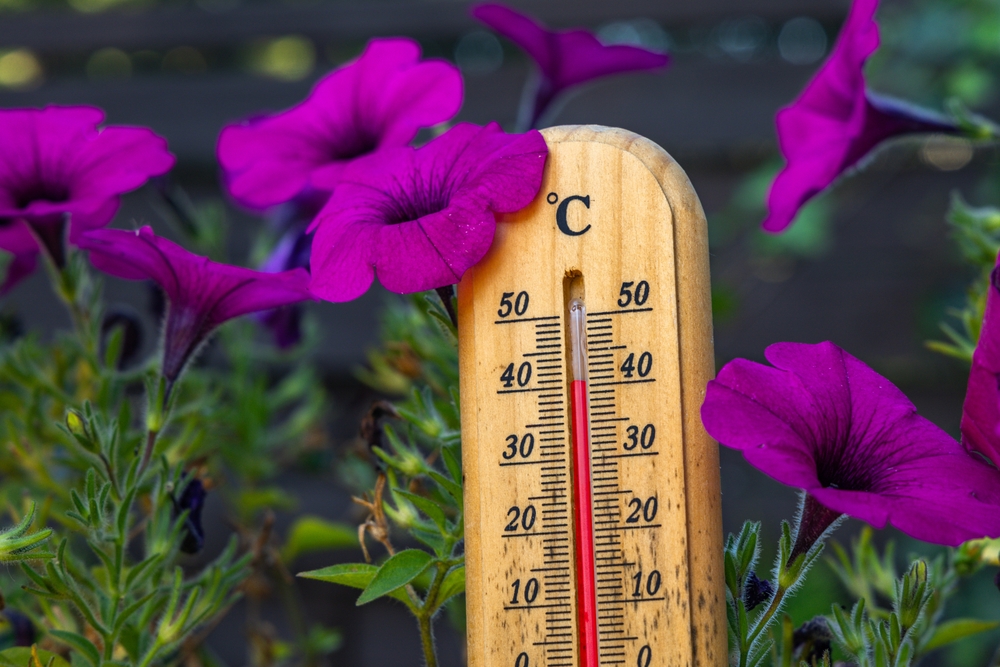
Summer gardens once followed a fairly predictable rhythm across much of America, but rising temperatures continue to rewrite the playbook. Long stretches of extreme heat now arrive earlier in the season, stay longer, and place enormous stress on flowers, vegetables, lawns, and soil. Gardeners who ignore those shifts often end up with wilted tomatoes, crispy hydrangeas, and water bills that feel downright offensive. Plants that thrived a decade ago may suddenly struggle in the exact same spot today.
Garden centers already see the effects every summer. Shoppers rush in searching for rescue solutions after scorching afternoons leave leaves drooping like wet paper towels. Some plants recover overnight, but repeated heat stress weakens them permanently and invites pests to move in for the feast. Smart gardeners stay ahead of the damage instead of reacting after disaster strikes. A few strategic adjustments can keep landscapes productive and colorful even during brutal stretches of heat.
Watering Habits Need a Serious Upgrade
A quick evening sprinkle no longer cuts it during periods of extreme heat. Shallow watering encourages weak roots that sit close to the surface, exactly where temperatures climb the fastest. Deep watering trains roots to grow downward where moisture stays cooler and more stable. Gardens that receive slow, thorough watering several times a week usually outperform gardens that get rushed daily sprinkles.
Morning watering now matters more than ever. Early watering gives plants time to absorb moisture before the sun starts hammering leaves and soil by midday. Watering late at night may sound convenient, but soggy foliage overnight encourages fungal diseases and mildew problems. Gardeners who water between sunrise and mid-morning often notice healthier plants and less wasted water during peak summer heat.
Mulch also becomes a garden superhero once temperatures rise. A thick layer of mulch keeps soil cooler, reduces evaporation, and helps prevent weeds from stealing precious moisture. Organic mulch like shredded bark, straw, or compost breaks down slowly and improves soil structure over time. Without mulch, exposed soil can heat up enough to stress roots even when plenty of water exists below the surface.
Some Plants Simply Handle Heat Better Than Others
Traditional favorites still look beautiful, but many struggle once temperatures push past ninety degrees for days at a time. Heat-tolerant plants now earn prime real estate in smart American gardens because they continue producing flowers or vegetables despite stressful conditions. Zinnias, lantana, salvia, okra, peppers, and black-eyed Susans often power through heat while fussier plants wave the white flag. Choosing resilient varieties saves time, money, and frustration throughout the summer.
Vegetable gardeners especially need to rethink crop timing and selection. Lettuce, spinach, and peas bolt quickly during heat waves, turning bitter almost overnight. Meanwhile, sweet potatoes, eggplant, and southern peas absolutely love blazing temperatures and grow like they own the place. Gardeners who stagger planting schedules often extend harvests while avoiding the worst stress periods for sensitive crops.
Native plants also deserve more attention as temperatures rise. Species adapted to local climates generally require less water and bounce back faster after hot spells. Pollinators benefit too because native flowers provide familiar food sources even during difficult weather conditions. A garden filled with regionally appropriate plants usually looks healthier and demands far less maintenance during scorching summers.
Shade and Soil Health Suddenly Become Critical
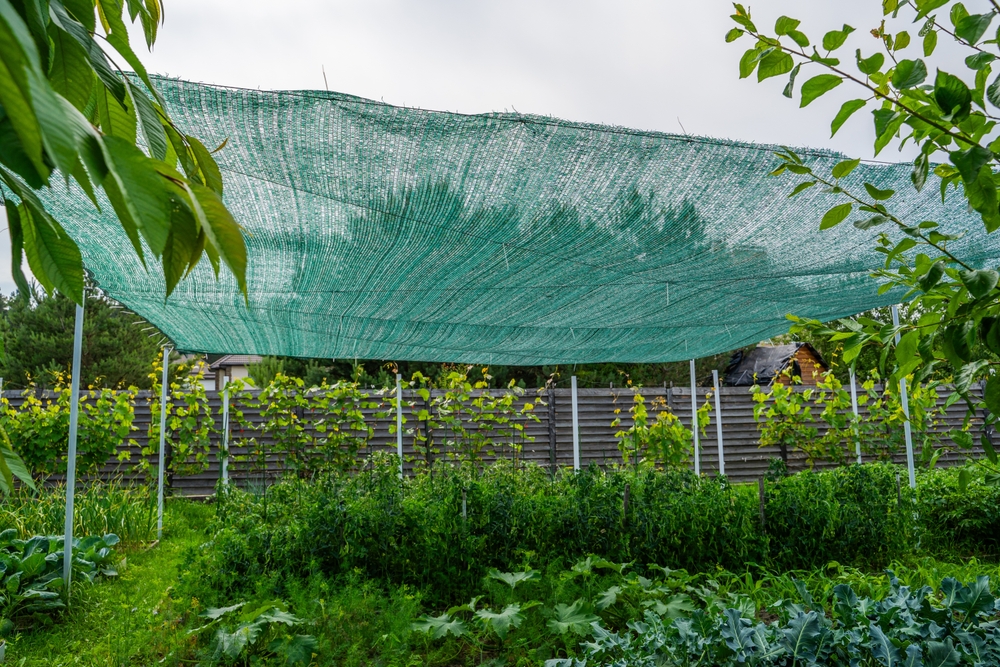
Afternoon shade now acts like air conditioning for many gardens. Delicate plants that once tolerated full sun may now need protection during the hottest part of the day. Shade cloth, patio umbrellas, or strategically placed taller plants can reduce stress without blocking all sunlight. Even a few hours of relief during peak heat can prevent burned leaves and blossom drop.
Healthy soil works like a hidden cooling system beneath the surface. Rich soil filled with compost holds moisture longer and supports stronger root systems during extreme weather. Poor, compacted soil dries out rapidly and turns almost brick-like under relentless sun. Gardeners who feed their soil regularly often notice healthier plants even during difficult summers.
Raised beds need special attention because they heat up faster than in-ground gardens. Containers and raised planters may require watering twice a day during severe heat waves, especially in southern states. Dark-colored pots become particularly brutal because they absorb and hold extra heat around plant roots. Switching to lighter containers or adding mulch around pots can help reduce temperature stress significantly.
Heat Stress Opens the Door for Garden Problems
Hot weather weakens plants and creates the perfect conditions for pests to explode across the garden. Spider mites thrive during dry heat and quickly attack tomatoes, beans, roses, and cucumbers. Aphids also multiply rapidly once plants become stressed and vulnerable. Gardeners who inspect leaves regularly can catch infestations early before entire plants suffer major damage.
Extreme heat also increases the risk of blossom drop and poor fruit production. Tomatoes may flower beautifully but refuse to set fruit once temperatures stay too high overnight. Peppers sometimes stop growing entirely until cooler weather returns. Many gardeners panic and over-fertilize during these slowdowns, but excessive fertilizer often creates even more stress. Patience and proper watering usually solve the problem more effectively than dumping extra products into the soil.
Lawns struggle too, especially when homeowners mow too short during summer heat. Short grass exposes soil directly to sunlight and causes roots to dry out faster. Keeping grass slightly taller helps shade the soil and improves drought resistance naturally. Sharp mower blades also reduce stress because ragged cuts leave lawns vulnerable to disease and dehydration during extreme temperatures.
The Backyard Garden Needs a New Summer Strategy
Gardening during hotter weather no longer rewards stubborn habits or outdated routines. Successful gardeners now pay closer attention to soil moisture, plant selection, shade management, and timing throughout the growing season. Small changes often create dramatic improvements once temperatures start climbing. A flexible approach keeps gardens productive while reducing frustration and wasted effort.
What changes have worked best in your garden during extreme summer heat? Share your favorite heat-fighting gardening tricks and hard-earned lessons in the comments below.
You May Also Like…
8 Heat-Resistant Choices That Thrive in High Temperatures
6 Heat-Resistant Options That Hold Up as Temperatures Climb
7 Cool-Night Tolerant Picks That Handle Temperature Drops
Is Your Garden Prepared for Rapid Temperature Swings?
9 Winter Plants That Actually Thrive in Freezing Temperatures
The post Why Garden Care Needs to Adjust as Temperatures Rise appeared first on Frugal Gardening.