For decades, Greenland, an Arctic island home to just 56,000 people, most of them Inuit, was mostly ignored by the rest of the world. But today, US President Donald Trump has once again made Greenland the focus of international attention, arguing that the mineral-rich island is critical to America's security. But why does Trump want Greenland? The answer to this question lies in its strategic location, military importance, growing geopolitical rivalry and untapped reserves of critical minerals.
ALSO READ: Is Mitch McConnell still alive?
Although Greenland is a self-governing territory of Denmark, Trump's repeated calls for the United States to acquire the island have rattled NATO allies and drawn firm opposition from both Denmark and Greenland's government. They have insisted that only Greenlanders can decide the island's future.
ALSO READ: How California’s solar farms are helping save the endangered San Joaquin kit fox
Why does Trump want Greenland?
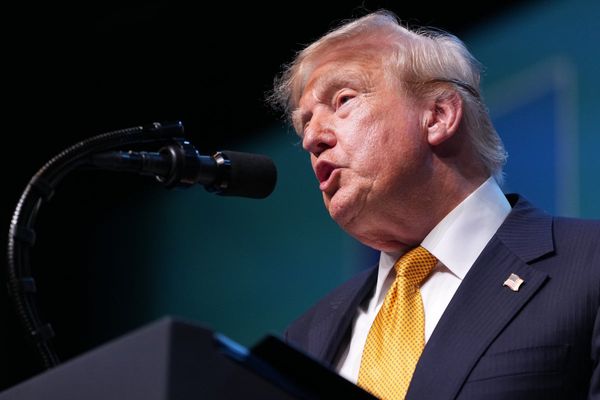
According to Trump, Greenland is vital for protecting the United States and its allies as the Arctic becomes an increasingly contested region.
Speaking during a NATO summit, he said, "Greenland is very important to the United States, but it's not important to Denmark. We need it for protection of the world, not just the United States."
Earlier this year, Trump also refused to rule out using military force to secure US control of Greenland, saying America needed its "right, title and ownership." He has since said military action is no longer being considered.
According to Trump, growing Russian and Chinese activity in the Arctic makes Greenland a key national security priority for the United States.
Greenland's location gives it enormous strategic value
One of the biggest reasons Greenland attracts global interest is where it sits on the map.
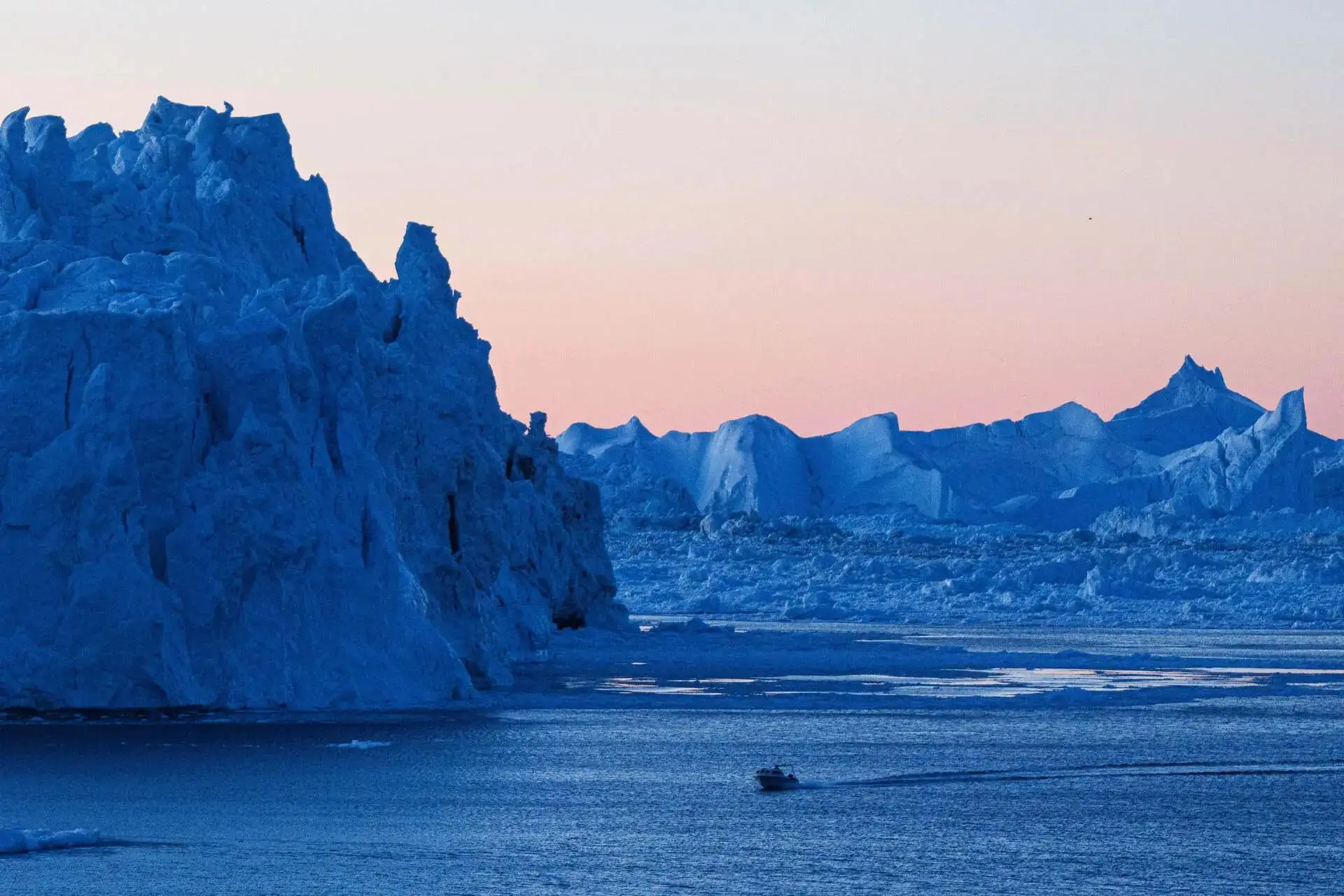
Located between North America and Europe, more than 80% of the island lies above the Arctic Circle. As climate change melts sea ice, new Arctic shipping routes are becoming more accessible, making Greenland increasingly important for global trade and military planning, according to an AP report.
The island also overlooks the GIUK Gap—the Greenland-Iceland-United Kingdom corridor—one of NATO's most important maritime chokepoints used to monitor Russian naval movements in the North Atlantic.
Its location has made Greenland strategically important since World War II, when the United States occupied the island to prevent Nazi Germany from gaining control and to protect vital Atlantic shipping routes.
The US already has a military base in Greenland
The United States already has a major military presence there. The US Department of Defense operates Pituffik Space Base in northwestern Greenland under a defence agreement signed with Denmark in 1951. The installation supports missile warning systems, missile defence and space surveillance operations for both the US and NATO.
Thomas Crosbie, associate professor of military operations at the Royal Danish Defence College, told news agency AP: "The United States will gain no advantage if its flag is flying in Nuuk versus the Greenlandic flag."
He added: "There's no benefits to them because they already enjoy all of the advantages they want."
According to Crosbie, any additional security cooperation the US requires can already be achieved through its alliance with Denmark.
Russia and China have increased their focus on the Arctic
Greenland has become even more valuable as geopolitical competition in the Arctic grows. China declared itself a "near-Arctic state" in 2018 and announced plans for a "Polar Silk Road" to expand trade links across the region.
Russia has also expanded its Arctic military footprint by restoring Soviet-era bases, modernising airfields and increasing military deployments across the polar region. Since the war in Ukraine began in 2022, Arctic security has become an even greater concern for NATO countries.
These developments have strengthened Washington's interest in Greenland as competition over the Arctic continues to intensify.
Greenland's mineral wealth is another major attraction
Greenland is also believed to hold significant reserves of rare earth minerals and other critical resources needed to manufacture smartphones, computers, electric vehicle batteries, wind turbines and advanced defence technologies.
As Western countries try to reduce their dependence on China for these critical minerals, Greenland has emerged as an attractive alternative.
However, developing the island's resources remains difficult because of its harsh Arctic climate, limited infrastructure and strict environmental protections, all of which have slowed mining projects.
Greenland and Denmark reject Trump's proposal
Despite Trump's repeated interest, Greenland's leaders have consistently said the island is not for sale.
Greenland is a self-governing territory within the Kingdom of Denmark, and both governments have stressed that its future will be decided only by the people of Greenland.
Denmark has also expanded military cooperation with the United States, allowing broader access for US forces while making clear that Greenland's sovereignty remains non-negotiable.
(With AP inputs)