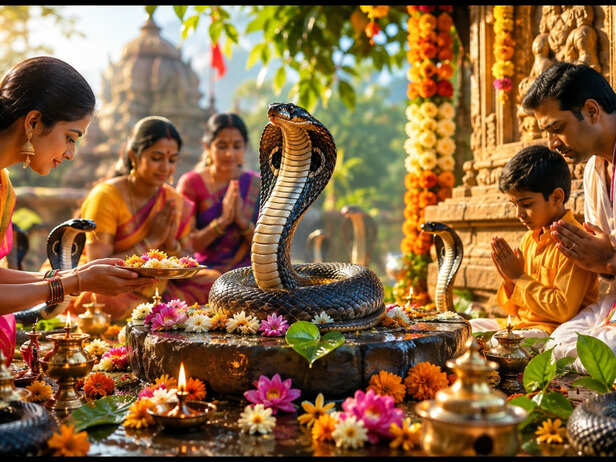
What if a regular day in a farmer’s field turned out to be the start of a tradition that would be kept alive for generations to come?
One of the most famous folklore stories linked to Nag Panchami is that of the farmer, the snake mother, and her daughter who showed so much devotion that she was able to reverse the situation. The farmer was ploughing his field when he unknowingly killed some baby snakes. Angered by the death of her babies, the mother snake attacked the farmer’s family. However, there was one member of the family who was not affected by this tragic event; his daughter who was worshipping Nag Devata on Nag Panchami.
And what happened next?
The Plough That Brought About Everything
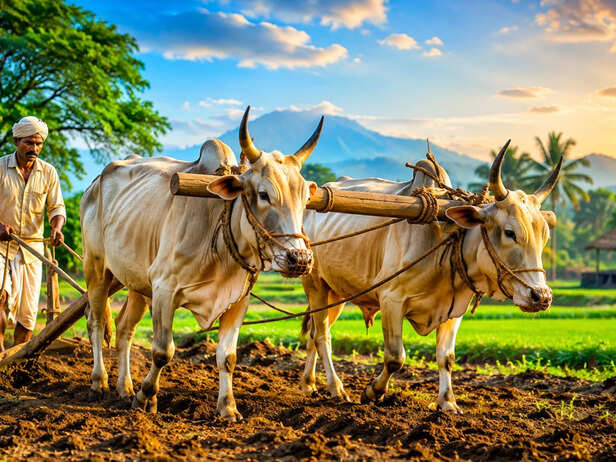
This is a tale that begins with something very simple: a farmer plowing his fields. Unbeknownst to him, he had plowed the place where a family of snakes lived. According to the famous folklore, the plow killed the young snakes in the family. This event marked the beginning of the twist in the story. Why? It was all because of the sorrow and rage felt by the snake mother. Her actions were dictated by her sorrow and rage after the loss of her young ones.
A Mother Serpent Demands Vengeance
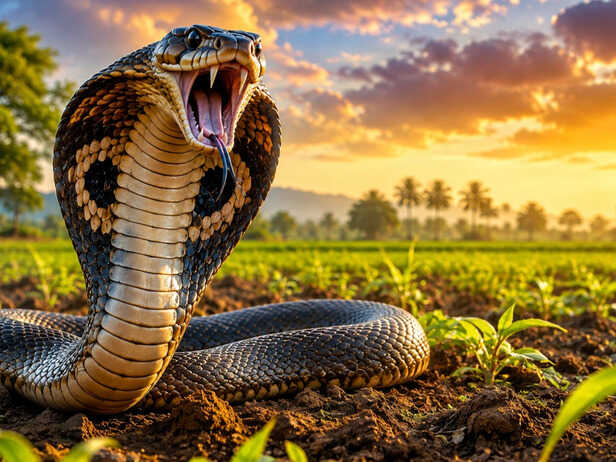
The serpent mother came back and found that all her offspring had perished. Soon after, grief gave way to anger. In the folktale, she took out her vengeance on the farmer and his family, killing them with her venomous bite. This marks a surprising twist in the tale, as the farmer’s family becomes the victim of an incident which started out as an accident. However, this tale doesn’t end with vengeance. There was one person in the family who was yet to play her part. This was the farmer’s daughter, who had gone off for her prayers to Nag Devata.
The Devotion of the Daughter
Though misfortune had hit her family, the daughter of the farmer was performing Nag Panchami with belief. She was worshipping Nag Devata and praying with sincerity. In meeting the serpent and seeing the girl in devotion, as per the legend, the serpent was touched. He gave her an option rather than following the process of revenge and punishment. The daughter requested the lives of her relatives to be restored. It is the turning point of the entire story. The girl’s prayers were not made out of fear but faith and humility.
Forgiveness Changes the Result
It is believed that the mother snake was impressed by the dedication of the daughter. She offered to bring the farmer and other members of the farmer’s family back to life. Thus, the conflict of the drama resolves itself not through revenge, but through forgiveness. That is one of the factors that make the story very moving. The error made by the farmer was a mistake; the snake was enraged due to its losses, and the dedication of the daughter helped to reconcile both. Being a folk story, it embodies an ancient cultural belief.
Why Nag Devata Was Considered Sacred
The narrative is among many other folklore stories associated with the celebration of Nag Panchami and the worshipping of snakes. In most Indian cultures, snakes symbolize nature, fertility, protection, and divine power. In addition, serpents are commonly found in the Indian mythology of both Lord Shiva and Lord Vishnu. It is thus clear that Nag Panchami is associated with meaning much more than just a single folklore story. The festival is also associated with nature and the respect for the living organisms that live in our environment.
The Story's Deeper Meaning
The greatest significance of this story does not lie in its supernatural climax. This story contains an important message within its body. The farmer had no intention to do any kind of evil deed to the young serpents, but the incident led to a circle of misery. On one side, the serpent was filled with anger and on the other side, the daughter was full of dedication and compassion. Forgiveness ultimately broke the chain. Through a symbolic meaning, this story teaches the lesson that people should be very careful in dealing with their surroundings.
Nag Panchami Maintains the Narrative
Some of the strongest stories are those which end with a question.
This farmer-serpent story of Nag Panchami is a perfect example of this. In the story, there is an accident, then there comes sadness and anger and ultimately there comes forgiveness. Devotion of the daughter becomes the link between vengeance and compassion.
In whatever form the story is told, either as a sacred folktale or cultural tradition, the story provides Nag Panchami with a more emotional meaning. The story promotes reverence of nature and makes people realize that the practice of religion isn’t all about religious rituals. It also has compassion, humility, and forgiveness.
Perhaps this is the true essence of this ancient tale’s endurance.
Unlock insightful tips and inspiration on personal growth, productivity, and well-being. Stay motivated and updated with the latest at My Life XP