
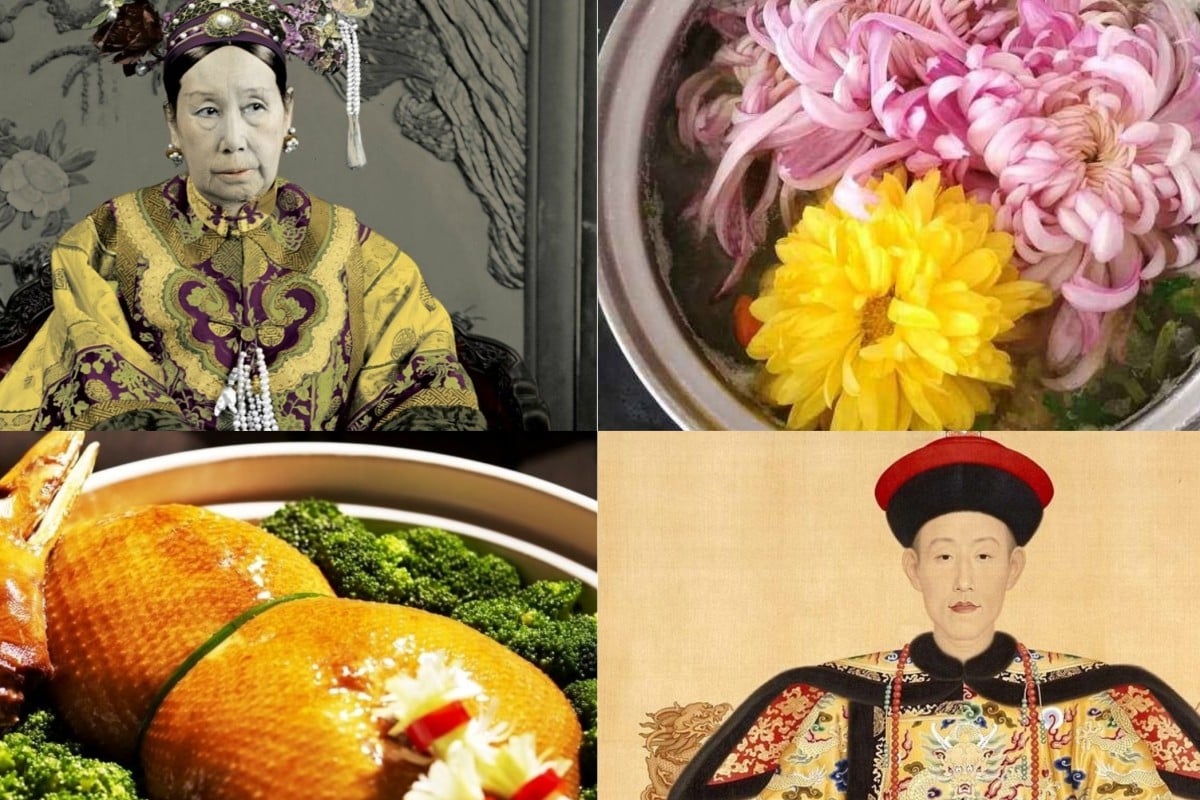
“Food is the god of people,” according to an ancient Chinese proverb, meaning that food comes first – above everything else – for the Chinese.
Examining details of the imperial dishes prepared for generations of the nation’s royal family is definitely one of the ways to understand the history of Chinese cuisine, which stretches across thousands of years.
80 dishes and more: the lavish Lunar New Year’s Eve banquet fit for a Chinese emperor
The emperors always had the money and power to hire the best cooks from across the country and also used only the finest available ingredients for every dish. The imperial dishes that were fit for the emperor were, in fact, the pinnacle of a cuisine at the time.
Check out three famous imperial dishes from different periods during the Qing dynasty (1644-1912) and the stories behind them.
1. Emperor Kangxi and the feted hilsa herring

Since the Ming dynasty (1368-1644), hilsa herring, or shiyu (鰣魚) in Chinese, had been served as tribute to the emperors from the nation’s Jiangsu region .
The legendary Lei family of architects who built China’s world heritage sites
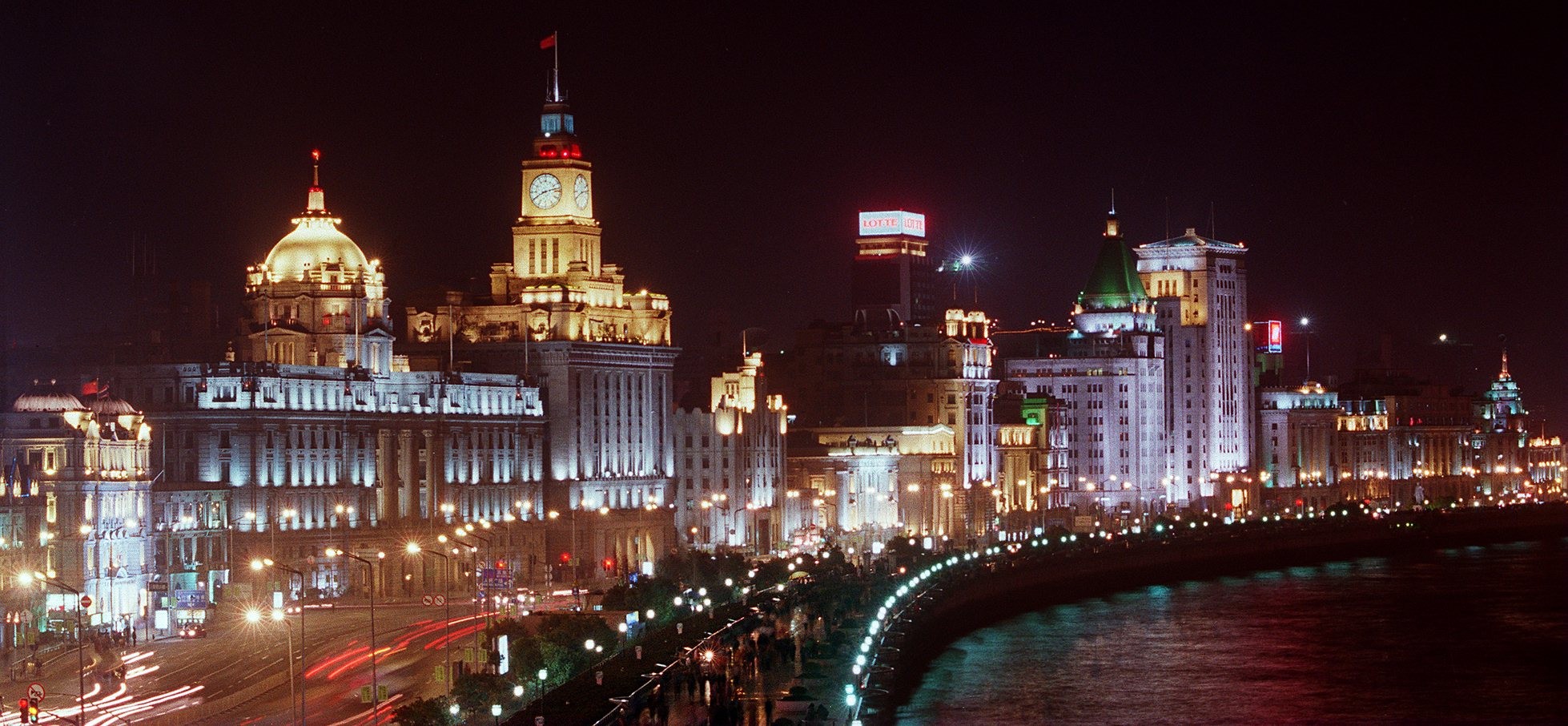
Even today, steamed shiyu – which is also very popular and sought-after across southern Asia, including Bangladesh and Myanmar – remains one of the most famous dishes of Shanghai cuisine.
Shiyu usually appears among the China coast, especially in the estuary areas where the rivers meet the sea.
Shanghai, located next to Jiangsu province, at the mouth of the Yangtze River and along the coast of the East China Sea, was therefore a popular breeding ground for shiyu.
Usually steamed and served with dry-cured ham, Chinese mushrooms and bamboo shoots on top, shiyu was cooked without removing the scales, as they give off a special sweet fatty aroma. Although shiyu is bony, the juicy, soft and tender flesh is definitely worth the knotty step.
Unlike some fish, which may stay alive for a while without being immersed in water, shiyu dies very quickly once it has been removed from the river or sea.
So, how did the Qing imperial staff deliver the fish caught in the Jiangsu region all the way back to Beijing – thousands of km away – when there were no paved roads in the past?
To keep the fish fresh for the emperor, many supply stations with ice houses were set up all along the route. Thousands of horse riders had to race, non-stop, day and night, climbing up and down the hilly terrain, until the fish had arrived at the Forbidden City. Casualties among the riders were commonplace.
However, the exhausting deliveries of the fish to the palace were halted later, thanks to the benevolent Emperor Kangxi (1654-1722), who banned the practice.
Shiyu’s widespread popularity means it been has listed under the China Red Data Book of Endangered Animals since 1998; catching it in the wild is illegal, so those shiyu served in restaurants nowadays are mainly sourced from the fish hatcheries.
Emperor Qianlong and the ‘eight treasures duck’

If you have visited the Summer Palace in Beijing, you may have noticed that there is an area named Suzhou Street, which is modelled on the water town of Suzhou in the Jiangnan region – in the south of the lower reaches of the Yangtze River.
The woman who ‘ruled’ China: what you didn’t know about Empress Dowager Cixi
The replicated street was built in 1761, during 26th year of Emperor Qianlong’s reign, as a gift to mark the empress dowager’s 70th birthday, and commemorate the family’s tour of the Jiangnan region.
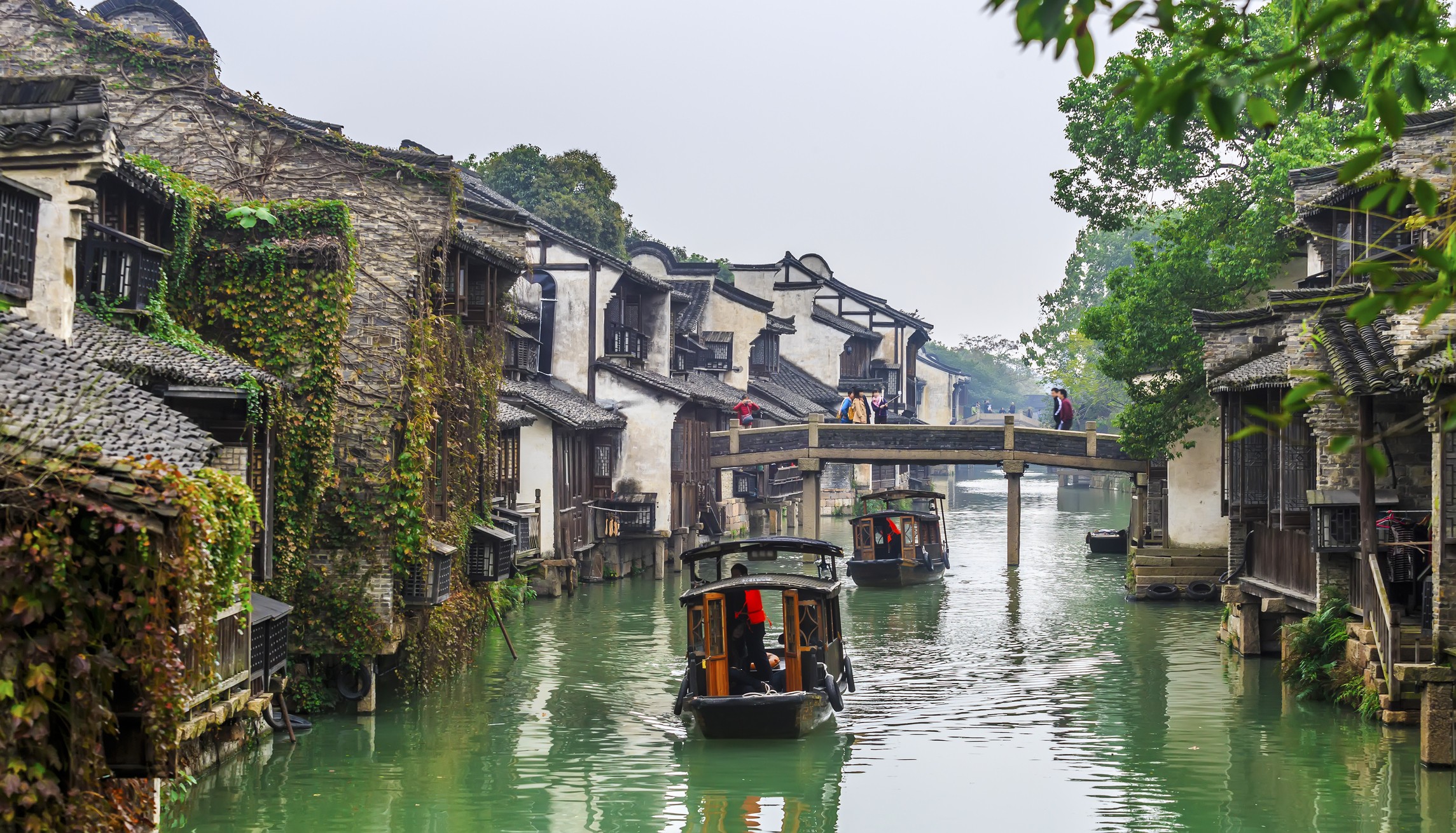
During Emperor Qianlong’s 60-year reign he made tours to the Jiangnan region six times. It seems that the “son of the heaven” was taken not only with the picturesque water landscapes there, but also the cuisine in the region.
January 1765 saw the fourth visit of Emperor Qianlong to the region. When he passed by Suzhou, located near to Shanghai, he sampled various famous local dishes.
Among the delicacies, there was one particular dish that he appreciated the most – the “eight treasure duck” (八寶鴨), which became a famous imperial dish soon after that tour.
View this post on InstagramA post shared by Zithergarden 古琴雅苑 (@zithergarden) on May 21, 2018 at 12:03am PDT
Today, it is not difficult to find this celebrated dish on the menu at some Chinese restaurants.
However, few of them continue to cook the dish in the traditional way today, which – in a world where fast-food culture plays such an important role in people’s daily lives – is understandable.
The original method of preparing the dish is time consuming and laborious, and can take up to five hours to complete.
The most testing challenge facing a cook who has to prepare the dish is to remove the bones from the entire raw duck without damaging the skin.
4 classic film duels starring kung fu master Ip Man
This is crucial as the duck meat, without the protection of the skin, will absorb too much oil while being deep-fried, resulting in the whole dish becoming very greasy and heavy on the stomach when eaten.
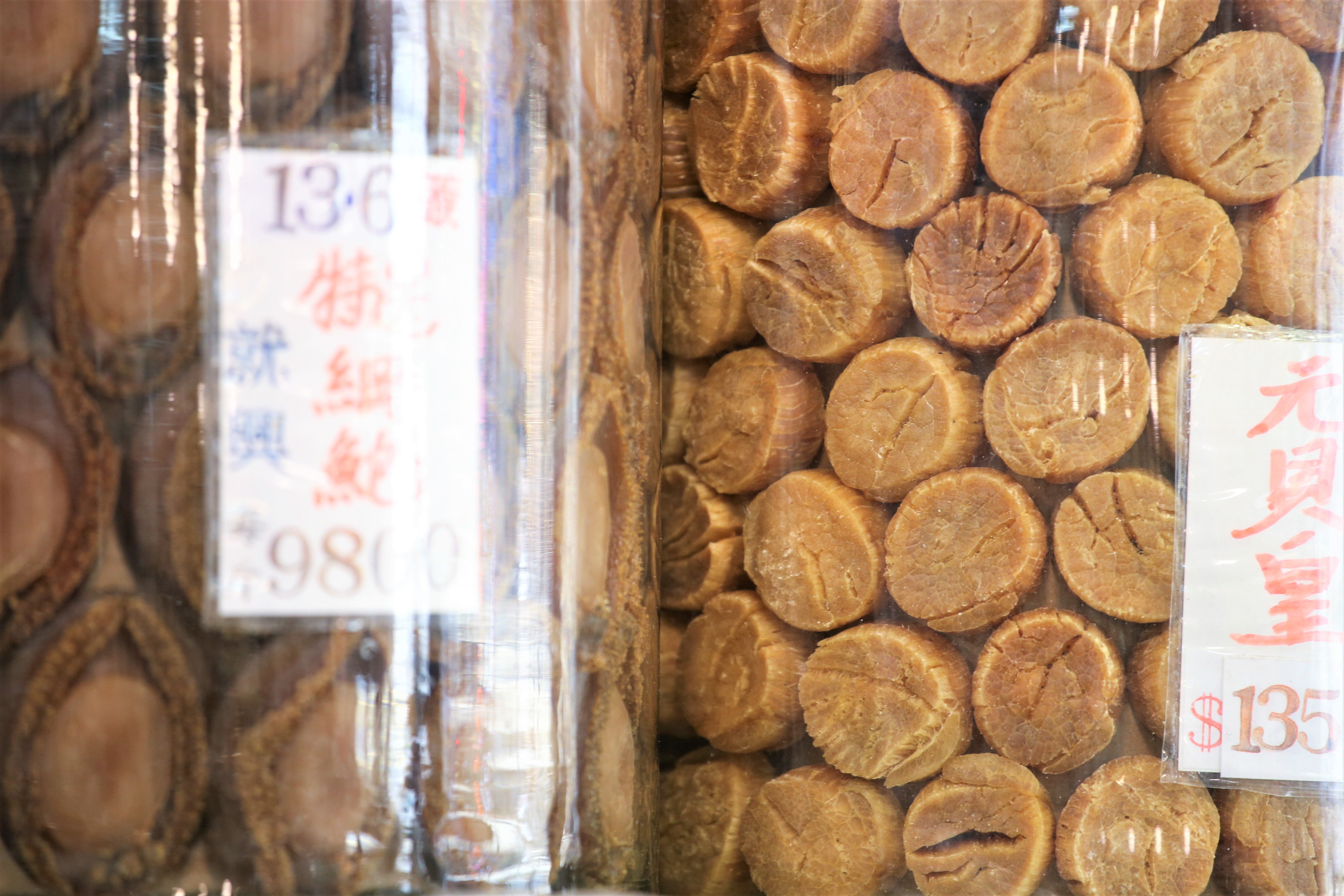
As its name suggests, “eight treasures” includes eight different ingredients for the stuffing – baby bamboo shoots, ham, dried scallops, minced pork, Mandarin mushrooms, coix seeds, fox nuts and duck gizzards – all of which are seasoned and cooked in advance.
After all the viscera have been removed, the cook will then stuff these eight ingredients inside the duck and sew up the gap before it is deep-fried.
The deep-fried duck will then need to stew for about 90 minutes until the stuffing has fully soaked up the gravy from the duck – leaving the duck meat so tender and full of flavour that it can almost melt in one’s mouth.
Today the eight stuffing ingredients vary according to regions and personal preferences; some cooks may also fill the duck with salted egg yolk, glutinous rice and chestnuts, to make it into a warming winter comfort food.
Empress Dowager Cixi and her chrysanthemum hotpot
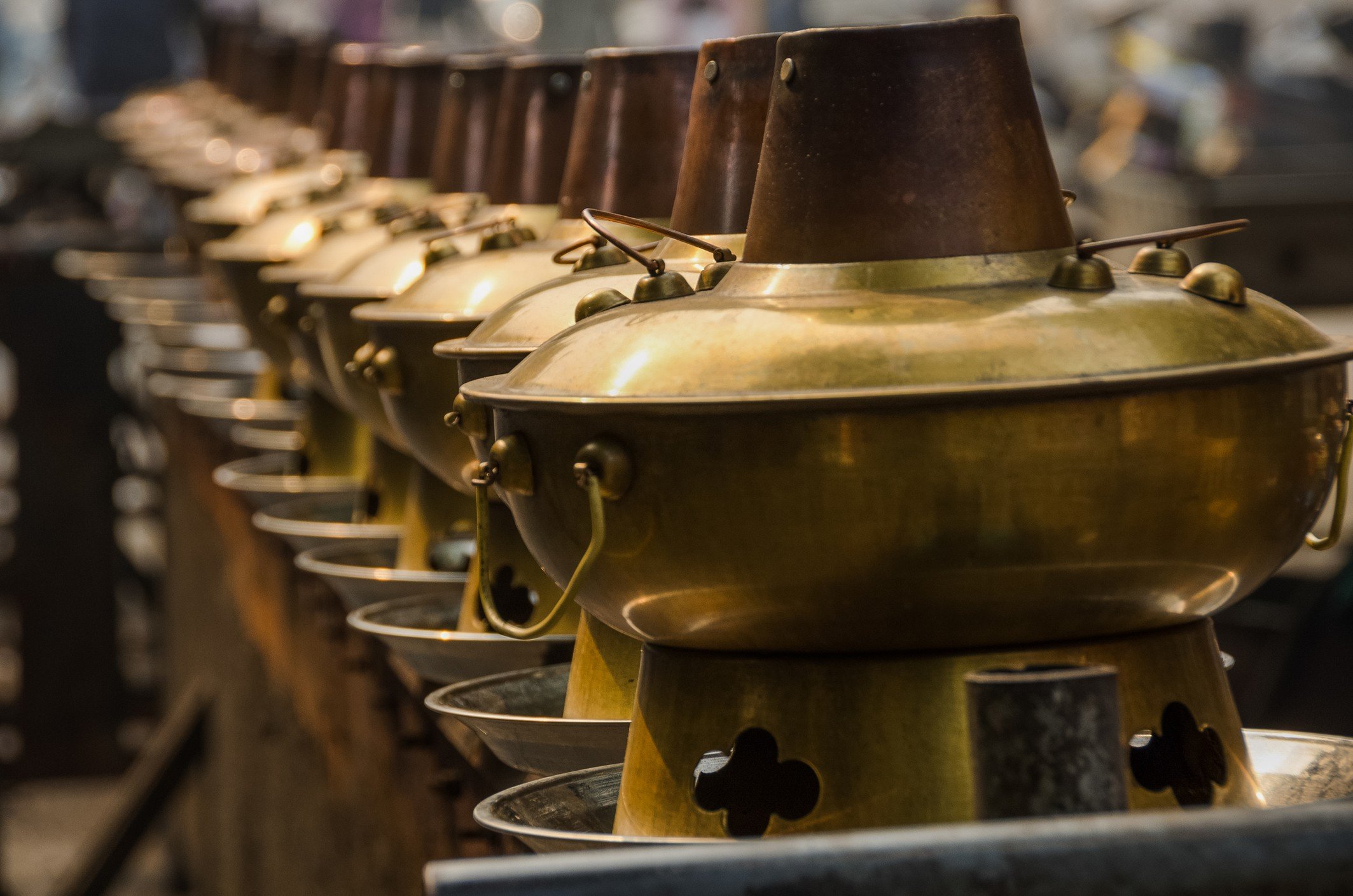
In 1279, when Mongolian soldiers were resting and preparing their food in their camp, they suddenly heard the sound of rapid drum beats, indicating that enemy forces were approaching.
The starving soldiers immediately threw all the pieces of beef and mutton into the boiling water and ate them very quickly to fill up their stomachs before going into battle.
At the end, the Mongolian forces had won the war – conquering the entire land of the Han Chinese and establishing their own empire, naming it the Yuan dynasty (1271-1368).
How authentic are the accessories worn in 'Story of Yanxi Palace'?
This is the story behind the origins of the Chinese hotpot, that is a popular dish among families and friends during the winter.
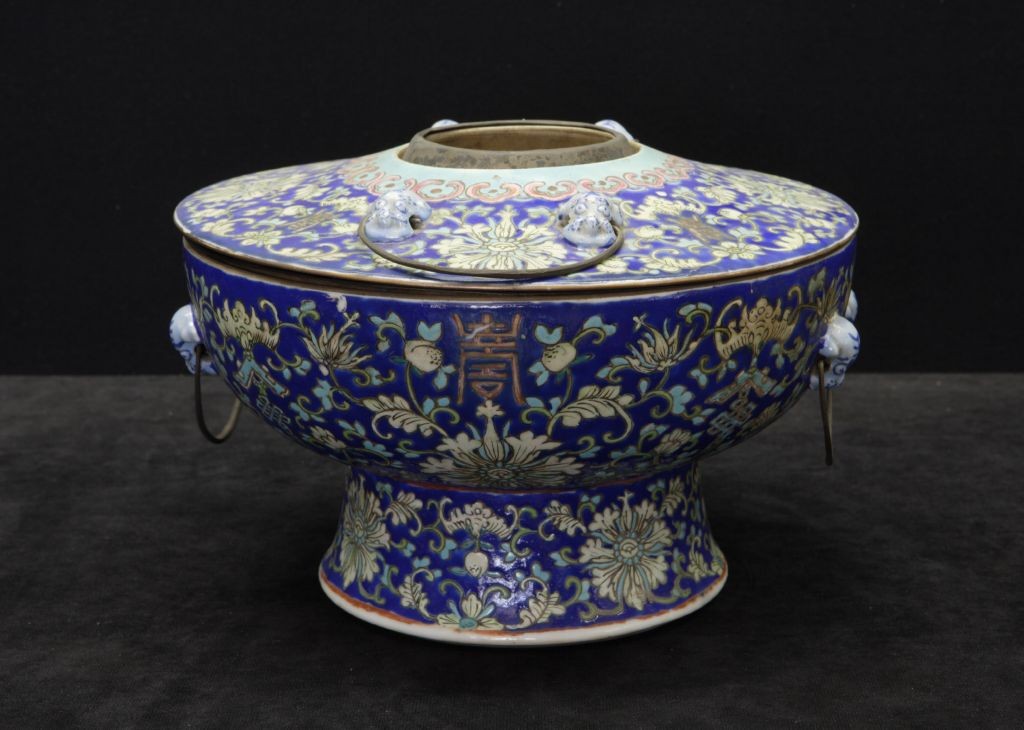
Three hundred years later, during the Qing dynasty, the Imperial Buttery in the Forbidden City – the department responsible for cooking food for the emperor and his family – added a hotpot to each meal during the winter months to keep the royal household warm.
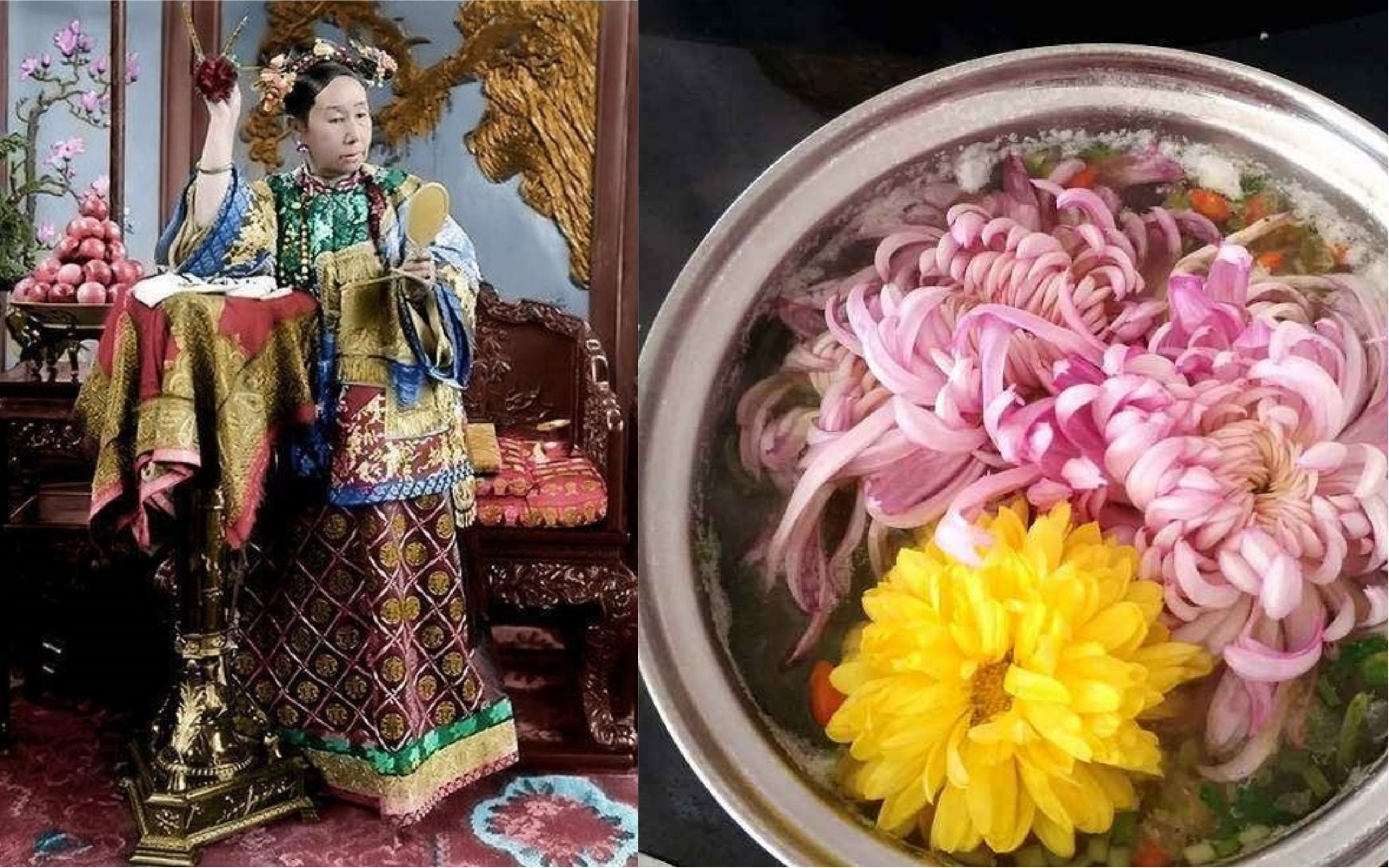
It was no secret that the Empress Dowager Cixi (1835-1908) – famous for her extravagant lifestyle in the Qing palace – was obsessed with looking beautiful.
To try to stay young and pretty, she was very cautious about her eating habits.
There were three things that she frequently consumed as her treasured beauty tricks – breast milk, pearl powder and chrysanthemum.

According to traditional Chinese medicine, the consumption of chrysanthemum helps top release toxins, clear heat in the body and nourish the skin.
4 of Louis Cha ‘Jin Yong’s’ most iconic TV and film characters
Therefore, the hotpot lover Cixi would order her attendants to pick fresh chrysanthemum from the palace every day during the winter time and sprinkle the petals into the boiling pot of consommé.
The soup base, full of floral fragrance, was delicious yet healthy to eat.
Want more stories like this? Sign up here. Follow STYLE on Facebook, Instagram and Twitter