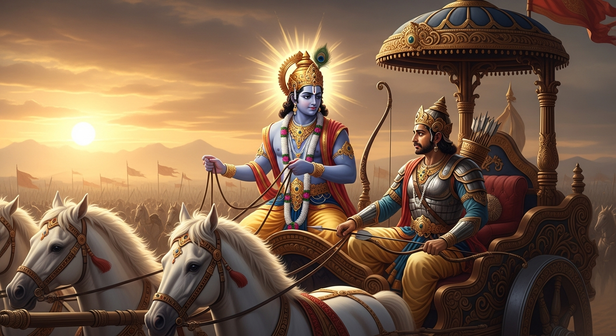
Many people mistake love for constant thinking, emotional longing, and silent pain. Krishna gently warned that such imagined love is not real love. In the Bhagavad Gita and through his life teachings, Krishna explained that love created by imagination leads to attachment, insecurity, fear, and suffering. True love, according to Vedic wisdom, brings inner freedom, clarity, balance, and emotional strength. This teaching is deeply relevant today, especially in modern relationships filled with expectations and confusion. Drawing from authentic scriptures and traditional understanding, Krishna’s guidance helps people recognize healthy love versus emotional illusion, making it a trusted and timeless lesson for mental peace, relationships, and self growth.
When Love Is Built on Imagination
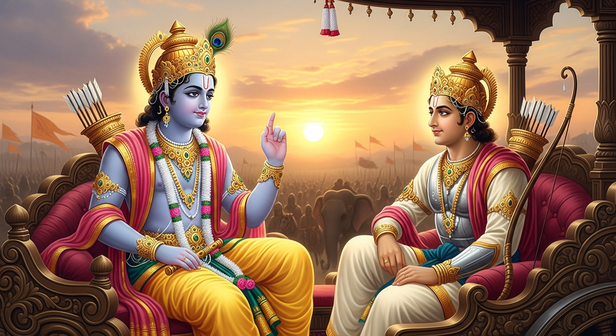
Imagined love begins in the mind, not the heart. Krishna’s teachings explain that when we imagine how someone should love us, behave for us, or complete our emptiness, we stop seeing the truth. This creates attachment instead of genuine connection. The mind starts expecting, comparing, and fearing loss, which slowly turns love into anxiety. Such love feels powerful but remains unstable and fragile. Krishna warned that imagination feeds illusion, and illusion always leads to disappointment and suffering. Real love, according to spiritual wisdom, begins with acceptance, clarity, and inner balance. When love is grounded in truth rather than fantasy, it becomes steady, healing, and lasting.
Attachment Turns Love Into Fear

Krishna explained that attachment makes love fragile and unstable. When a person clings emotionally, fear of loss quietly enters the mind. Fear then turns love into anxiety, control, and constant expectation. In the Bhagavad Gita, Krishna teaches that attachment binds the mind and weakens inner strength and clarity. Love mixed with fear no longer nourishes the soul. It creates jealousy, insecurity, and emotional pain. This is why imagined love hurts more than real love. Krishna advised loving with awareness and freedom. Love without possession remains peaceful, balanced, and emotionally healing. Love that depends on outcomes never brings lasting peace or stability.
Desire Disguised as Love
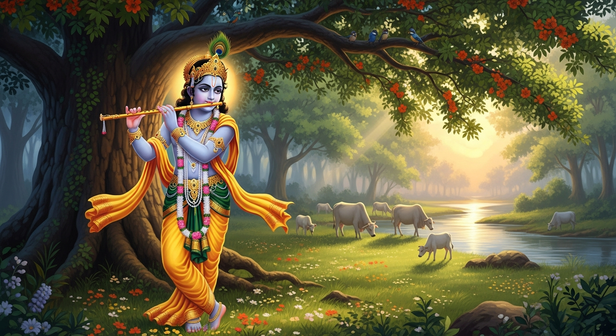
Krishna clearly distinguished love from desire in his teachings. Desire seeks to receive attention, validation, and emotional security, while true love seeks to give without expectation. Imagined love often feels intense because it hides unmet emotional needs. When those needs are not fulfilled, attachment turns into pain and disappointment. Krishna warned that desire disguised as love binds the mind and disturbs inner peace. Genuine love, reflected in devotion to Krishna, feels calm, stable, and freeing. It does not demand constant reassurance or proof. This wisdom guides seekers toward healthier relationships rooted in balance, awareness, and emotional truth.
The Gopis and the Highest Form of Love
Many people misunderstand Krishna’s bond with the Gopis as romantic attachment, but Vedic texts describe it as the highest form of devotion. The Gopis loved Krishna without demand, possession, or expectation. They did not ask him to stay, return, or promise a future. Their love existed fully in the present moment. Krishna used this example to teach love without ego and desire. Such devotion does not create pain because it is free from imagined outcomes. From lived spiritual traditions and scriptural wisdom, this lesson remains authoritative. Love rooted in surrender brings peace, clarity, and emotional freedom that lasts.
How Krishna’s Teaching Applies Today
In today’s world, imagined love often shows up as overthinking, emotional dependency, and constant craving for validation. Drawing from Krishna’s teachings in Hindu philosophy, true love is meant to support dharma and inner balance, not disturb mental peace. When affection leads to loss of self respect, anxiety, or emotional exhaustion, it moves away from love and into attachment. Krishna emphasized self awareness, patience, and emotional stability as foundations of healthy relationships. From lived experience and traditional wisdom, real love nurtures growth, clarity, and strength in both people. It creates calm, mutual respect, and long lasting emotional security rather than confusion or inner conflict.
Unlock insightful tips and inspiration on personal growth, productivity, and well-being. Stay motivated and updated with the latest at My Life XP.
Frequently Asked Questions (FAQs)
1. What does Krishna mean by imagined love?Imagined love refers to attachment created by desire, fear, or fantasy rather than understanding and balance. It feels intense but lacks stability.
2. Is Krishna against love or relationships?
No. Krishna supports love that follows dharma, responsibility, and self awareness. He warns only against love that causes loss of self.
3. How can one identify imagined love in daily life?
It often appears as overthinking, emotional dependency, jealousy, constant anxiety, or forgetting personal boundaries.
4. What is Krishna’s idea of true love?
True love brings peace, clarity, mutual growth, and emotional strength. It supports both individuals without draining either.