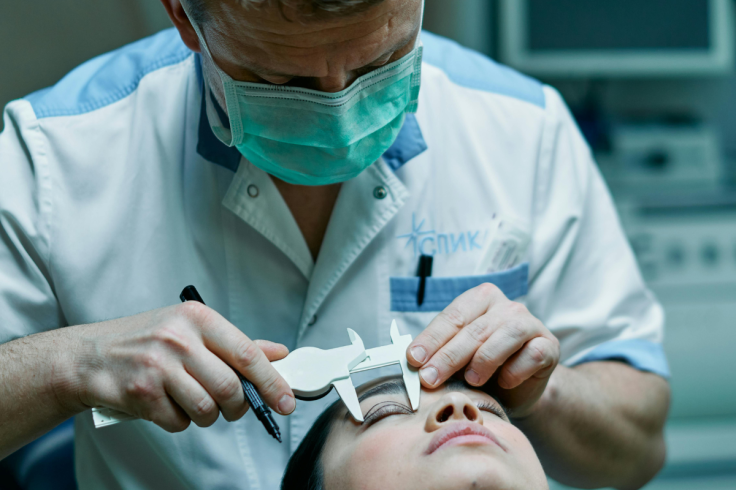
British taxpayers are footing an escalating bill for rectifying botched cosmetic procedures carried out in private clinics, as the UK's lax regulations allow unqualified practitioners to operate with impunity. Recent data for 2025 shows the NHS spent around £30 million ($40 million) on corrective surgeries for victims of these failed operations.
This situation underscores why public funds are salvaging lives ruined by substandard private care, exposing ongoing systemic failures in regulatory oversight.
The Financial Toll on the NHS
Various reports paint a stark picture of the economic impact on public health services. The British Association of Aesthetic Plastic Surgeons estimates that treating each botched patient costs the NHS upwards of £15,000 ($20,250). Complications from cosmetic surgeries performed abroad, especially in Turkey, are projected to cost the NHS £94 million ($127 million) annually.
A parliamentary debate in 2025 highlighted that foreign procedures alone burden the NHS with about £1.7 million ($2.3 million) in one year. These expenses arise from emergency treatments for infections, nerve damage, and disfigurements that private clinics often fail to address. Critics contend this subsidises the private sector, which generated £10.1 billion ($13.6 million) in non-surgical treatments in 2024.
The surge in demand, fuelled by social media and celebrity influences, has amplified the problem, with 7.7 million people undergoing treatments last year. Private clinics prioritising profits by cutting corners mean the public health service absorbs the fallout, straining resources.
Lax Regulations in the UK's Cosmetic Industry Exposed
The UK's regulatory framework for cosmetic procedures has been criticised as fragmented and inadequate. Non-surgical treatments like fillers and Botox operate in a 'wild west' environment where rules are easily flouted. In 2025, the government introduced measures to crack down on unsafe practices, including a licensing scheme for clinics and restricting high-risk procedures to qualified healthcare professionals.
However, loopholes remain: any registered medical person can perform cosmetic surgery privately, even if not permitted in the NHS. Counterfeit devices, available online for as little as £400 ($537), enable non-medical professionals to offer dangerous treatments after minimal training. A debate proposed a traffic-light system to categorise treatments by risk and mandatory cooling-off periods.
Despite bans on advertising certain injectables and age restrictions for under-18s, enforcement is weak, with clinics breaking Botox promotion rules. Without comprehensive legislation, the industry prioritises profits over safety.
Stories of Ruined Lives and Calls for Reform
Real-life accounts highlight the human cost. Alice Webb, a mother, died after a non-surgical Brazilian butt lift, believed to be the first such fatality in the UK. Another victim, Triggs, endured unbearable pain and months of swelling from a £100 ($134) counterfeit laser treatment, resulting in lifelong pigmentation issues. 'The pain was unbearable and the bruising started instantly,' she recalled.
On X, Peter Stefanovic pointed out that the NHS paid out £84 million ($ 113 million) in compensation after patients suffered botched care from private contractors.
For anyone thinking private healthcare is the answer the NHS has paid out a record £84m in compensation after record number of patients suffered botched care & surgery at the hands of private contractors who won NHS contractshttps://t.co/jg5bnMegMH
— Peter Stefanovic (@PeterStefanovi2) November 11, 2024
Complaints have surged, with Save Face registering over 3,000 in 2023, many involving young women. MP Bradley Thomas described it as an 'emerging public health crisis'.
As of 5 January 2026, with a public consultation on further restrictions set for early this year, stakeholders hope for tighter controls to reduce the flow of botched cosmetic procedures to the NHS. Ongoing inquiries into implants suggest more reforms are essential to address the lax rules, hardly a surprise given years of calls for change.