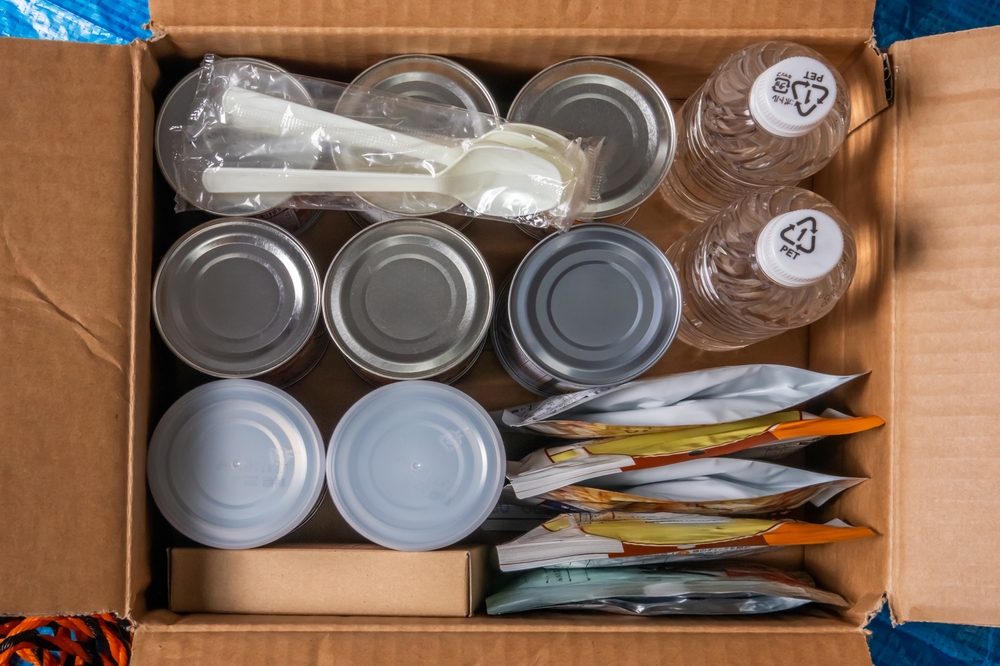
Americans are stockpiling again, and the trend is hard to ignore. Store shelves are thinner than they should be, even when supply chains appear stable. Households are stacking pantry staples and emergency goods in ways that echo earlier crises, but with a sharper edge. The behavior signals more than fear of shortages. It exposes an uneasy question about trust—specifically, how fragile that trust feels right now—and the degree to which stockpiling has become a barometer of national anxiety.
1. Eroding Faith in Supply Stability
Stockpiling rises when people no longer believe the system will hold. The idea seems simple: keep more at home because the store might not have it tomorrow. But stockpiling today carries a different tone. It stems from repeated disruptions that trained shoppers to expect inconsistency rather than reliability.
Some households now treat weekly shopping as a defensive act. They buy extra because they assume shortages linger beneath the surface, even when shelves look full. That instinct becomes habit, and habit becomes a new norm. The system technically works, but consumers behave as if it doesn’t—an uncomfortable gap that says a lot about shaken confidence.
2. Memories of Recent Crises Linger
The memory of empty aisles still sits close. It doesn’t take much to bring those images back—an alarming headline, a rumor, a slight delay in shipments. People who lived through sudden scarcity tend to react quickly. Stockpiling becomes a way to avoid feeling powerless again.
These memories create a kind of muscle memory. Even when conditions change, the instinct remains. Families who once relied on routine shopping cycles now keep deeper reserves, layering canned goods, shelf-stable foods, and household basics. The behavior suggests a lingering sense that disruptions don’t truly end. They pause. Then they return.
3. Inflation Pressures Everyday Choices
Prices rise. Budgets shrink. And people adjust in ways that feel practical but reveal deeper concerns. Stockpiling fits neatly into this reality. When a staple’s cost jumps unexpectedly, buying extra at a lower price feels like a straightforward strategy.
But inflation shapes more than budgets. It disrupts a sense of long-term predictability. When everyday items swing in price from week to week, shoppers start to question what anything will cost next month. Stockpiling becomes a hedge against volatility—a quiet acknowledgment that stability isn’t guaranteed. And repeated inflation shocks make that hedge feel necessary rather than optional.
4. Growing Distrust Toward Institutions
Trust in institutions affects consumer behavior more than most realize. When people doubt that large systems can manage crises, they compensate individually. Stockpiling becomes a personal safety net built on skepticism.
Government assurances, corporate statements, and supply forecasts often carry less weight than they once did. People no longer assume officials will maintain order during disruptions. That doubt doesn’t need a trigger. It operates in the background, shaping how shoppers prepare for the unexpected. The result is a quiet but widespread shift toward self-reliance that shows up in pantries, basements, and overflowing storage bins.
5. Preparedness Culture Moves Mainstream
Preparedness used to sit on the fringes of American culture. Now it’s part of everyday conversation. The language of readiness—food storage, emergency kits, backup reserves—has moved into households that never considered it before. And stockpiling plays a central role in this shift.
People feel responsible for their own safety, extending beyond natural disasters or power outages. They prepare for the unknown because uncertainty feels constant. Preparedness culture doesn’t rise by accident. It grows when confidence in public systems thins and individuals feel compelled to step in for themselves.
6. Social Influence Amplifies the Cycle
Social cues matter. A neighbor stocking shelves with long-lasting staples triggers curiosity. A relative’s overflowing storage room starts to look less like caution and more like common sense. That influence spreads quietly, reshaping how communities think about supply security.
Stockpiling gains momentum through these subtle interactions. People adjust their behavior when they see it reflected around them. Even those who disliked the idea eventually warmed to it, believing that doing nothing carries more risk than doing too much. The cycle reinforces itself, building a collective mindset shaped by caution, memory, and suspicion.
What This Reveals About American Confidence
Stockpiling isn’t just about goods on shelves. It’s a window into the national mood. When people store more than they need, they’re saying something about trust—trust in supply chains, trust in leadership, trust in the idea that systems will function when pushed. The behavior reflects a subtle recalculation happening across households: prepare now because certainty feels scarce.
That shift carries weight. It signals an underlying belief that disruptions aren’t rare events but recurring chapters. And it raises a question that sits beneath the surface of every shopping trip: if people feel this insecure in a time of relative stability, what happens when the next real crisis arrives?
How has stockpiling changed your own approach to planning and preparedness?
What to Read Next…
- Stockpiling Food 101 How To Build A Pantry That Saves You Money And Time
- 8 Things Americans Are Stockpiling Again In 2025
- Why Your Grocery Stores Loyalty Program Is Secretly Costing You Money
- Grocery Chains Sued For Mislabeling How Trustworthy Are Your Food Labels
- Why So Many People Are Meal Prepping With Dollar Tree Groceries This Year
The post Why Americans Are Stockpiling Again—and What It Says About Trust appeared first on Grocery Coupon Guide.