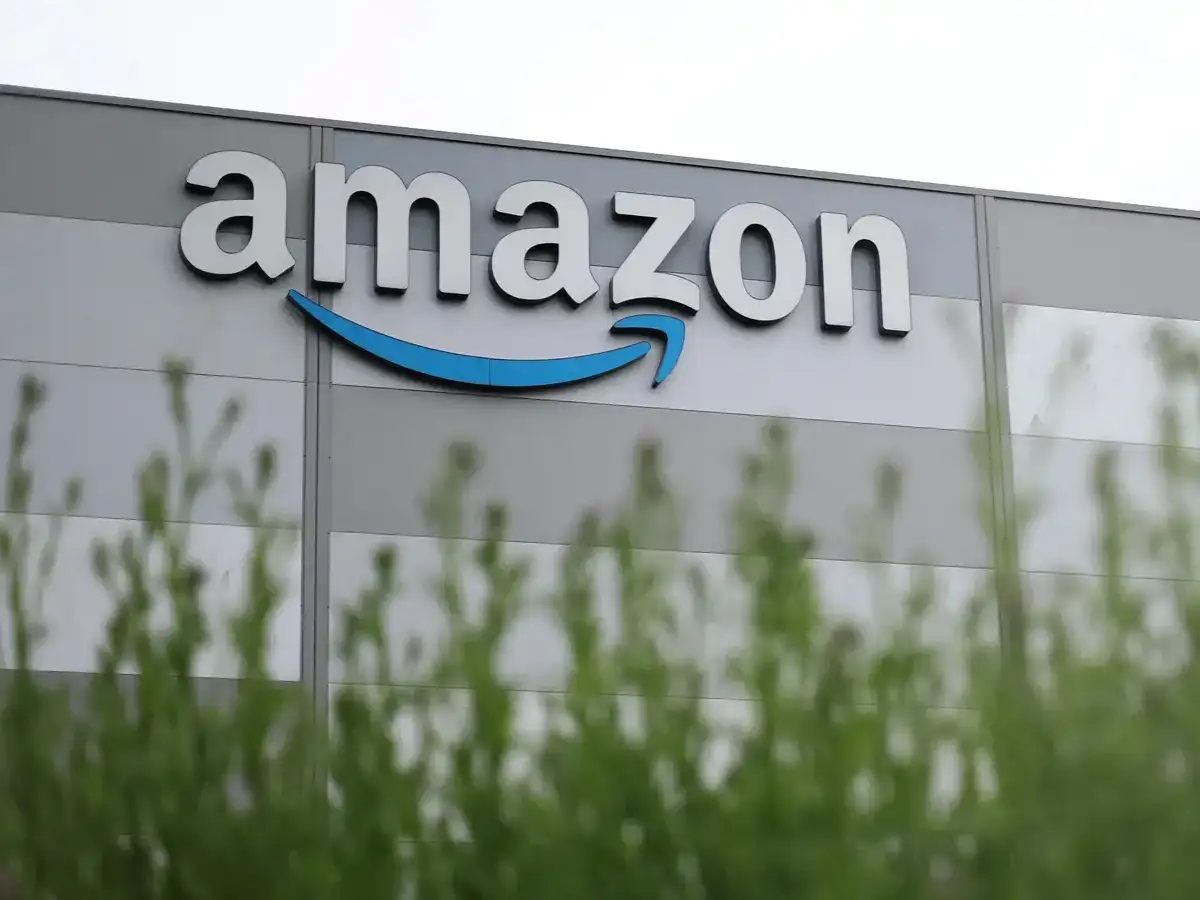
In June 2022, India’s cricket board was preparing to auction the media rights to the Indian Premier League tournament, and expectations in Mumbai were stratospheric. Bankers and broadcasters were bracing for a bruising bidding war, and the board itself was counting on one company above all to push prices higher: Amazon.com Inc.
Executives who favoured the deal argued that cricket, one of India’s most potent cultural and commercial properties, would cast a halo over the Amazon brand and further the company’s ambition of becoming the biggest e-commerce operation in the world’s most populous nation. Then hours before the auction, Amazon pulled out — ceding the rights to Walt Disney Co. and India’s Reliance Industries Ltd.
The decision was jarring at the time because Amazon had been scooping up rights for soccer, rugby and tennis around the world. But in retrospect, it heralded a major shift in emphasis. Andy Jassy, just finishing up his first year as chief executive officer, was beginning to lower the curtain on the Jeff Bezos era, when Amazon was prone to making big bets that might not pay off for many years.
By walking away from the cricket rights, which cost Disney and Reliance $6.2 billion, Jassy was sending an implicit message to his team: India remained a priority, but the years of heavy spending and cash burn were over. “It certainly does look like they’ve taken their foot off the gas,” Bernstein analyst Mark Shmulik said in a recent interview.
Also read | Suzlon seeks to put the wind in all its sails
Amazon’s global expansion has long rested on a simple conviction: capital, logistics and patience could overwhelm local rivals and political friction. Lose money early. Build scale. Dominate later. The strategy has had mixed results — largely paying off in Japan, Germany and the UK but sputtering in China. India, vast, fast-growing and democratic, was supposed to be the ultimate proof that the model would succeed outside the US and a handful of smaller industrialized countries.
Thirteen years later, it’s clear the model hasn’t worked as anticipated. Amazon occupies an awkward middle ground in India. It’s too large to pivot quickly and too constrained to match rivals’ agility. Its brand is trusted, and the Prime subscription program keeps millions of customers loyal. But across the company’s myriad businesses — retail, video streaming, payments, rapid delivery — local rivals have challenged Amazon to a degree it hasn’t experienced outside of China.
Amazon has said its investment in India will surge past $35 billion by 2030, but much of that will go to data centers dedicated to artificial intelligence — not e-commerce. In a telling move, Jassy has asked his India team to focus on operational profitability — a milestone it achieved in the fiscal year through March 2025. Amazon’s India land grab is essentially over.
Jassy’s unsentimental approach to India largely mirrors his strategy for the entire company — cut or streamline projects he doesn’t believe will generate sufficient return and pour resources into ones with more promise, including chips, satellite broadband and, of course, artificial intelligence. Since taking over, Jassy has laid off about 60,000 people, axed multiple bets launched by his predecessor and invested hundreds of billions of dollars in data centers and other AI infrastructure. Wall Street has rewarded his efforts, driving up the shares more than 40% during his tenure.
E-commerce accounts for a tiny fraction of Indian retail, with plenty of room for growth. And Amit Agarwal, Amazon’s senior vice president of emerging markets, says the company will continue funding the operation aggressively. “We are investing what is needed to ensure we have the largest selection, greatest value and fastest speed,” he said in an interview in December. Asked about the decision to forgo broadcast rights for Indian cricket, he said: “Every business should have fiscal prudence. We are rational in our approach but very long-term focused.”