The World Health Organization (WHO) released a preparedness plan to tackle the infection and deaths caused by dengue and other Aedes-borne arboviral diseases such as Zika and chikungunya.
The plan will be implemented over one year until September 2025, the WHO has said.
"An estimated four billion people are at risk of infection from arboviruses around the world, and this number is estimated to increase to 5 billion by 2050. Dengue cases have surged across all six WHO regions, and the number of cases has approximately doubled each year since 2021, with over 12.3 million cases as of the end of August this year – almost double the 6.5 million cases reported in all of 2023," the WHO said in an official statement.
“From maintaining clean environments to supporting vector control and seeking and providing timely medical care, everyone has a role to play in the fight against dengue. This plan is a roadmap to turn the tide against this disease and other Aedes-borne arboviral diseases, protect vulnerable populations and pave the way for a healthier future," said Dr Tedros Adhanom Ghebreyesus, WHO Director-General.
Dengue is currently endemic in more than 130 countries and an alarming trend is being observed for other diseases like Zika, chikungunya and Oropouche virus disease.
Arboviruses are a group of viruses that are caused by arboviral diseases, and are spread to human beings through arthropod bites, especially mosquitoes and ticks. These diseases include dengue, Zika, chikungunya, West Nile virus, and yellow fever. Their symptoms range from simple fever, muscle ache, and joint pains to hemorrhagic fever, and in extreme cases, leading to severe neurological conditions.
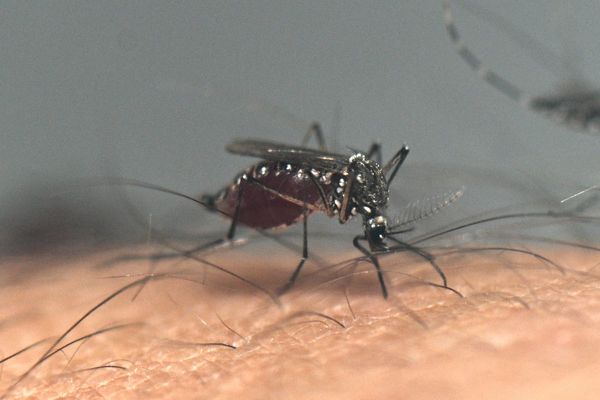
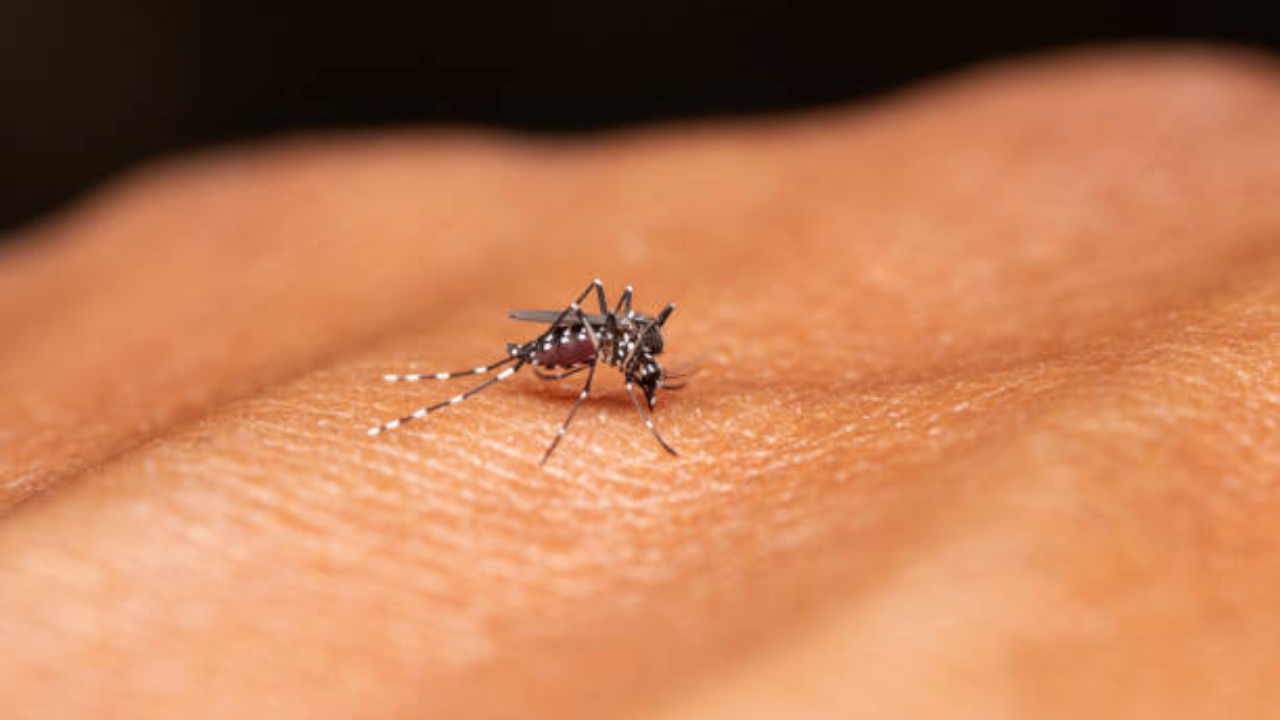
The global burden of these diseases has increased due to climate change, urbanization, and global travel, leading to the spread of mosquito vectors like Aedes aegypti. The UN health agency aims to tackle the growing burden of the infection through emergency coordination, using tools for early detection and control, community protection, effective clinical management, and promoting research and innovation for improved treatments and effective vaccines against these diseases. Early detection and management of symptoms are crucial to reduce the severity of infections, but as of now, specific treatments for many arboviral diseases remain limited.