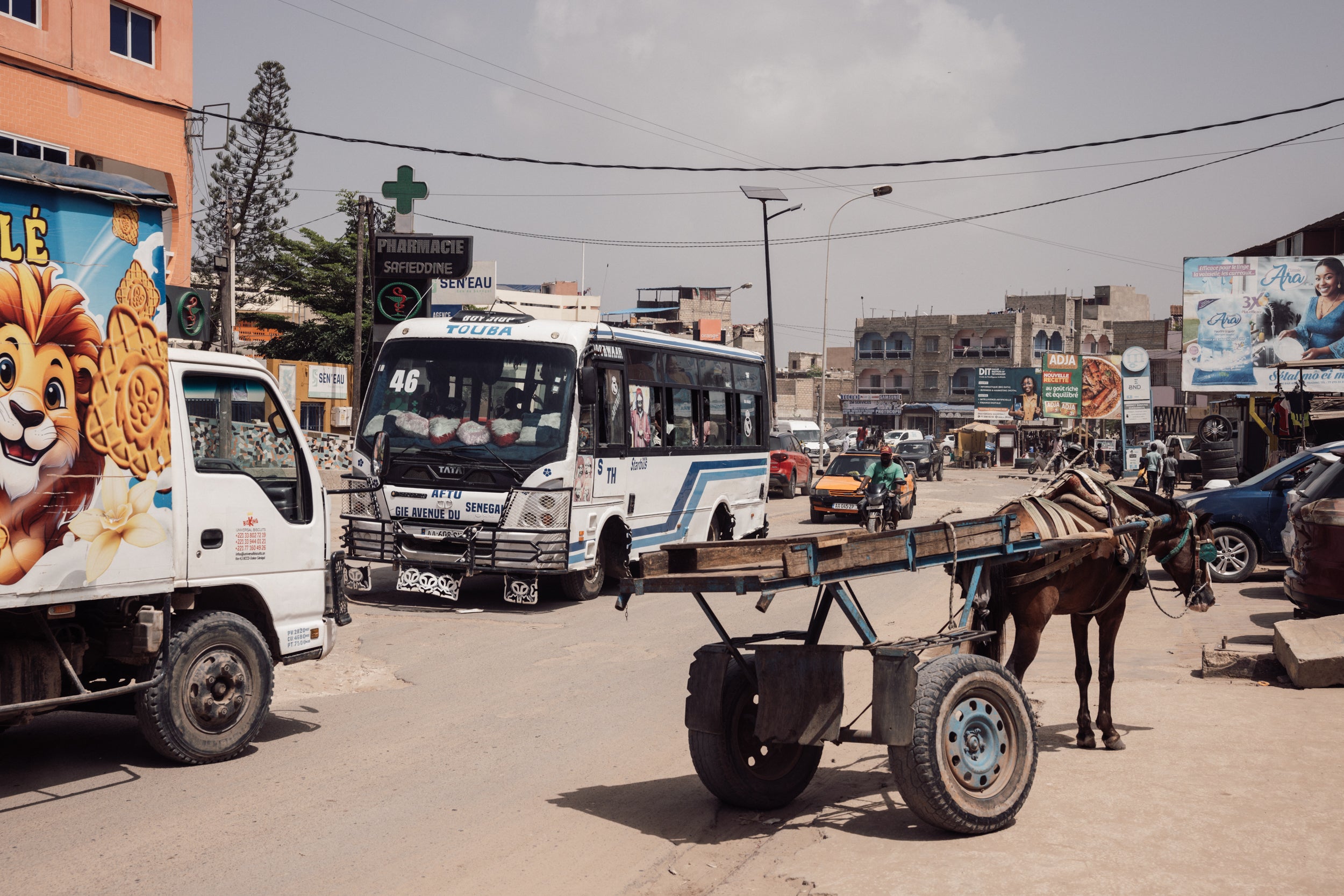
Tucked away in an unmarked building, set back from a dusty thoroughfare on the outskirts of Senegal’s capital, Dakar, hides a community centre. Within its walls, a woman we can only refer to by her initials AC dissolves into tears as she recounts the most recent death since Donald Trump began his slash and burn mission against foreign aid.
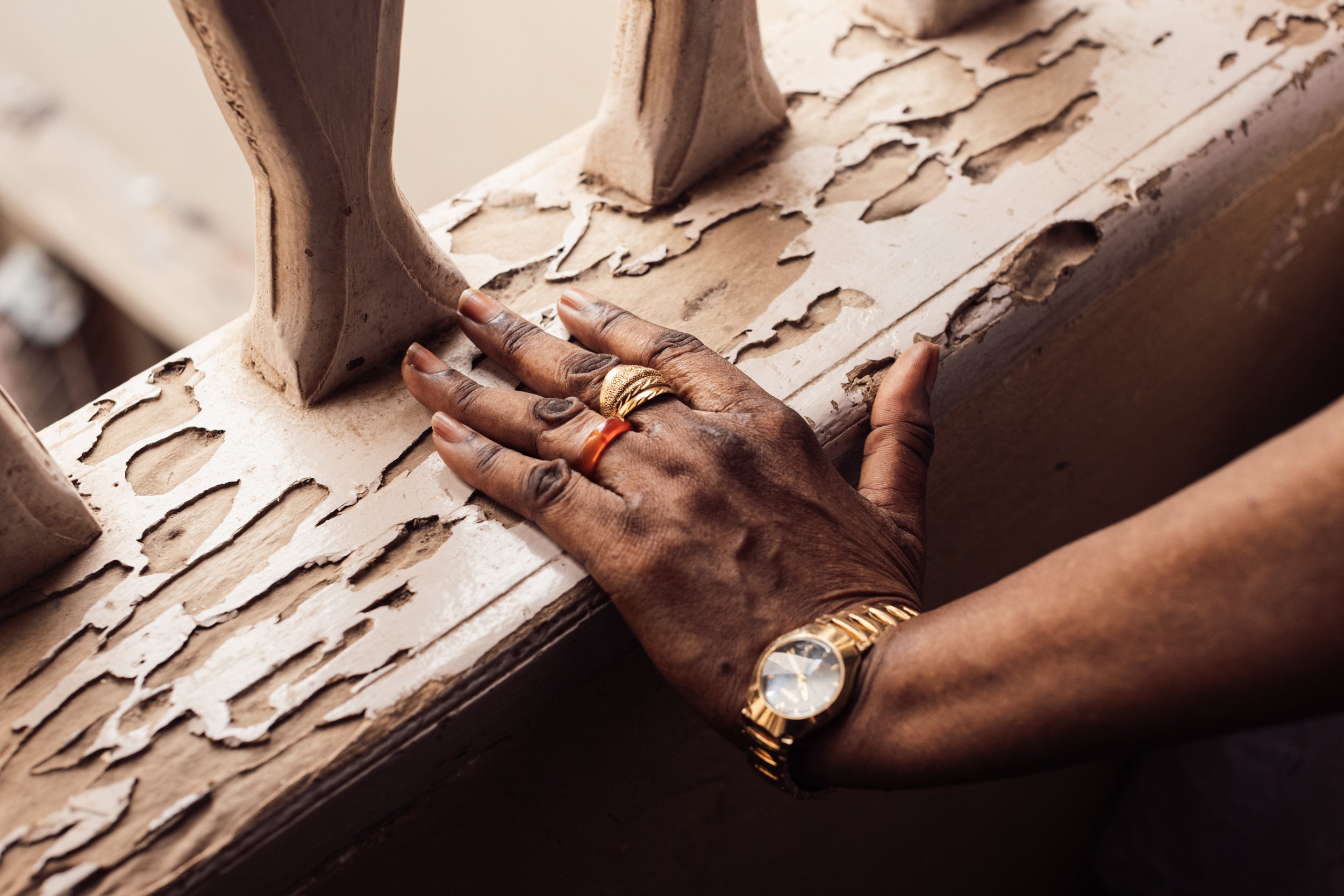
“When I visited him, he told me, ‘I want to take the medicine now’. But he was already at the latest stage and we couldn't do anything for him,” she says. AC volunteers at the Aboya Centre which has helped her since she learned her own HIV positive status, visiting others like Abdou* who need extra support to live with the virus.
Abdou had a disability which qualified him for a cash payment of 5,000 West African Francs (less than £7). It meant he could travel to pick up the antiretroviral medication that kept him alive - but that money was withheld by the US after January this year.
“If they are unable to pay for the transportation, they cannot respect the treatment,” says AC. It also cut the funding for her to make home visits. Eventually, she couldn’t stay in the centre any longer knowing people were going without treatment and took it upon herself to make the visits with her own meagre resources. But, by then, it was too late.
“I unfortunately know three of them who passed away specifically due to that,” she adds, covering her face as her voice breaks. Two men and one woman being helped by the centre have died, including Abdou who died late this summer.
“I was really attached to them. I really loved them. And we were like a family at the end of the day,” she says.
A third of all cash for Senegal’s HIV response comes from the Global Fund to Fight AIDS, Tuberculosis and Malaria. It in turn largely gets its money through pledges from richer governments.
The deadline is looming for the Global Fund to raise $18bn (£13.3bn) for its work for the next three years. The UK is expected to cut its contribution by as much as £150m - a loss which could cost an estimated 255,000 lives. A summit co-hosted by the UK and South Africa on 21 November will decide the fates of people like AC and the community centre.
The US already withheld a significant chunk of money already promised for 2025 from the Global Fund earlier in the year, after Trump took office. On top of that, the administration cut almost all of its direct contributions to the country which made up another 25 per cent of Senegal’s HIV budget.
The US eventually released some of the funds promised to the Global Fund, but not all.
Senegal is a country far from the top of the list of those the fund is most worried about; HIV prevalence is comparatively low and in 2019, the World Bank upgraded its status from low-income to lower-middle income.
Despite this, people living with HIV are paying for the cuts with their lives.
We may never know exactly how many people will die as a direct result of global aid cuts, but Senegal’s experience, even with its relative advantages, gives a glimpse into the depth of the likely toll across the continent.
The Foreign Commonwealth and Development Office (FCDO) said: “The UK continues to play a significant role in the global response to HIV, working with our partners, including the Global Fund.
“Our funding helps build stronger health systems worldwide, helping to end AIDS-related deaths and prevent new HIV infections”.
The Aboya Centre started life 30 years ago as an informal meeting spot under a mango tree, where a handful of women gathered to get advice and share information. There were no HIV drugs available at that time.
Instead, they would meet to discuss how best to help people with new infections. It wasn’t until international funders came on board that they acquired proper premises and took some of the women on as workers.
Since those early days under a mango tree, the centre has grown into a hub for women who have been rejected by families or communities because of their status, or suffered abuse. Before arriving, many are too beaten down to go outside, even for hospital appointments.
Aboya sees it as its role to build them back up again, telling them about their rights as well as making sure they stick with their medical treatment.
“Nowadays, they are able to talk for themselves and about their issues and to defend themselves. So, they became leaders that are able to advocate for themselves,” says Aboya president, Astou Diop. She says the proof of their worth can be seen in the fact these women are less likely to pass the virus on. The centre began to support some men too, especially from groups most vulnerable to HIV.
But recently, things have changed again.
“This centre used to be busy,” says Ousseynou Badio, project lead for Alliance Nationale des Communautés pour la Santé (ANCS), a Senegalese national health alliance which helps run the centre. “As you can see now, look at how degraded it is. This is due to the lack of means and the budget cuts from USAID [the United States Agency for International Development]”.
Where it used to be abuzz with conversation, packed with women sewing and hanging out, now most of the rooms lie empty and silent. A single child sleeps on a chair in the corridor.
A major draw to the centre were the clubs, support and discussion groups which have now been axed. They may not be seen as life-saving in themselves, but without them people don’t come through the doors to receive vital prevention advice and access to the preventative drug PrEP (pre-exposure prophylaxis), condoms and referral for treatment.
Even when it comes to directly life-saving medical care, Ms Diop says, there have been cuts especially to care for so-called key populations - those most at risk of HIV including gay men and sex workers. Without free testing, medical exams and the transport to get to them, “we may lose them. They may no longer come to the care site, and we don't know what's going to happen if we lose them,” she says. “We've already started seeing these effects”.
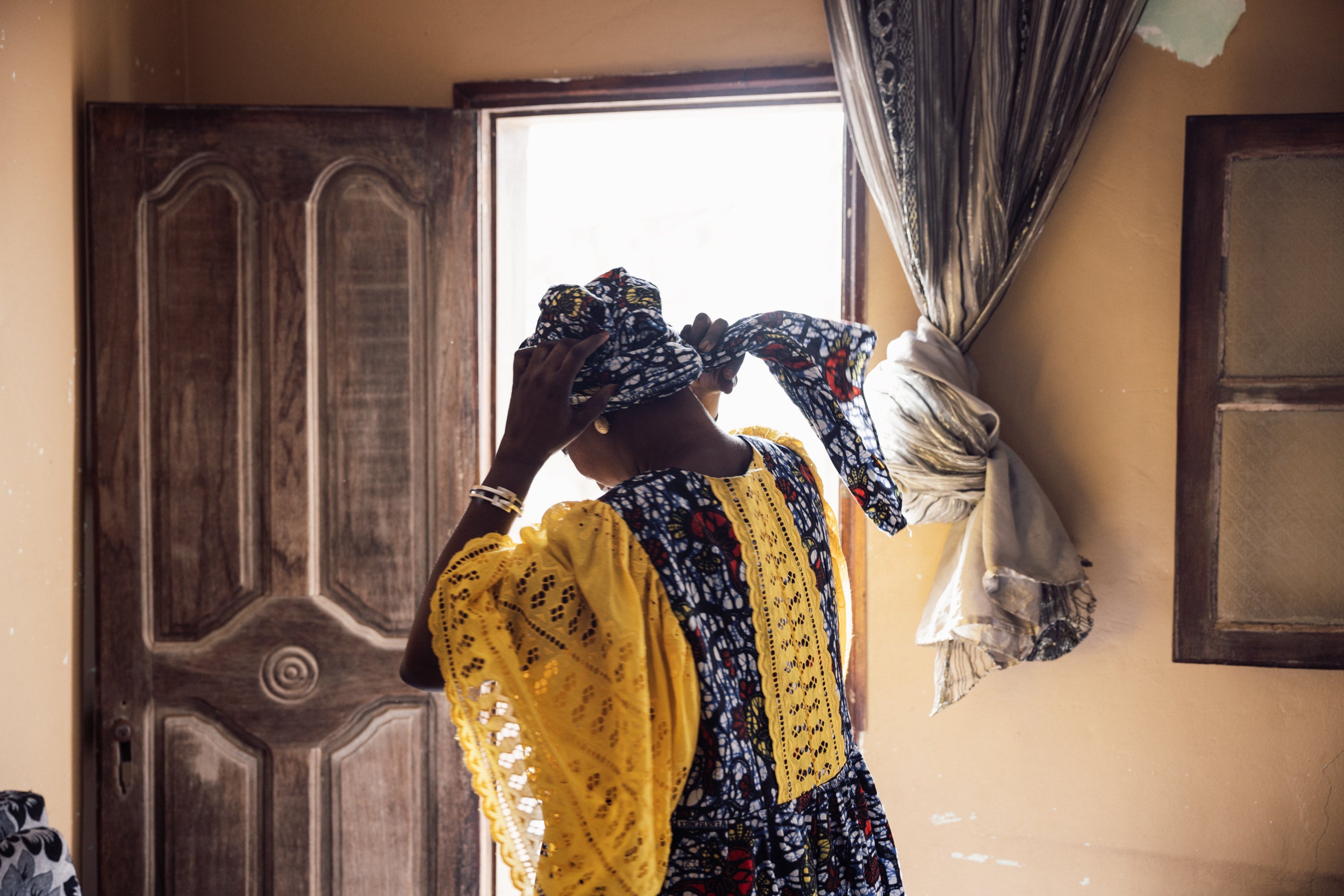
It’s not just Aboya facing these cuts. Across the country, prevention programmes for sex workers have been stopped. Clinics can no longer hand out food kits which help keep people on medication. And roughly half of facilities in the country offering PrEP which used to rely on the US to pay for the drug have been left scrambling.
A US State Department spokesperson said: “Over the last year, the United States has provided more than $60 million of health assistance programming for Senegal to support to the most urgent health needs, including HIV prevention and treatment.
“As we work with countries to responsibly transition to self-reliance, the United States continues to fund life-saving HIV care and treatment services in Senegal. This life-saving assistance supports seven health regions in Senegal with HIV testing, provision of anti-retroviral therapy, viral load monitoring, and peer support.”
Senegal’s Minister of Health and Social Action, Dr. Ibrahima Sy, says: “All programmes are important. If we stop the TB programme, there will be a surge of tuberculosis. If we stop malaria, cases will increase…It's the same for HIV.
“We are going to keep on trying to find additional resources at a domestic or international level,” he adds or, “all these efforts to reduce mortality will be really in vain”.
But the Global Fund’s fund portfolio manager Mark Taylor questions whether the government can truly fill the gap.
“Even with a total allocation from the Global Fund based on what Senegal needs, the gaps are not filled. But the government will have to step up,” he says.
And when it comes to what the Global Fund currently pays for, even after the first raft of cuts: “If we don’t meet our target in November,” he said, “we will not be able to do what we are doing”.
Even if no programmes are stopped completely, their scope will be reduced, he says, likely along the line of the cuts that have already been made - to those areas the fund judges, “we can put aside and still achieve our objectives,” Mr Taylor explains, including things like transport.
Life-saving work at least is supposed to be protected. But preventing HIV deaths takes more than drugs; Abdou’s death serves as a tragic warning of how removing “nice-to-have” extras like transport can block people from accessing crucial medicines.
“It's pointless making a prescription to a person who will not take it,” explains leading Senegalese HIV specialist, Dr Ndeye Fatou Ngom, which is why, “the community level is very important”.
AC certainly credits the Aboya Centre with saving her life.
When she unexpectedly learnt her HIV status almost two decades ago, after taking up random free testing in a shop, she went home to look for her father’s pistol: “I wanted to commit suicide,” she says.
But when she found the centre she was able to share things she couldn’t share with her loved ones.
“There is no stigma here. We live here as a family, as a full family”.
This family is now splintering and its most vulnerable members, including those who are disabled and can no longer go to hospitals for their treatment, left alone. Without more funding to reach them, AC says, they will only face more heartbreak.
This article is part of The Independent’s Rethinking Global Aid project
*Some names have been changed
Eric Trump doesn’t rule out dad running for president again in 2028
Putin makes new nuclear test order following Trump comments
Judge in Comey case scolds prosecutors as he orders them to produce records from probe
Watch Zohran Mamdani’s victory speech in full
Zohran Mamdani’s New York election victory inspires hope in Uganda
Man sent to prison for trafficking victims to Myanmar scam compound