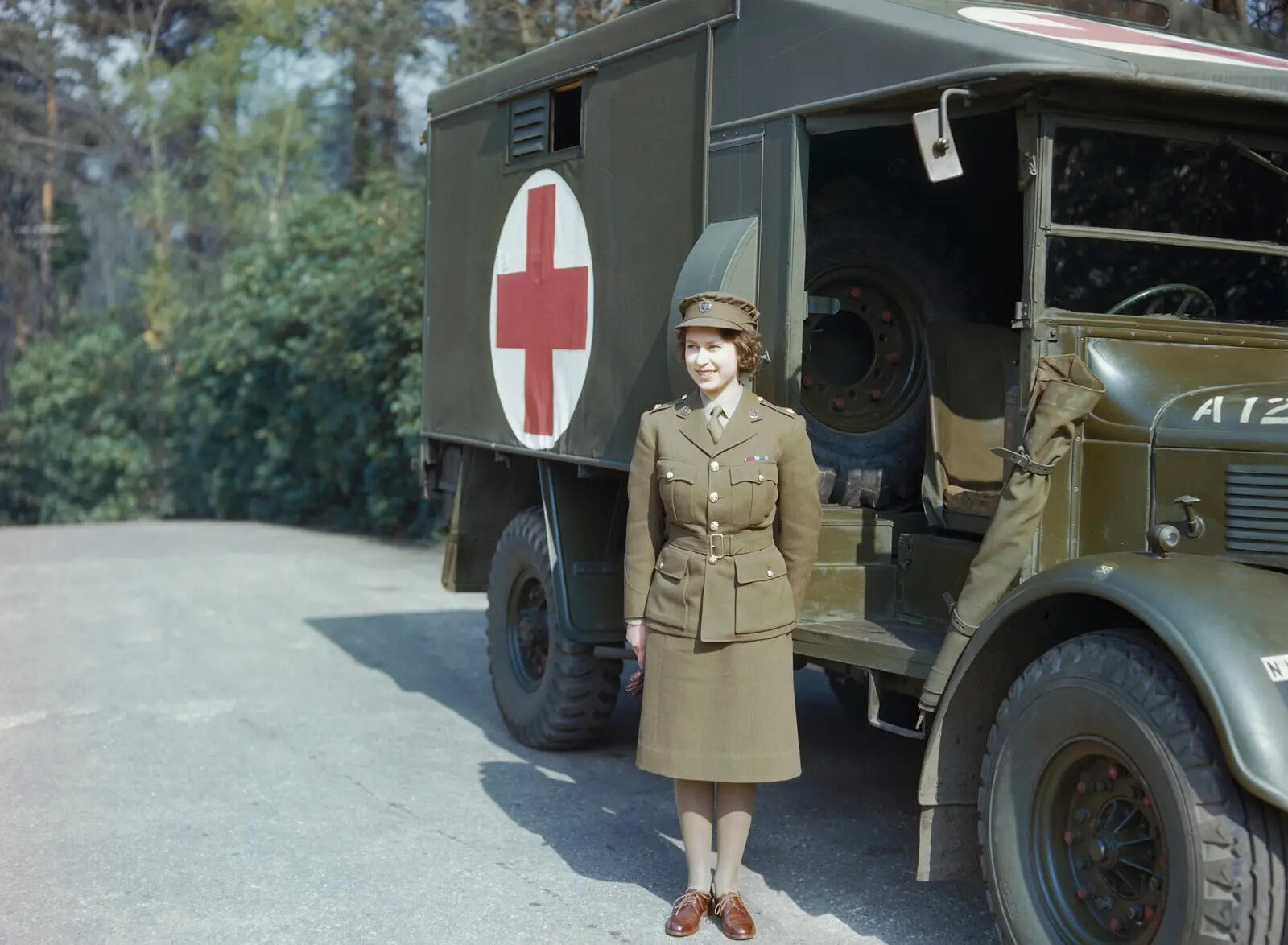
Even before she became an internationally recognised figure of a historic reign, a teenage princess Elizabeth was anxious about finding a distinctive way through which she would help Britain fight the war. Born in an environment protected by her parents in Windsor Castle, amidst the turbulence of World War II, she had a deep desire to shoulder the daily worries of her generation. Whereas most people believe that the members of royalty do not have to experience the challenges faced by their nations during hard times, the then-princess made huge efforts to join the military ranks; she even left the palace to indulge in manual work.
Since the momentous occasion occurred way back in the spring of 1945, well over eighty years have passed; however, her service history is still fascinating for historians and royalists. She dressed up like any other soldier in a regular boiler suit with grease on her hands; she was not bothered about her royal background at all.
Even though most civilians perceive the appointments made by royal members in the military context to be mostly for ceremonial purposes, this time period marked an entirely different aspect of her personality. This unforgettable period was spent in one of the well-disciplined divisions of the British army, contributing greatly to the solid foundation of her long-standing tradition of public service.
Equality through an intense organisation established for actual work
The key element of her war experience was her involvement in the framework of a well-established army structure. In accordance with a study by the National Army Museum titled Auxiliary Territorial Service study , this unique organisation of women was officially declared to be a part of the British army even before its presence there. Such an important aspect makes it clear that the future princess did not enter an elite circle for PR purposes. On the contrary, she joined a functional army division.
The young woman, who would become queen, therefore had to adjust quickly to the rigid schedules of training that recruits were subject to. According to another comprehensive piece in history, The War on Glamour , published by the National Army Museum, joining the ranks of the recruits in February 1945 gave a quick lift to the reputation of the whole company. This was because before she joined, this institution had suffered greatly from the prejudices surrounding the skills of women in handling machinery.
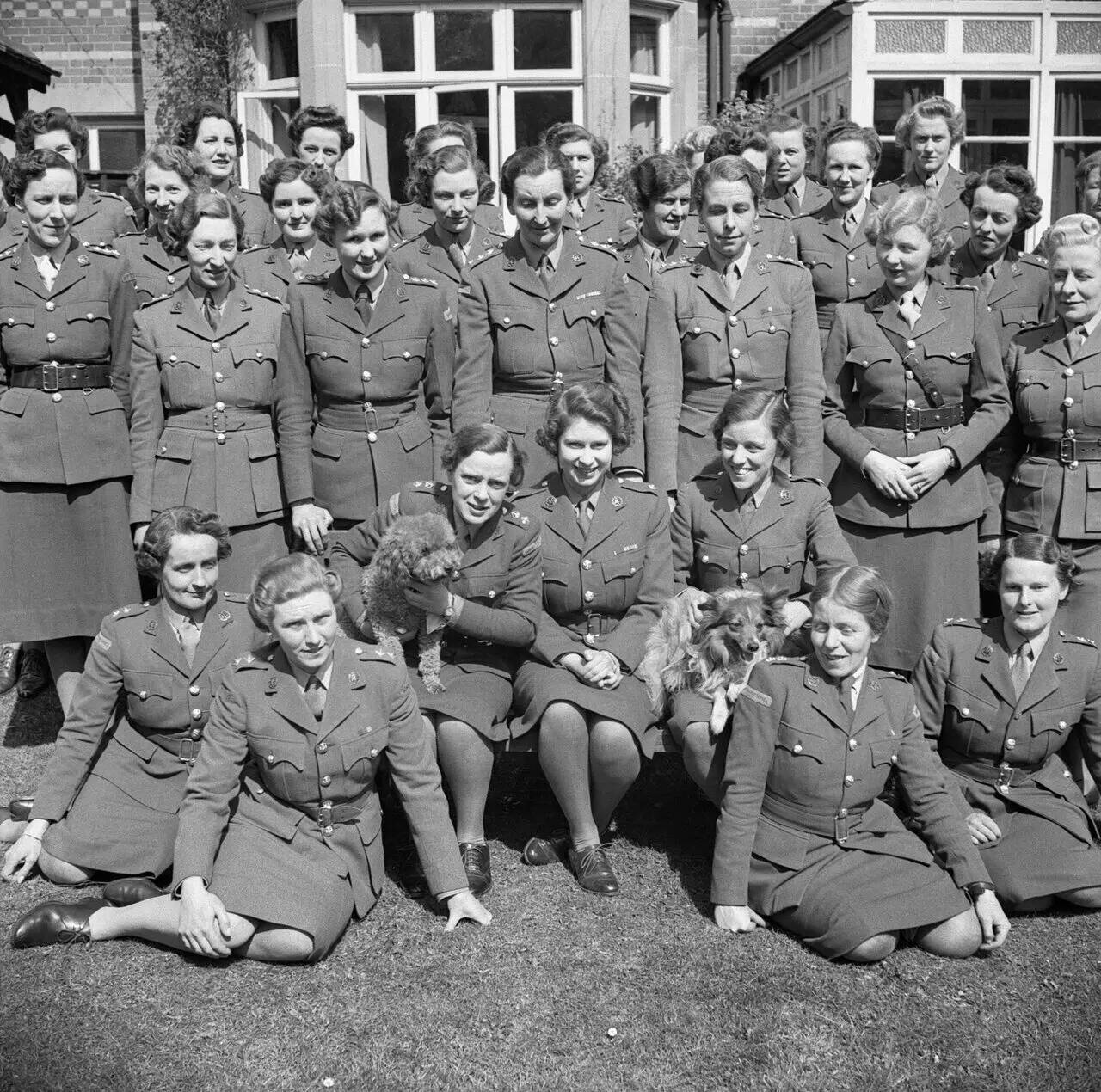
Instead of avoiding the strenuous process and enjoying the quick media attention, the young princess decided to endure through all the challenges of the course. She went through a daily regimen of learning the art of disassembling heavy machinery, changing tyres of big trucks, and navigating convoy drives. It demonstrated that a young lady was ready to accept assessment according to her practical work performance rather than the glorious past of her noble lineage.
Passing the driving course without any privileges
Finally, the moment of the real challenge came when the young royal had to prove herself as a mechanic and driver. The archives at the National Army Museum reveal the fact that she was able to go through the whole driving course, complete her studies and earn certificates for being an authorised mechanic and driver. It was evidence of practical skills and dedication to the job.
During a particular memorable inspection visit at the training base, the young princess was seen doing what she did best as her parents, King George VI and Queen Elizabeth, watched on. This family occasion was rather interesting to witness as it revealed how the queen of the future received commands from a military officer despite the presence of her family members who were standing a considerable distance away.
In conclusion, however, it is the very straightforwardness of this particular era which continues to give it such an enduring charm. In training and qualifying herself to such a standard, she had revealed a certain inner strength which showed a troubled country that she appreciated the notion of public service in all its seriousness, without seeing it as some sort of glamorous pageant, but instead as hard graft and dedication to the cause.