If you describe yourself as a liberal or a progressive, that probably means you have a low opinion of originalism, the school of constitutional thought that is closely identified with the conservative legal movement. The prominent liberal law professor Erwin Chemerinsky, for instance, undoubtedly spoke for many when he denounced originalism as a "dangerous fallacy" that only serves to mask results-oriented judging by the right. "Originalist justices pretend to be doing something different," Chemerinsky has argued, "but they are just as likely to impose their values and views as non-originalist ones."
However, like it or not, originalism is currently the theory to beat in constitutional cases at the U.S. Supreme Court, which is composed of four self-described originalists (Justices Clarence Thomas, Neil Gorsuch, Brett Kavanaugh, and Amy Coney Barrett), plus two others (Chief Justice John Roberts and Justice Samuel Alito), who will sign on to ostensibly originalist decisions while disavowing the label for themselves.
In other words, there are practical reasons for liberals to develop or maintain some fluency in originalism, given the theory's high value these days at SCOTUS.
But might there also be some philosophical reasons for liberals to give originalism a chance?
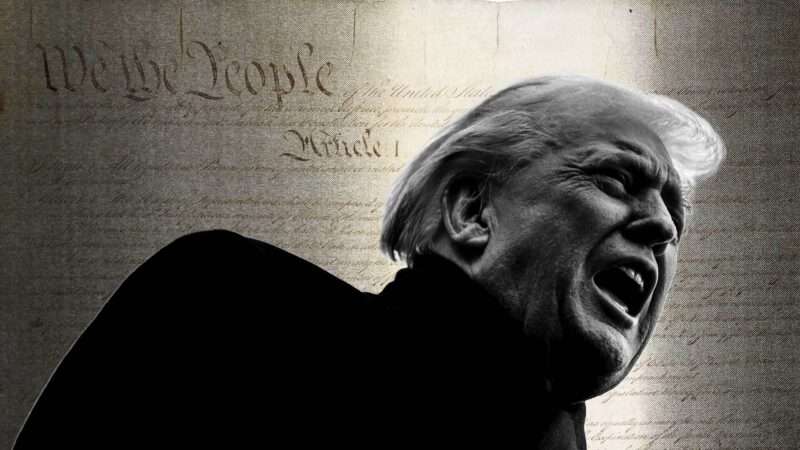
Here's one way to think about it. The original meaning of many constitutional provisions runs counter to the political agenda of President Donald Trump. So why would liberals want to abandon the historical meaning of those provisions in the face of Trump's modern misreading of those provisions?
Or, if you prefer to phrase it more tactically: Why would liberals want to preemptively surrender a portion of the legal battlefield on which the anti-Trump forces hold an advantage?
Take the looming Supreme Court showdown over Trump's executive order purporting to abolish the constitutional guarantee of birthright citizenship for millions of U.S.-born children.
Originalism undermines Trump's position in the birthright citizenship case because the text, history, and original public meaning of the 14th Amendment all point in the opposite direction from Trump's executive order. If you want to stop Trump's illegal decree from going into effect, originalism may help you do it.
Originalism also undermines Trump's position in the tariffs case. Why? Because the framers and ratifiers of the original Constitution placed great weight on the importance of dividing federal power among three separate branches of government.
Yet Trump seeks judicial permission in the tariffs case to unilaterally wield a type of power that the Constitution specifically assigned to the legislative branch, not to the executive. An originalist view of the constitutional authority over tariffs would be fatal to Trump's signature policy.
Of course, all this talk about Trump losing on originalist grounds assumes that the Supreme Court's originalists will practice what they preach. Chemerinsky, the liberal law professor, would call that assumption foolish. He would tell you that those justices will just warp the constitutional text in Trump's favor.
If the main storyline of the current Supreme Court term is the fight over executive power, a secondary storyline centers on the question of whether the Court's conservative justices will emerge with their credibility diminished or enhanced.
The post When Originalism Undermines Trump appeared first on Reason.com.