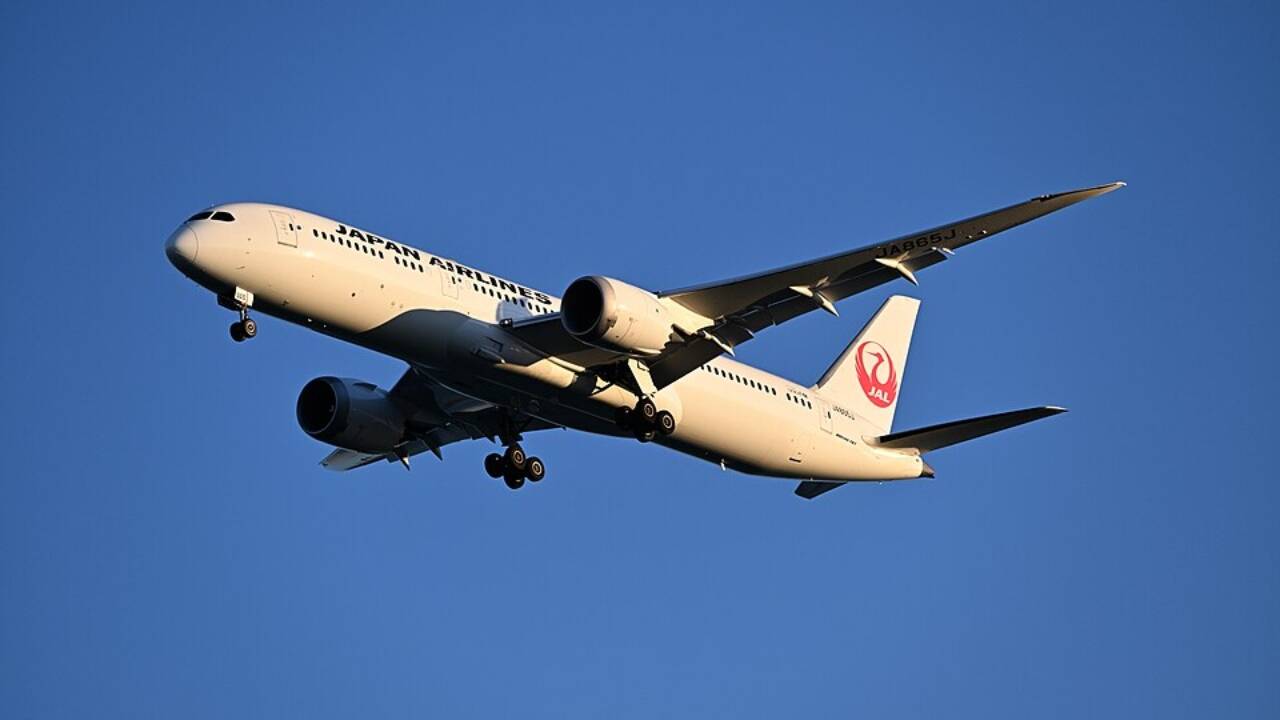
Corporate leaders are often associated with executive perks like private offices, luxury cars, and multimillion-dollar salaries. However, during a global financial crisis in 2009, Japan Airlines (JAL) took a different approach under then-president and CEO Haruka Nishimatsu. In 2009, when the company faced mounting financial losses and company-wide salary cuts, Nishimatsu reduced his own annual pay to about $90,000, commuted to the office using public transport, ate lunch at the employee cafeteria and even removed walls surrounding his office so staff members could approach him freely. His actions were documented in a CBS News interview at the time and have since become a widely cited example of servant leadership in corporate adversity.
Get breaking news anytime, anywhere. Download the TOI app now!
Nishimatsu was leading by example during a time of financial crisis
Due to the global recession, air travel demand had sharply reduced, forcing airlines around the world to cut costs and rethink operations. JAL, one of the most successful airlines at the time, incurred billions of yen in losses and was preparing for extensive restructuring. As the company implemented salary cuts that affected employees across the organisation, CEO Haruka Nishimatshu decided that the leadership team should share the burden with ordinary employees rather than remaining insulated from it.
CBS reported that the then-CEO’s annual salary fell to as little as $90,000 during this period, which is far below the compensation packages typically associated with airline executives. Moreover, according to CBS, rather than viewing the reduction as a sacrifice, Nishimatshu claimed that the leaders needed to experience the same economic reality as their employees. Notably, Nishimatshu’s philosophy extended well beyond his salary as he opted to commute using Tokyo’s public bus network rather than arriving in chauffeured vehicles. Additionally, the then-CEO even preferred to buy affordable business suits rather than use luxury brands and regularly ate with his employees at the staff cafeteria rather than eating in executive spaces.
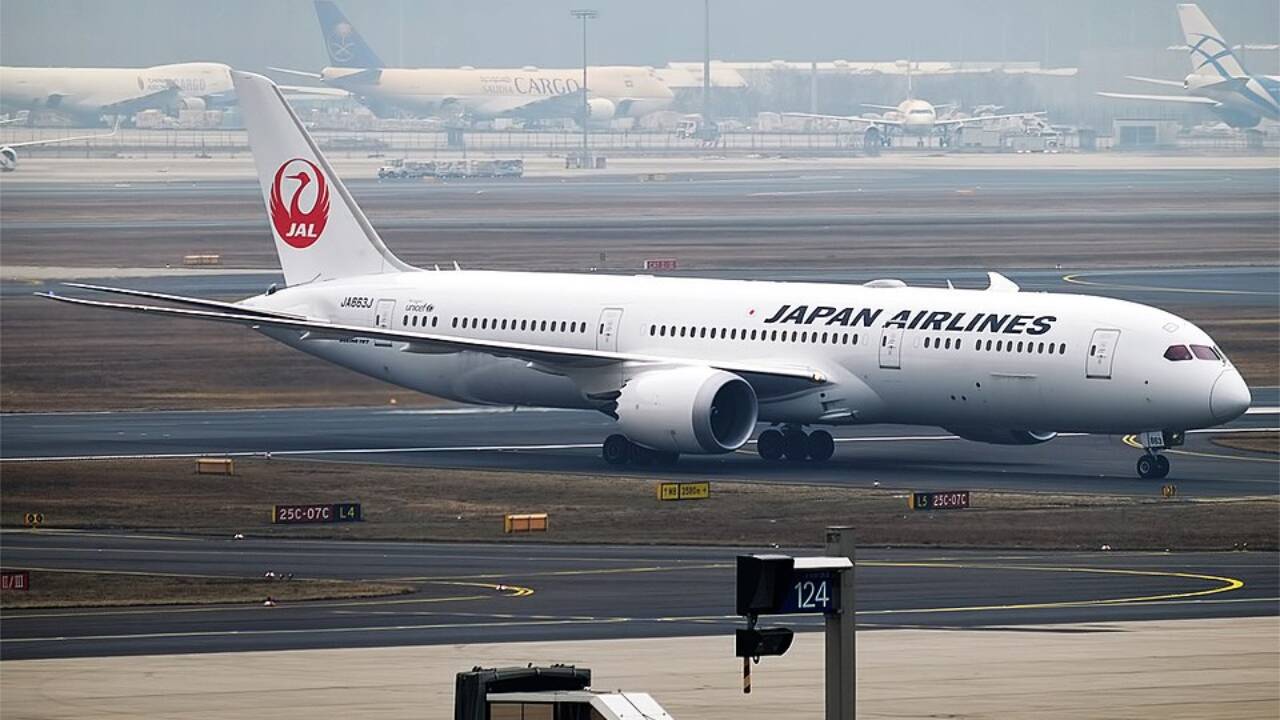
One of the most symbolic changes he made was his decision to remove the walls around his office, as he believed that the open layout allowed employees from across the company to walk in comfortably and ask questions and share concerns without the layers of management. While speaking to the CBS News reporter, Nishimatsu explained that if management is distant, up in the clouds, people just wait for orders. Instead, he wanted his employees to think freely and feel comfortable raising issues directly.
A leadership philosophy built on shared sacrifice
Nishimatsu’s approach reflected a broader philosophy of leadership centred on accountability, as he argued that when customers had a poor experience, the responsibility ultimately rested on the management rather than the frontline employees alone. Similarly, when financial hardship forced a company to reduce employees’ compensation, executives should also bear part of the burden. Interestingly, Nishimatsu’s leadership style also drew comparisons with other airline executives, including Southwest Airlines CEO Gary Kelly, who believed, as reported by CBS, that organisations could not succeed if leaders treated themselves differently from their employees.
Although Japan Airlines later underwent bankruptcy protection and major restructuring before returning to profitability, Nishimatsu’s leadership style remains one of the most frequently cited examples of humble leadership in the corporate world. At a time when executives were criticised for maintaining lavish lifestyles despite widespread layoffs and salary cuts, Nishimatsu chose visibility, accessibility and personal sacrifice, which left a lasting impact on employee morale during periods of crisis.