
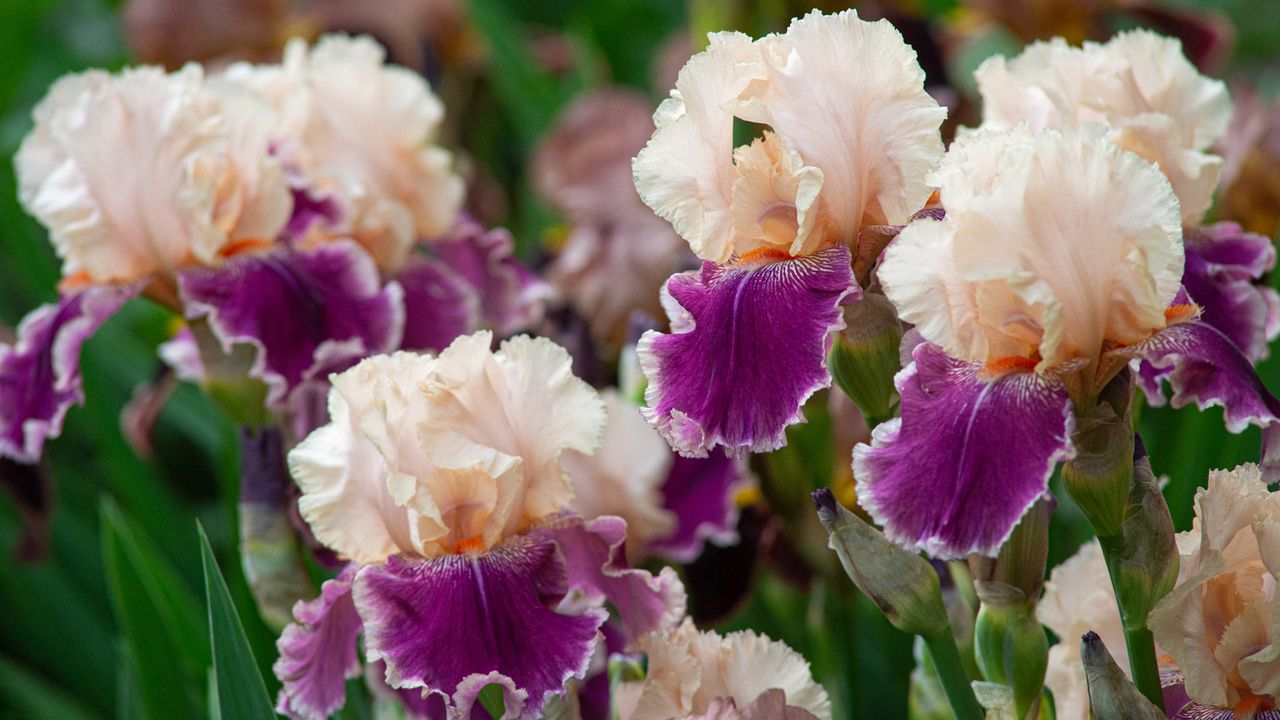
Spring is a critical time for irises, and in May, you'll need to think about feeding them with a balanced fertilizer, watering them deeply (but infrequently) at the roots, and removing spent flowers.
Irises are a reliable addition to any garden, no matter whether you grow them in beds or containers. They provide a glorious pop of color when their flowers appear in spring, and bearded irises – the most popular garden variety – are impressively drought-tolerant once established.
With this in mind, knowing how to grow irises is a rewarding task; you'll just need to keep on top of a few crucial jobs before summer arrives. Below, we share our top tips on how to care for irises in May. (And if you want to add some to your garden, you can pick up a Caesar's Brother Siberian Iris from Plant Addicts.)
1. Use a Balanced Fertilizer
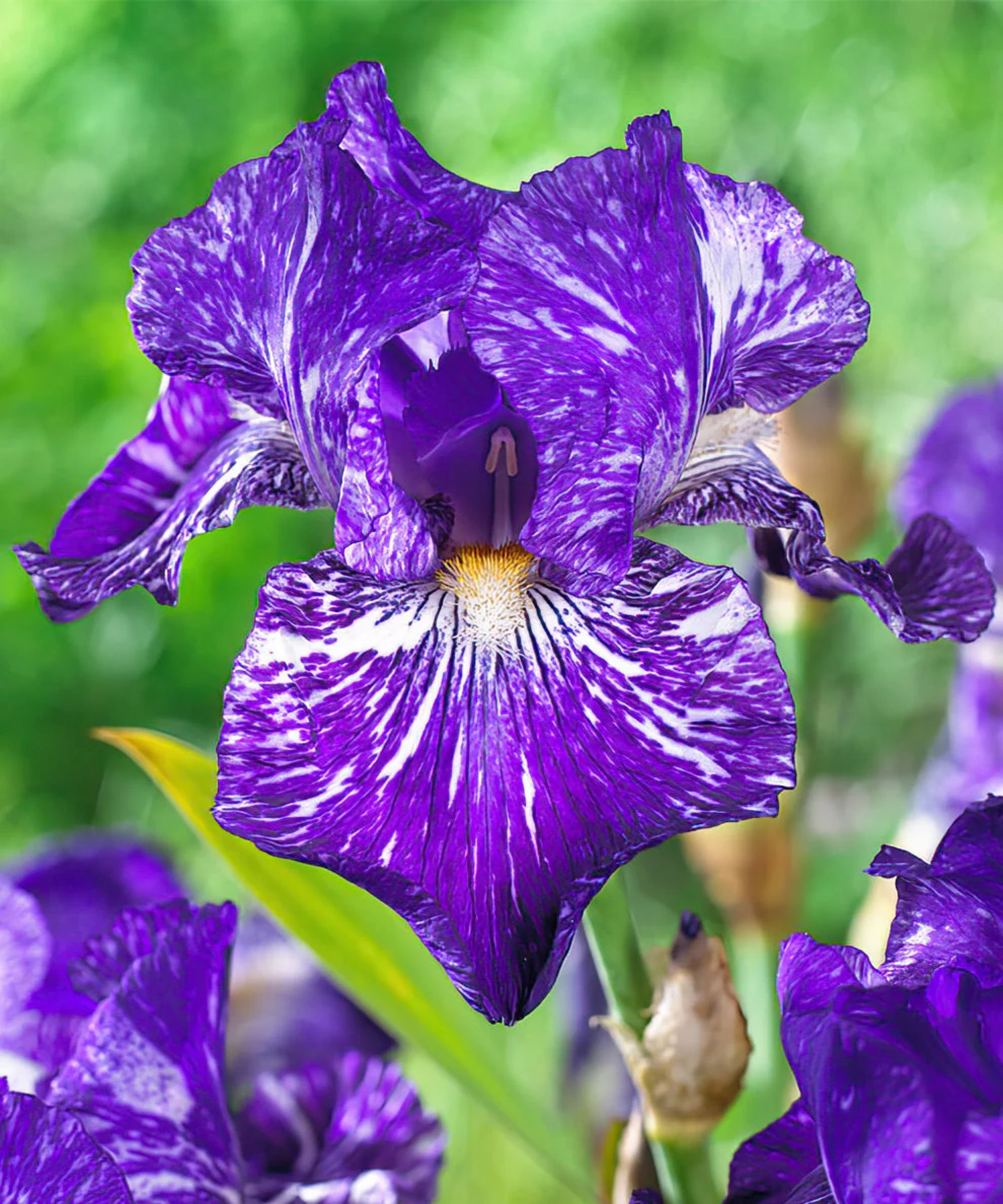
If you've been wondering when to fertilize irises, now is the perfect time. In May, irises are getting ready to put on a gorgeous display, so they'll need a good feed to support their growth.
Applying a balanced, slow-release fertilizer is best; most gardeners will choose a 5-10-10 or 6-10-10 plant food (like this liquid iris fertilizer from Amazon). Adding alfalfa pellets (which you can also find at Amazon) can also give your irises an extra boost.
Whatever fertilizer you choose, ensure that it is not nitrogen-rich: high nitrogen levels will encourage more leafy growth rather than flowers, and it can also leave your irises more vulnerable to pests.
2. Water Deeply
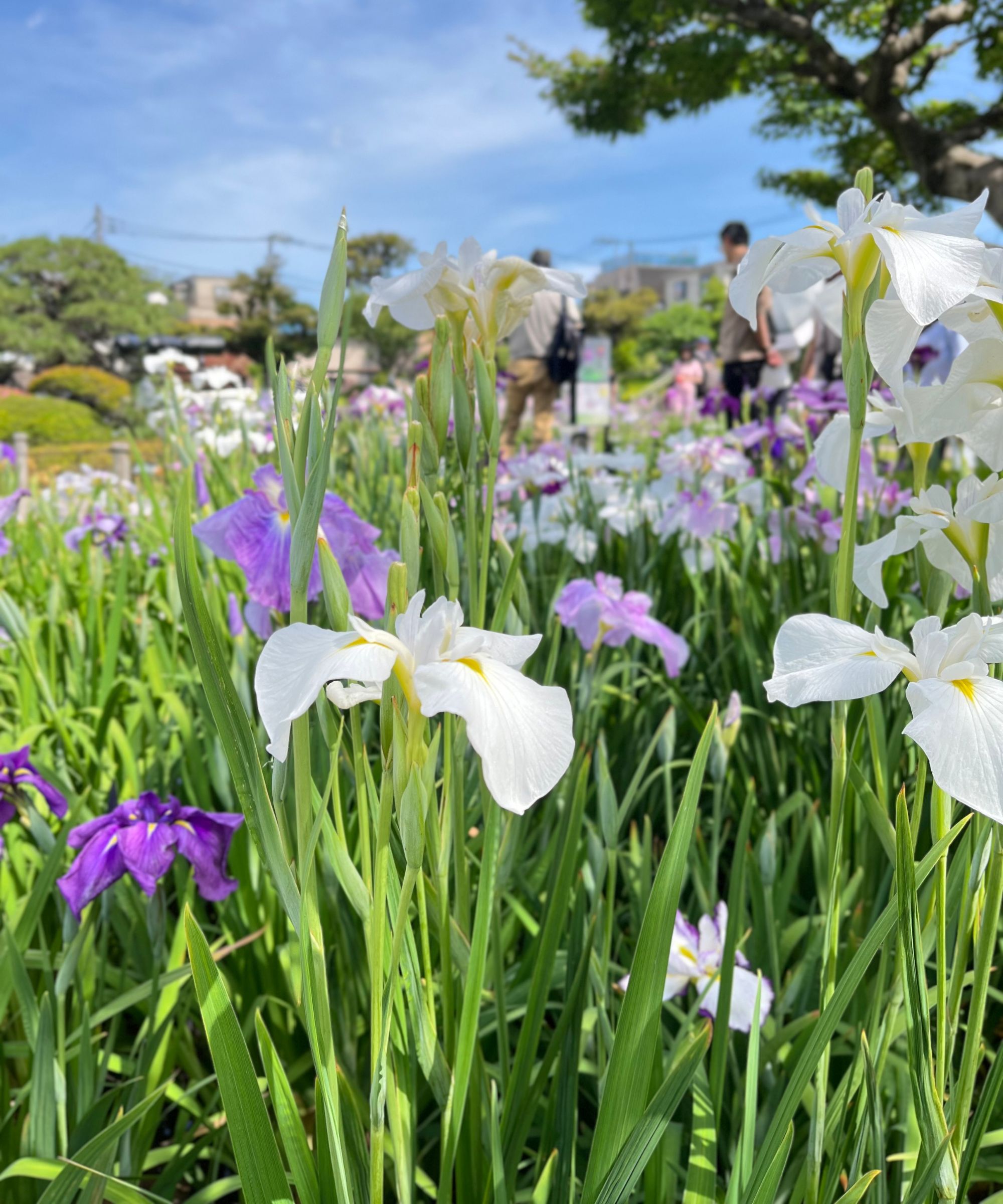
If you've been hunting for drought-tolerant planting ideas, irises are a brilliant choice. They thrive in full sun and well-draining soil, and they don't require constant watering once established – but you will need to practice infrequent but deep watering at this time of year.
Ultimately, balance is key: too much water can lead to root rot, but irises will still get thirstier as temperatures rise.
During dry spells, watering your irises roughly once a week should suffice; you can use a soil moisture meter, like this one from Walmart, to check on the soil and ensure that it is dry enough before watering again.
3. Deadhead Carefully
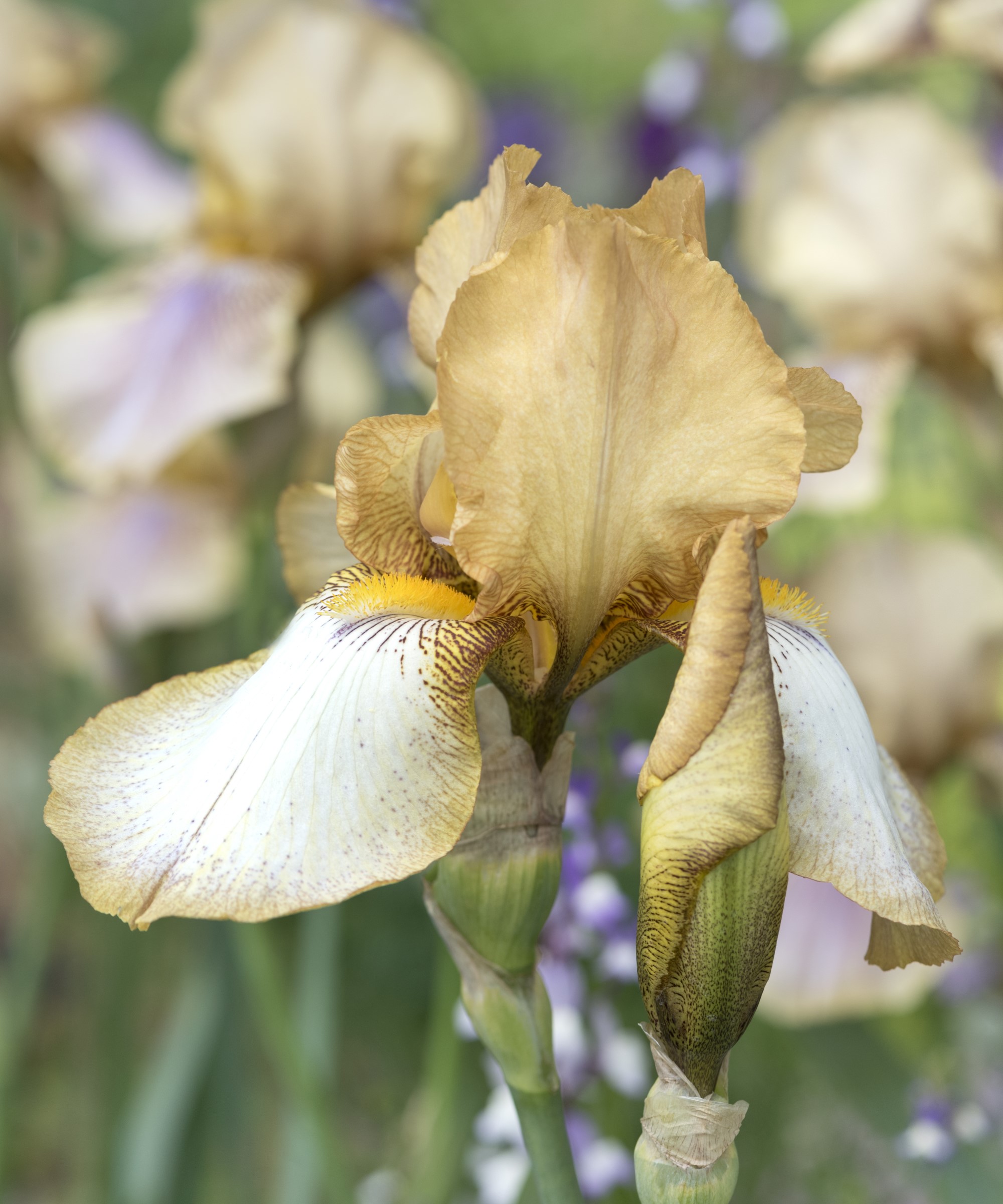
'It's vital to know what to do with irises after they bloom, and I'm always watching for any faded flowers in May,' explains Rachel Bull, Head of Gardens at Homes & Gardens. 'I deadhead spent blooms as they begin to fade, as this encourages newer flowers to last for as long as possible.'
Investing in essential pruning tools is especially wise at this time of year; a reliable pair of pruning snips, like these micro-tip pruning snips from Home Depot, are crucial for tasks like deadheading.
4. Avoid Mulching
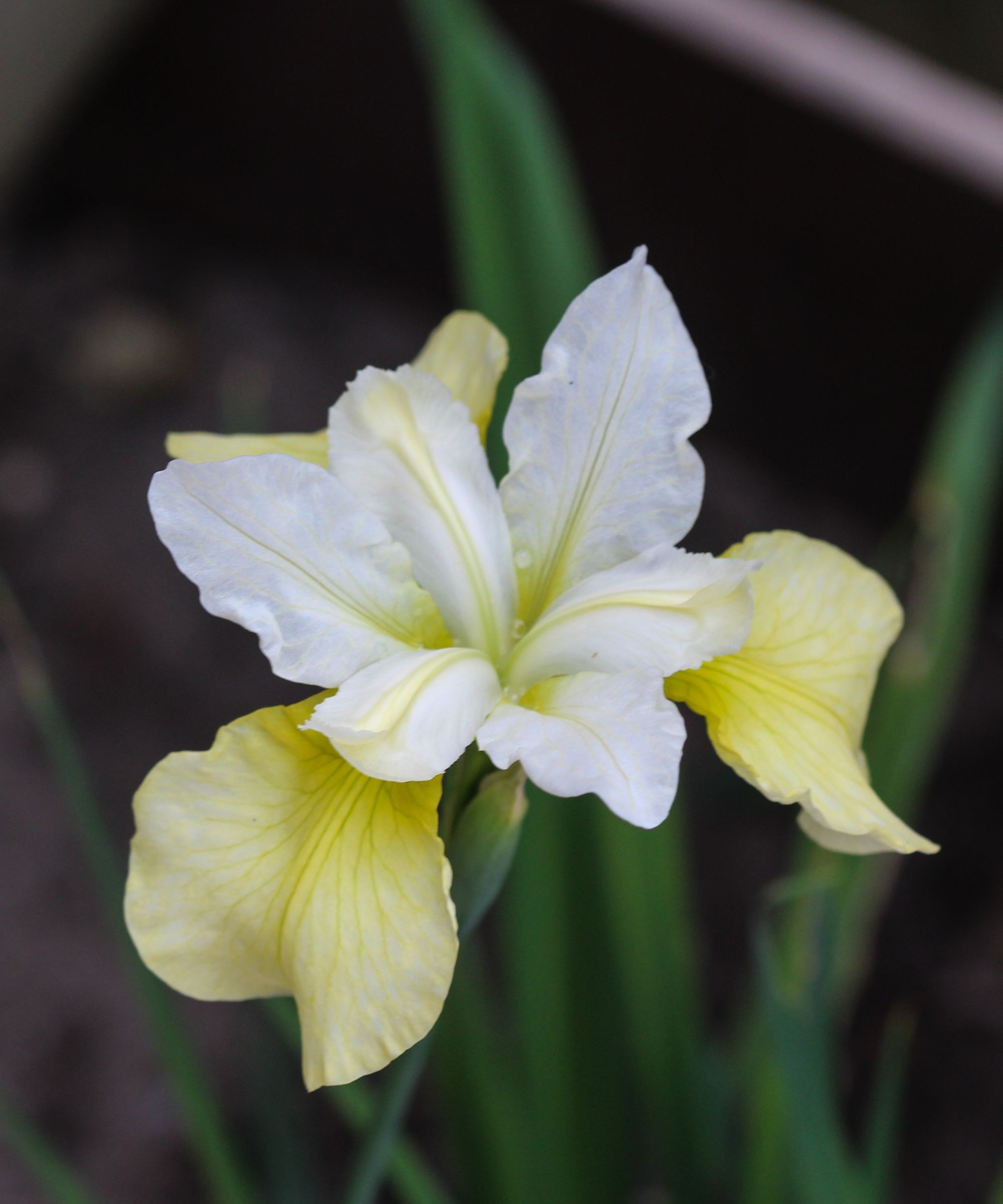
While mulching is beneficial for a range of plants in the spring, irises are particularly sensitive to moisture – and since mulch helps to retain moisture in the soil, it's best to hold off right now.
'One thing I would avoid doing is mulching,' says Rachel. 'You don't want to encourage those rhizomes to rot when the ground is getting warmer but still has a lot of moisture in it.'
5. Plan For the Next Season
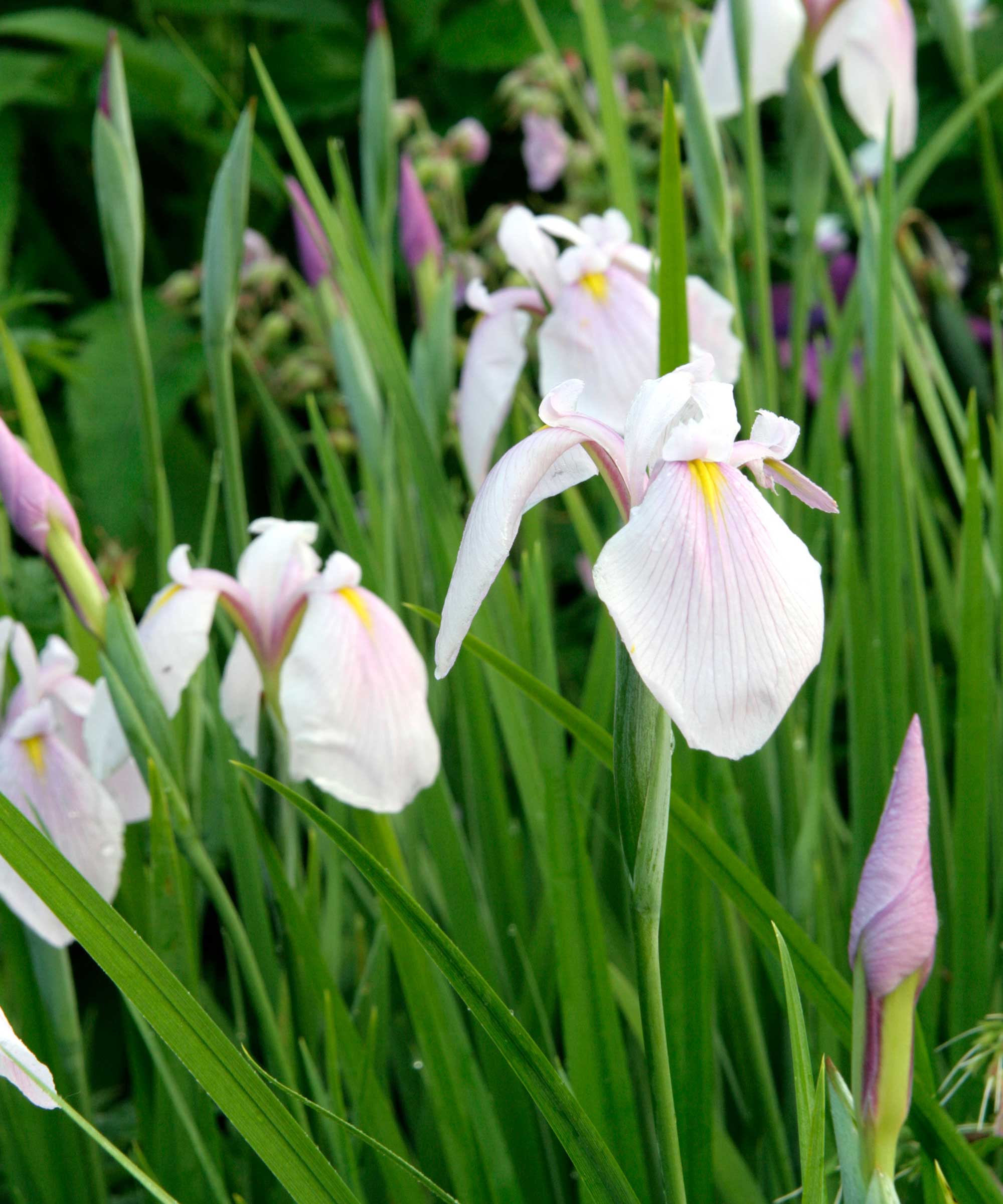
It might sound hasty, but May offers a brilliant opportunity to examine your irises and start planning your next display.
'You'll see clearly how much your plants have multiplied by now, so it's also a good time to think about where you might want to divide clumps and split your irises later in the year,' says Rachel.
'While the flowers and foliage are fresh, make a note of any overcrowding, and this about where you might want to create a new patch of iris next year.'
What to Shop
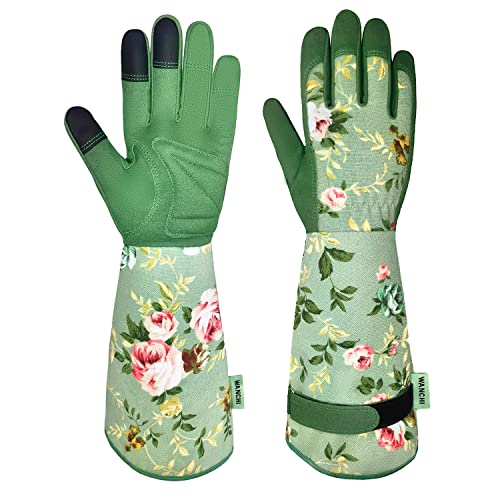
These gardening gloves are the perfect combination of style and practicality: they protect hands and arms when tending to the garden, and they have a gorgeous floral pattern.
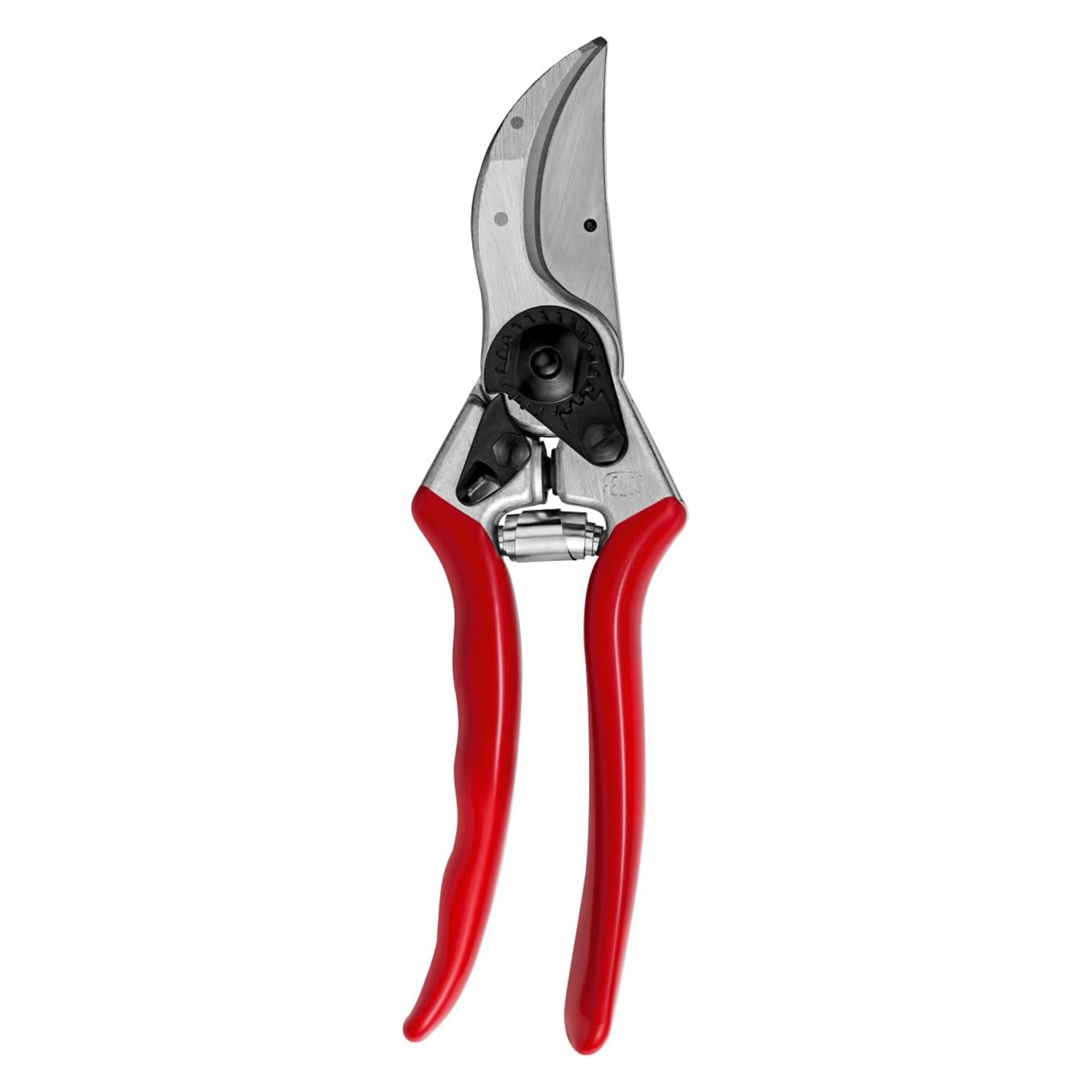
These are often described as the best pruners on the market, and they're a brilliant addition to any gardener's toolkit. They are comfortable, hard-wearing, and razor-sharp.
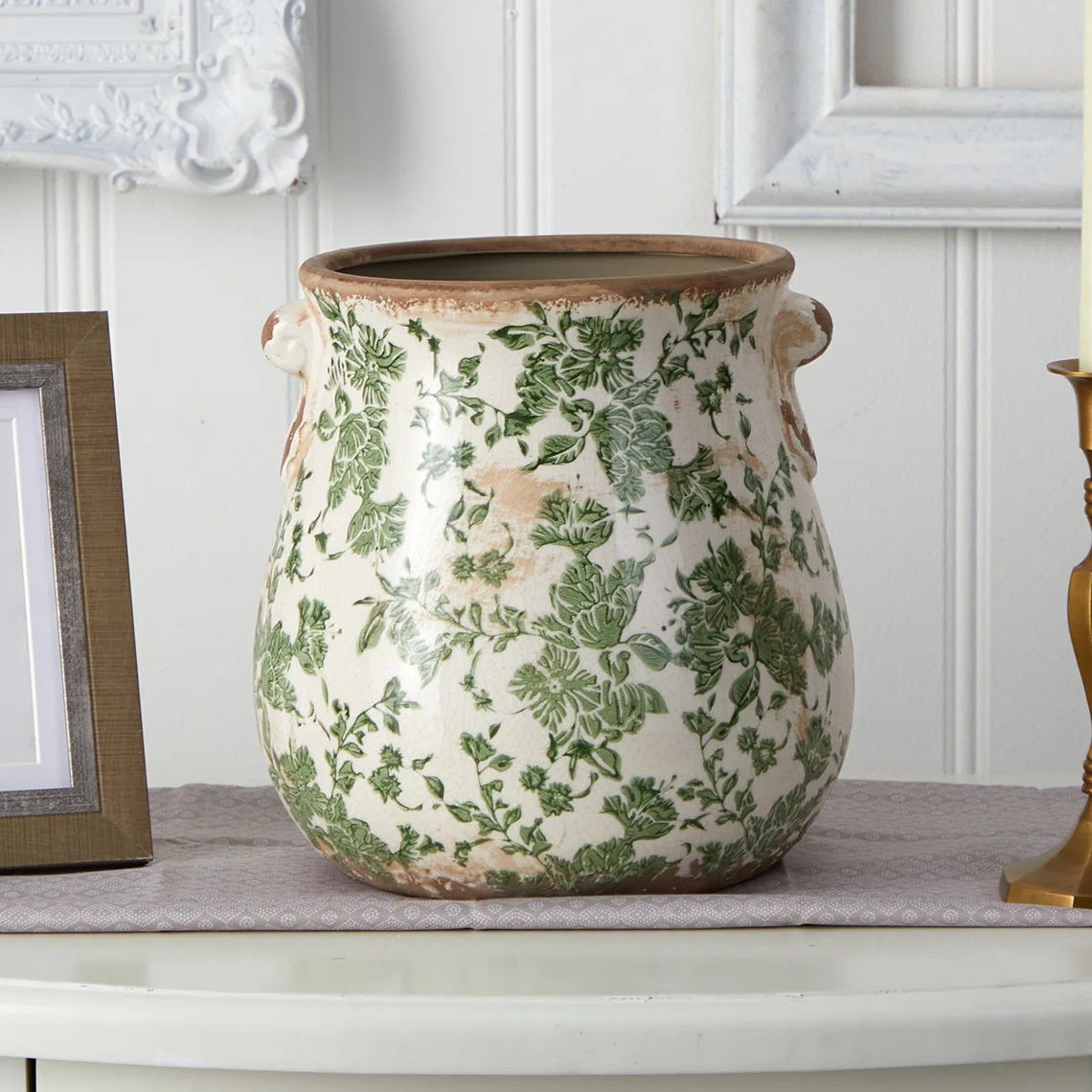
Irises are some of the best drought-tolerant plants for pots – and if you want to add them to your container garden, I'd use this handsome ceramic planter, which features an elegant botanical design.
If you're in need of more advice, check out our guide to the best bearded iris varieties (and how to grow bearded irises), alongside all the best non-bearded iris varieties.
And if you love inspiring garden ideas, outdoor advice, and the latest news, sign up for our newsletter and get the latest features delivered straight to your inbox.