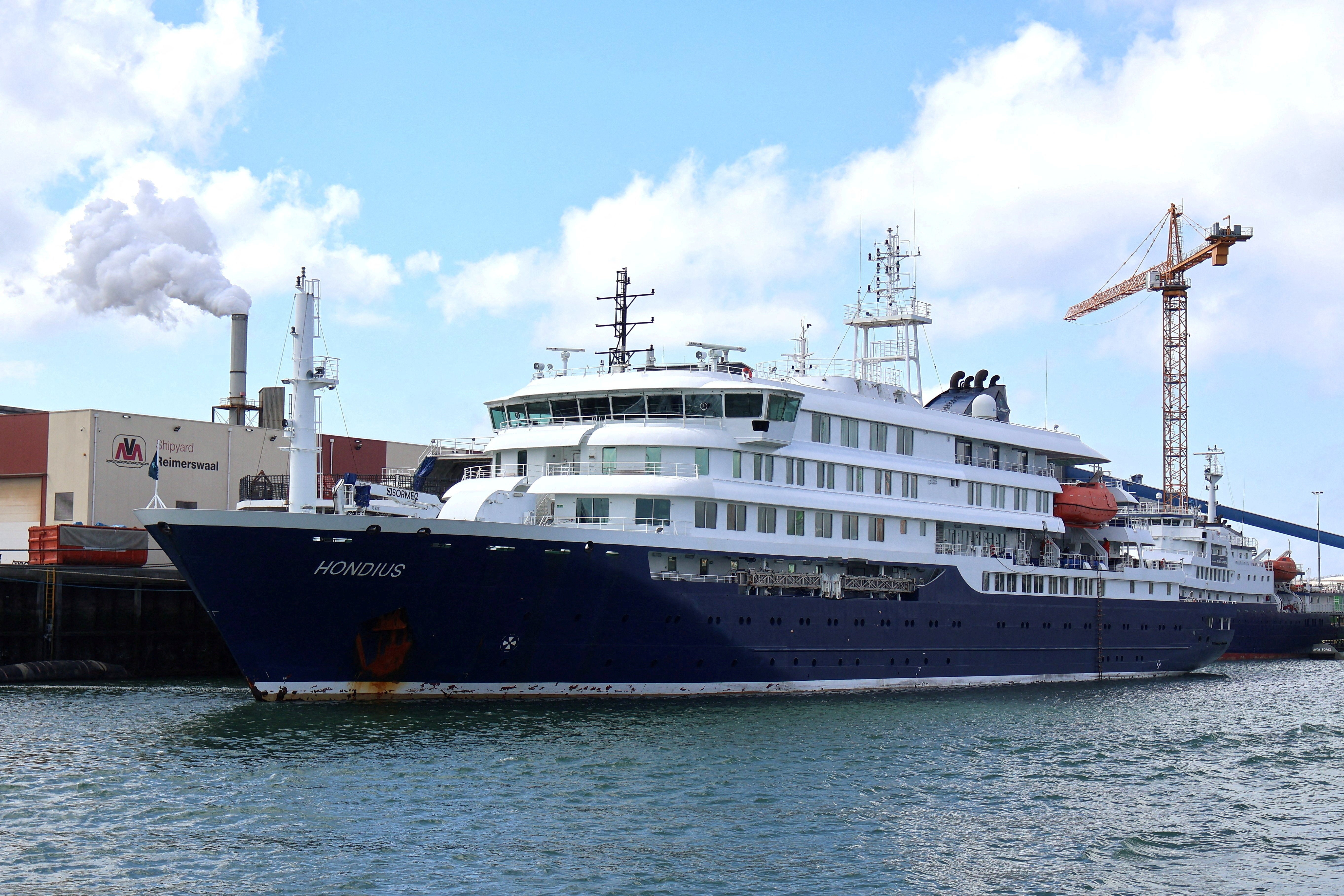
A suspected hantavirus outbreak aboard a cruise ship has claimed three lives.
The 20 British passengers evacuated from a cruise ship hit by a hantavirus outbreak arrived at an isolation facility after their repatriation flight landed in the UK on Sunday.
The World Health Organisation (WHO) said on Tuesday there were eleven confirmed cases of hantavirus and nine of those cases were confirmed as the Andes strain.
Hantaviruses, which have been present for centuries, have a documented history of outbreaks across Asia and Europe, but they rarely pass between humans.
In the Eastern Hemisphere, these viruses have been associated with severe conditions such as haemorrhagic fever and kidney failure.
A distinct group of hantaviruses emerged in the early 1990s in the southwestern United States, leading to the acute respiratory disease now known as hantavirus pulmonary syndrome.
The disease garnered significant attention in 2025 following the death of Betsy Arakawa, wife of actor Gene Hackman, from a hantavirus infection in New Mexico.
What is hantavirus?
Hantavirus is mainly spread by contact with rodents or their urine, saliva or droppings, particularly when the material is disturbed and becomes airborne, posing a risk of inhalation.
People are typically exposed to hantavirus around their homes, cabins or sheds, especially when cleaning out enclosed spaces with little ventilation or going into areas where there are mouse droppings.
Hantavirus is “such a severe disease” there are global efforts to try and develop vaccines against it, according to Professor Robin May, chief scientific officer at the UK Health Security Agency (UKHSA). The virus is widespread around the world.
“This one, in particular, the Andean strain, is the only one for which there is some evidence in the past of human-to-human transmission, and so that’s obviously our primary focus here,” he told BBC Breakfast.
The US Centers for Disease Control and Prevention began tracking the virus after a 1993 outbreak in the Four Corners region – the area where Arizona, Colorado, New Mexico and Utah meet.
It was a doctor with the Indian Health Service who first noticed a pattern of deaths among young patients, said Michelle Harkins, a pulmonologist with the University of New Mexico Health Sciences Center who for years has been studying the disease and helping patients.
Most US cases are in Western states. New Mexico and Arizona are hotspots, Dr Harkins said, likely because the odds are greater for mouse-human encounters in rural areas.
A couple’s bird-watching trip while in Argentina may explain how the virus got onto the ship, officials investigating the outbreak said. The pair may have been exposed to infected rodents while birdwatching at a landfill site in Ushuaia.

Symptoms of hantavirus
An infection can rapidly progress and become life-threatening. Experts say it can start with symptoms that can include:
- Fever
- Chills
- Muscle aches
- Headache
“Early in the illness, you really may not be able to tell the difference between hantavirus and having the flu,” said Dr Sonja Bartolome of UT Southwestern Medical Center in Dallas.
Symptoms of hantavirus pulmonary syndrome usually show between one and eight weeks after contact with an infected rodent. As the infection progresses, patients might experience tightness in the chest as the lungs fill with fluid.
The other syndrome caused by hantavirus — haemorrhagic fever with renal syndrome — usually develops within a week or two after exposure.
Death rates vary depending on which hantavirus causes the illness. Hantavirus pulmonary syndrome is fatal in nearly 40 per cent of people infected, while the death rate for haemorrhagic fever with renal syndrome varies from 1 per cent to 15 per cent of patients, according to the CDC.
How to prevent hantavirus
There is no specific treatment or cure, but early medical attention can increase the chance of survival.
Despite years of research, Dr Harkins said many questions have yet to be answered, including why the illness can cause mild symptoms for some people and very severe symptoms for others. She and other researchers have been following patients over long periods of time in hopes of finding a treatment.
“A lot of mysteries,” she said, noting that what researchers do know is that rodent exposure is a key.
The best way to avoid infection is to minimise contact with rodents and their droppings, and use protective gloves and a bleach solution for cleaning up rodent droppings.
Public health experts caution against sweeping or vacuuming, which can cause the virus to get into the air.
How is hantavirus different from Covid?
Unlike Covid, most hantaviruses do not spread between humans, although person-to-person transmission is possible.
Health officials have assured the public that there is no risk of a global outbreak following the passengers’ disembarkation.
The chief of the WHO, Tedros Adhanom Ghebreyesus, said: “This is not another Covid. The current public health risk from hantavirus remains low. My colleagues and I have said this unequivocally, and I will say it again to you now.”
How many people are isolating?
Health chiefs have been tracing individuals on the boat and the contacts they made on shore in South America.
There are currently several passengers and staff from the MV Hondius who are isolating, including two Britons who returned to the UK independently before being aware of the hantavirus outbreak, and are isolating at home.
There are two confirmed cases in British nationals. One is a 69-year-old man, who was taken to South Africa on 27 April and is receiving care in Johannesburg.
The other is Martin Anstee, 56, who was an expedition guide on board the MV Hondius. He was taken off the ship on Wednesday and flown to the Netherlands, where he is receiving care.
There is also now a third suspected case in a British national reported on the remote island area of Tristan da Cunha, in Saint Helena, where passengers on the cruise ship had disembarked last month.
Health chiefs are also aware of seven British nationals who disembarked the ship at St Helena on 24 April; four of these individuals remain in St Helena. One individual has been traced outside of the UK in Tristan da Cunha.
The UKHSA said people may need to be isolated for 45 days, but reassured the risk to the public “remains very low.”
Prof May said: “So with all transmissible diseases, we undertake contact tracing after the first case is identified. And this one, of course, has been a very intense effort, and I’m very grateful for both people within the organisation and all those members of the public who’ve helped us with this.
“So it’s been quite a mammoth effort. We will continue to do that if other information arises.”
He explained family members, people who might have shared a room on the cruise or sat directly next to somebody on a long-haul flight, will be contacted.
He added: “We’re not including people who may be very transient contacts – such as who you might have walked past in the airport – because the risk of transmission there is extremely low.”
Doctors told hantavirus patient her symptoms were ‘anxiety’
Spain reports new hantavirus case in passenger evacuated from cruise ship as outbreak grows to 11
Hantavirus: Some passengers on board cruise were ‘facing mental breakdown’
Scientists rename Polycystic Ovary Syndrome in bid to halt delayed diagnoses
Blood test breakthrough could detect heart and kidney disease earlier than ever
Reading or going to a museum ‘could be as important as exercise in slowing ageing’