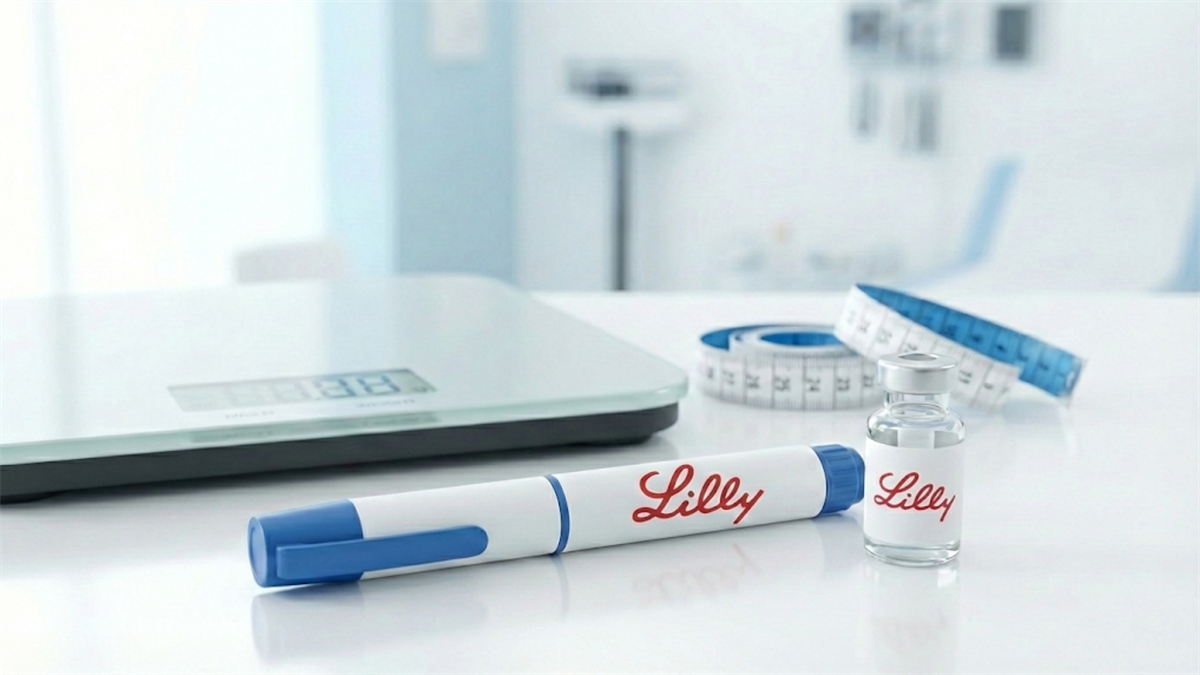
Eli Lilly and Company (NYSE: LLY) and Novo Nordisk A/S (NYSE: NVO) are two weight-loss and diabetes drug stocks that have been on completely different trajectories. Since the start of 2025, LLY is up nearly 30%, while NVO has plummeted more than 30%.
This comes as Eli Lilly has taken massive market share from Novo. In its latest quarter, Eli Lilly posted revenue growth of 56% year over year (YOY). For the full-year 2026, the midpoint of Lilly’s guidance implies growth of 28% YOY.
Meanwhile, Novo expects its constant currency sales to fall by 5% to 13% YOY in 2026, a massive step down from growth of 36% in 2023. Much of the difference in their revenue growth is due to Lilly’s GLP-1 tirzepatide. Branded as Mounjaro and Zepbound, the drug induces around 47% more weight loss than Novo’s semaglutide.
Despite their battle, the companies recently received news that both can cheer about. The Food and Drug Administration has proposed to exclude tirzepatide and semaglutide from its 503B bulk list. Here’s what that means for Lilly and Novo going forward.
FDA Looks to Stop 503B Compounding for Good—Lilly and Novo Score
When an approved drug is in shortage, the FDA allows 503A compounding pharmacies and 503B outsourcing facilities to compound copies of the drug. After the FDA added tirzepatide and semaglutide to the shortage list in 2022, companies like Hims & Hers Health built businesses around compounding GLP-1s. Hims has utilized both 503A and 503B facilities to source its drugs in the past.
Shortages for both drugs ended between 2024 and 2025, but Hims operated in a legal gray area to continue selling. According to Pharmacy Times, the proposal's passing would “foreclose any future pathway” for 503B facilities to compound the drugs, “even in the event of a new shortage designation." In other words, there would be no going back.
For Lilly and Novo, this would be a clear win. Compounders have siphoned off demand for their drugs that would otherwise go to them. The proposal would remove the ability of 503B facilities to do this in the future. For 503A, that future opportunity is still there, although it is technically prohibited to sell these drugs under that status, as the shortages are over. Still, Hims clearly demonstrates how regulators have not fully enforced this.
Notably, Novo shares rose by 4.8% on the day of this April 30 announcement, showing that investors saw it as a meaningful piece of positive news. Lilly rose 9.8% that day, and though the announcement coincided with the firm’s highly impressive earnings report, it is likely that the news also contributed to Lilly’s significant gain.
Hims Gains as Investors Weigh Compounding Regulation
For Hims and Hers, the benefit is more nuanced but still legitimate. The company recently signed a deal with Novo, allowing it to formally sell semaglutide and oral semaglutide. With this proposal, the group of compounders that Hims competes with weakens.
With its Novo agreement, Hims can sell branded (AKA non-compounded) versions of the company’s GLP-1s. This means that the FDA proposal should not limit Hims's ability to sell Novo’s drugs. However, it would impact the ability of some compounders to do the same in the future, putting Hims in a stronger position.
In a statement to Reuters, a Hims & Hers spokesperson said the company does not expect the proposal to impact its business. Hims noted that “there are no GLP‑1s compounded by 503B facilities accessible through our platform.” Hims shares rose by approximately 3.2% on the day of the proposal.
Hims can also continue to sell Lilly’s drugs. However, the firm does not have the same type of agreement that it does with Novo. Accessing Lilly’s drugs through Hims acts more like a referral arrangement, directing users to Lilly. Hims' own announcement says, “Access to Zepbound and Foundayo does not imply a partnership or affiliation with Eli Lilly and Company."
Due to this, it’s very unlikely that Hims receives any direct financial benefit from offering Lilly’s drugs. However, Hims may be able to gain or retain members who would have looked to other telehealth platforms to access Lilly’s treatments.
Lilly Continues to Dominate the GLP-1 Arena
Overall, Eli Lilly and Novo should get added protection for their valuable GLP-1 drugs. The proposal is not final at this point. However, as it came from the decision-maker itself (the FDA), it is likely to be enacted.
Hims is an under-the-radar winner from the proposal on the semaglutide side, given its formally established relationship with Novo.
However, among these names, Eli Lilly is clearly in the strongest position. The company demonstrated that it doesn’t need to make a deal with Hims like Novo did. Rather, it is taking all the spoils from its top-performing weight-loss and diabetes medications.
Where Should You Invest $1,000 Right Now?
Before you make your next trade, you'll want to hear this.
MarketBeat keeps track of Wall Street's top-rated and best performing research analysts and the stocks they recommend to their clients on a daily basis.
Our team has identified the five stocks that top analysts are quietly whispering to their clients to buy now before the broader market catches on... and none of the big name stocks were on the list.
They believe these five stocks are the five best companies for investors to buy now...
The article "What the FDA's Latest Proposal Means for Lilly, Novo, and Hims" first appeared on MarketBeat.