If you’re dreaming of a lush green lawn, you might wake up to discover a nightmare. That perfectly manicured lawn is likely to be looking a little sadder this year as the heatwave takes hold.
Scorching heat and limited rainfall mean that even the most dedicated gardeners will struggle to keep their lawns immaculate at the moment. Besides, when water is scarce, we need to be cautious about how much we use in our yards.
As the effects of climate change take hold, it certainly seems the right time to reconsider how we plant out our yards. Instead of opting for thirsty grasses and flowers in our beds, the sensible option is to adapt to the environment.
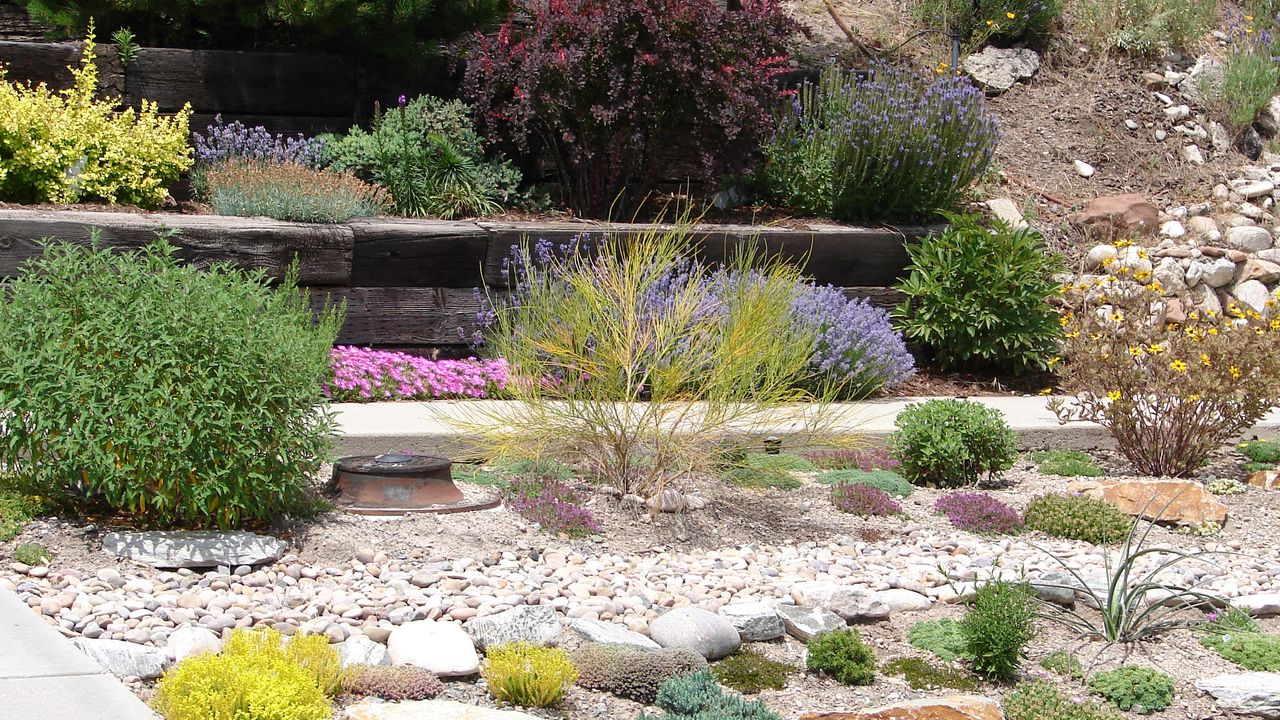
And this is exactly what gardeners in Colorado are doing. They are turning to xeriscaping, a form of landscaping that favors native plants, which require less water to keep their yards looking lush.
What is xeriscaping?
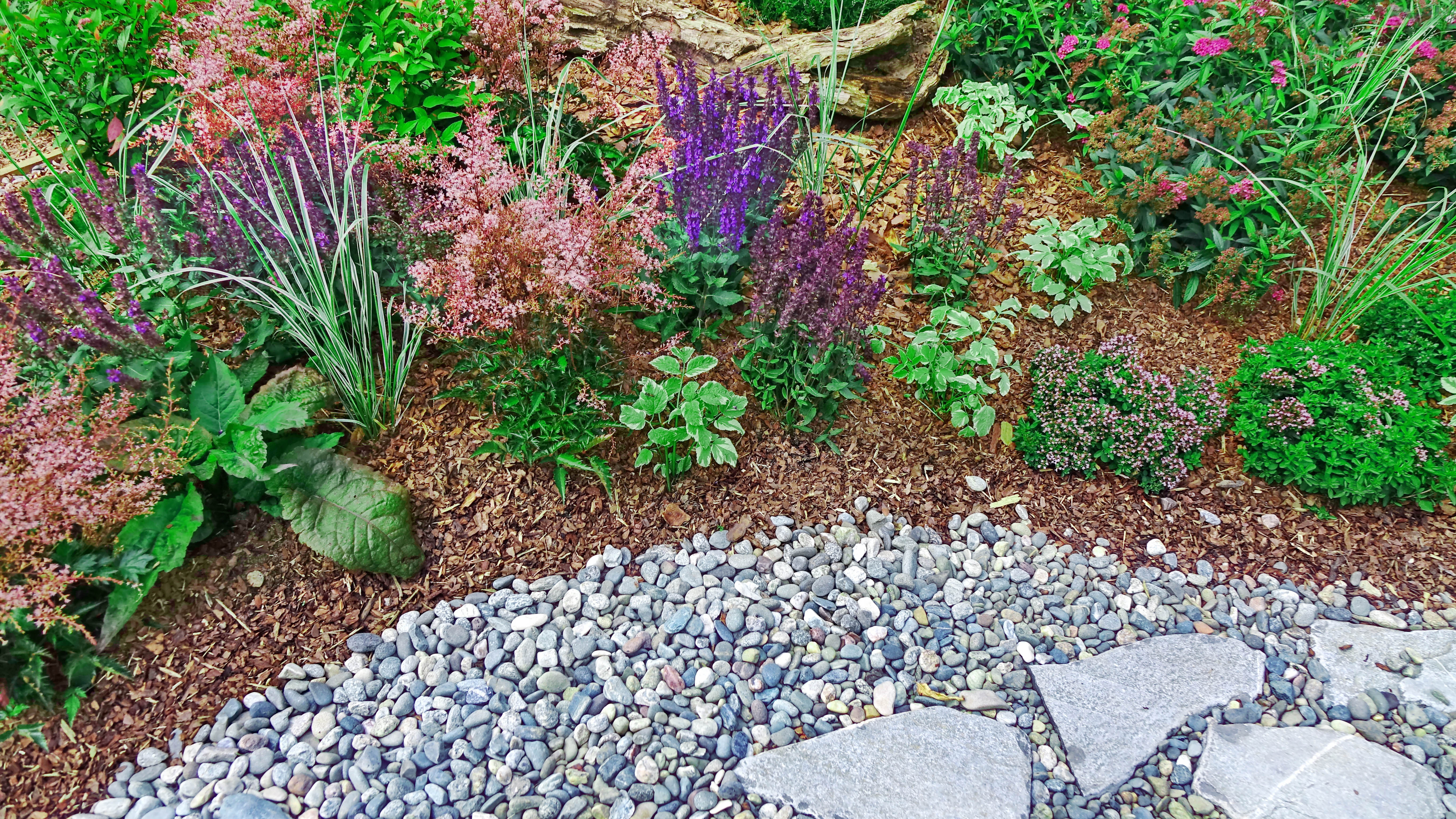
Xeriscaping was coined by Denver’s Water Department in the 1980s to support drought-tolerant plants, efficient irrigation, and soil improvements to create low-maintenance yards. And as Denver is the capital of Colorado’s arid region, it had good reason to instigate this approach.
According to Colorado State University, this form of landscaping could lower outdoor water use by 30-50%, while cutting monthly water bills.
Xeriscaping is based on seven principles, which essentially refer to ‘dry-scaping’. A method for cultivating a yard that uses as little water as possible while still maintaining a pleasing, eco-friendly aesthetic.
The 7 principles of xeriscaping
1. Plan your design
Understand your site and match the right plant to the right place. Check the properties of your soil, sun exposure and water flow across your property. Once you have this knowledge, your patch will work harder for you.
2. Work with your soil
Rather than improving your soil with organic matter, xeriscaping works around working with what you’ve already got. So the advice is to only add 3-5% of organic matter. And if your soil is compacted, focus on lifting and loosening it without loading it with amendments.
3. Irrigate efficiently
Xeriscaping is based on using as little water as possible and developing deep roots. So if you tend to water your plants a little and often, they won’t get used to tough conditions. Watering deeply and infrequently is a better plan.
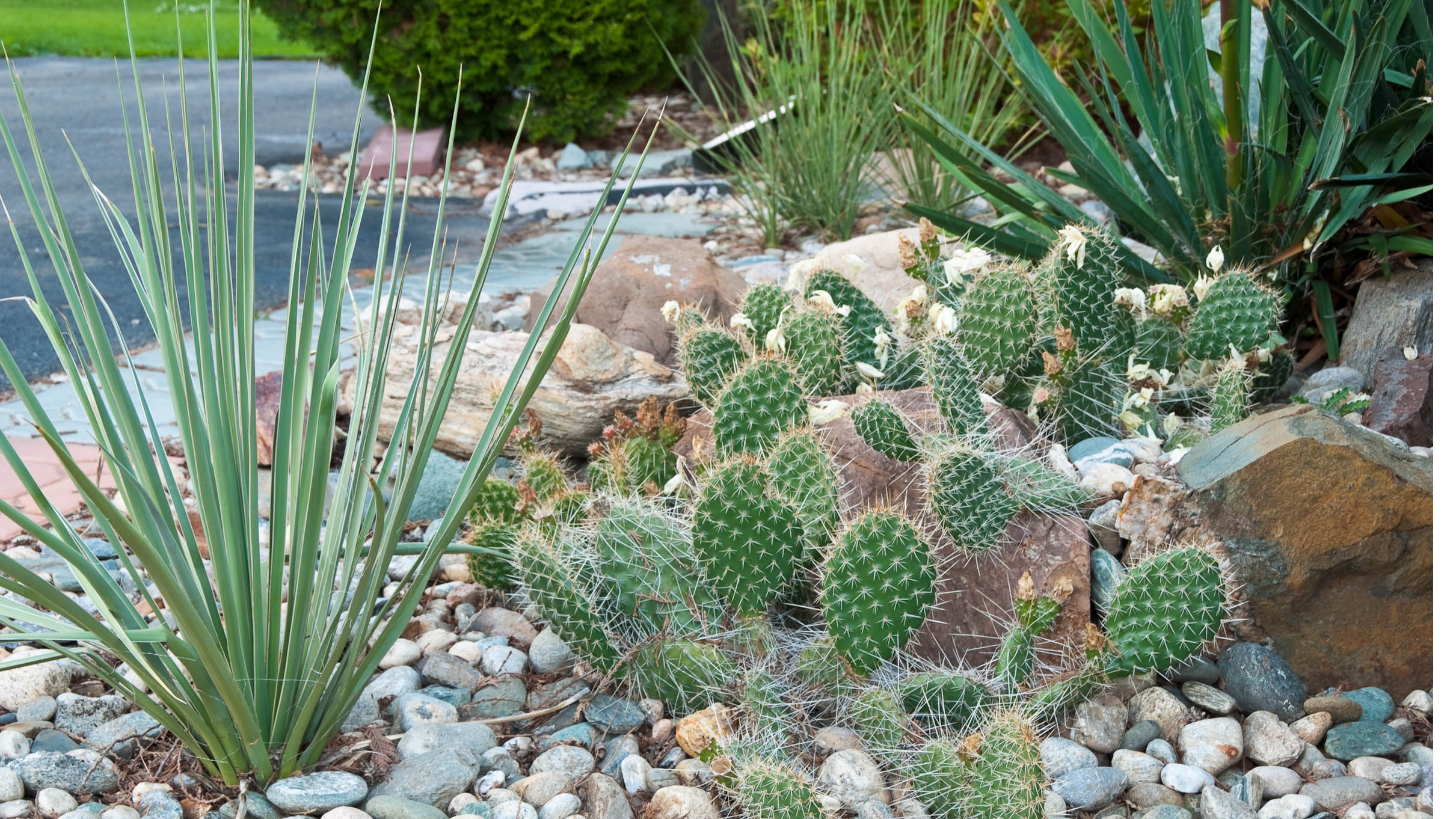
4. Use drought-tolerant plants
The key is to select plants that are well-suited to your soil, sun exposure and climate. They don’t necessarily have to be native, and you might find that one plant that does well nearby doesn’t thrive in your yard.
5. Limit turfgrass
Cutting back on turf or eliminating it completely is a major way to reduce water usage. But rather than leaving it stark, add drought-tolerant perennials and grasses, such as and buffalo or blue grama grass, that do survive with natural rainfall.
6. Use mulch
Whether you live in a dry region or not, mulch will help reduce water evaporation wherever you are. Apart from saving water, it will also suppress weeds, and protect your plants from the heat.
Gravel mulch is the perfect choice for xeriscaping. Water can penetrate, and it doesn’t need to be replaced like wood mulch.
7. Maintain your landscape
Rather than regularly watering your lawn and plants and mowing your lawn, your jobs will shift. You’ll be deadheading or cutting back perennials and picking up a weed or two. Keeping a regular eye on how your plants are responding will allow you to make adjustments throughout the seasons.