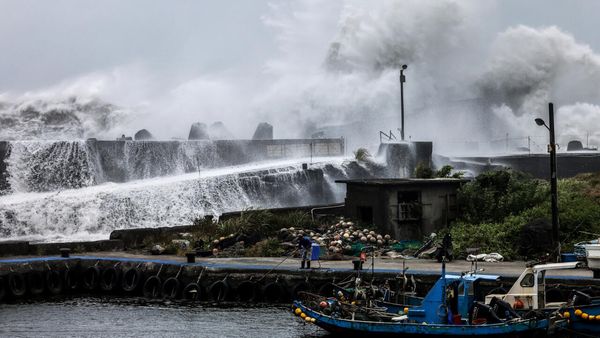
British prime minister Keir Starmer has given the UK military permission to board and detain Russian ships claimed to be part of a network of vessels that allows Moscow to export oil around Western sanctions.
The prime minister said he approved more aggressive action as Russian president Vladimir Putin was likely "rubbing his hands" at the spike in oil prices driven by the US-Israel war against Iran.
“That's why we're going after his shadow fleet even harder, not just keeping Britain safe but starving Putin's war machine of the dirty profits that fund his barbaric campaign in Ukraine,” Starmer said in a statement.
British military and law enforcement officials have been preparing to board Russian vessels that do not surrender, are armed, or use high-tech, pervasive surveillance to evade capture.
In recent months, European nations have stepped up efforts to disrupt Russia's so-called shadow fleet of tankers used by Moscow to fund its four-year war against Ukraine.
The Independent answers what the shadow fleet is and how it helps Putin in Ukraine:
What is the Russian shadow fleet?
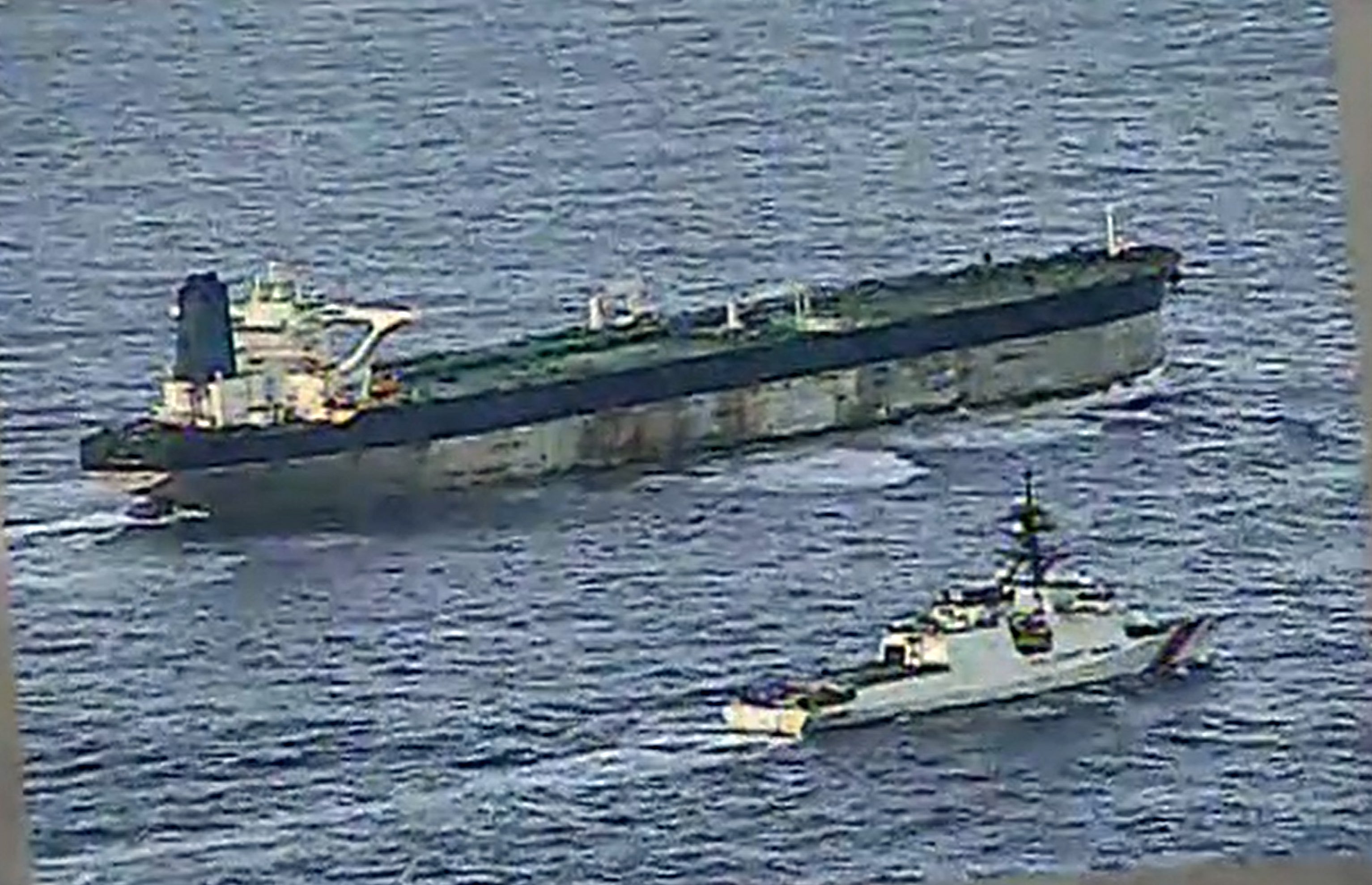
Britain and other European nations accuse Russia of using foreign-flagged oil tankers to export oil, allowing Moscow to continue benefitting from its lucrative energy trade despite international sanctions.
The shadow fleet vessels typically have blurry ownership structures and are often poorly regulated, ageing tankers prone to spills, mechanical failures and leaks.
The UK says it has already sanctioned more than 500 suspected shadow fleet vessels, and estimates that some three-quarters of Russia’s crude oil output is transported by these ships.
Without official figures available, analysts have tallied around 155 tankers and 435 total ships that Russia has purchased since sanctions took effect in late 2022.
Analytics firm Kpler assessed late last year that the shadow fleet moves some 3.7m barrels per day, or 65 per cent of Russia’s seaborne trade, worth up to $100bn per year.
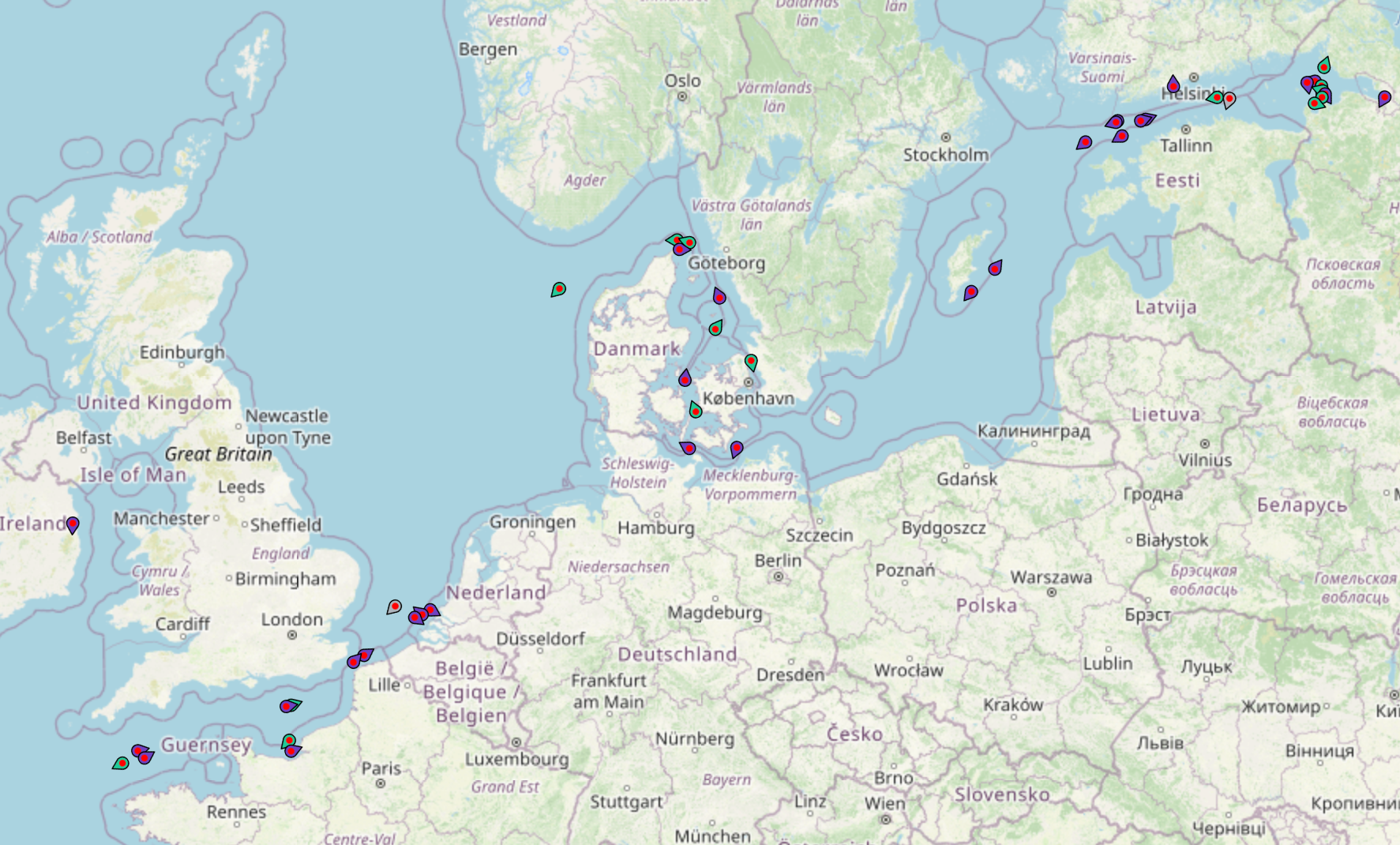
Despite efforts to crack down on vessels sailing the Mediterranean, many still operate through the Baltic Sea and move oil through the Gulf of Finland, a critical route for Russia’s exports.
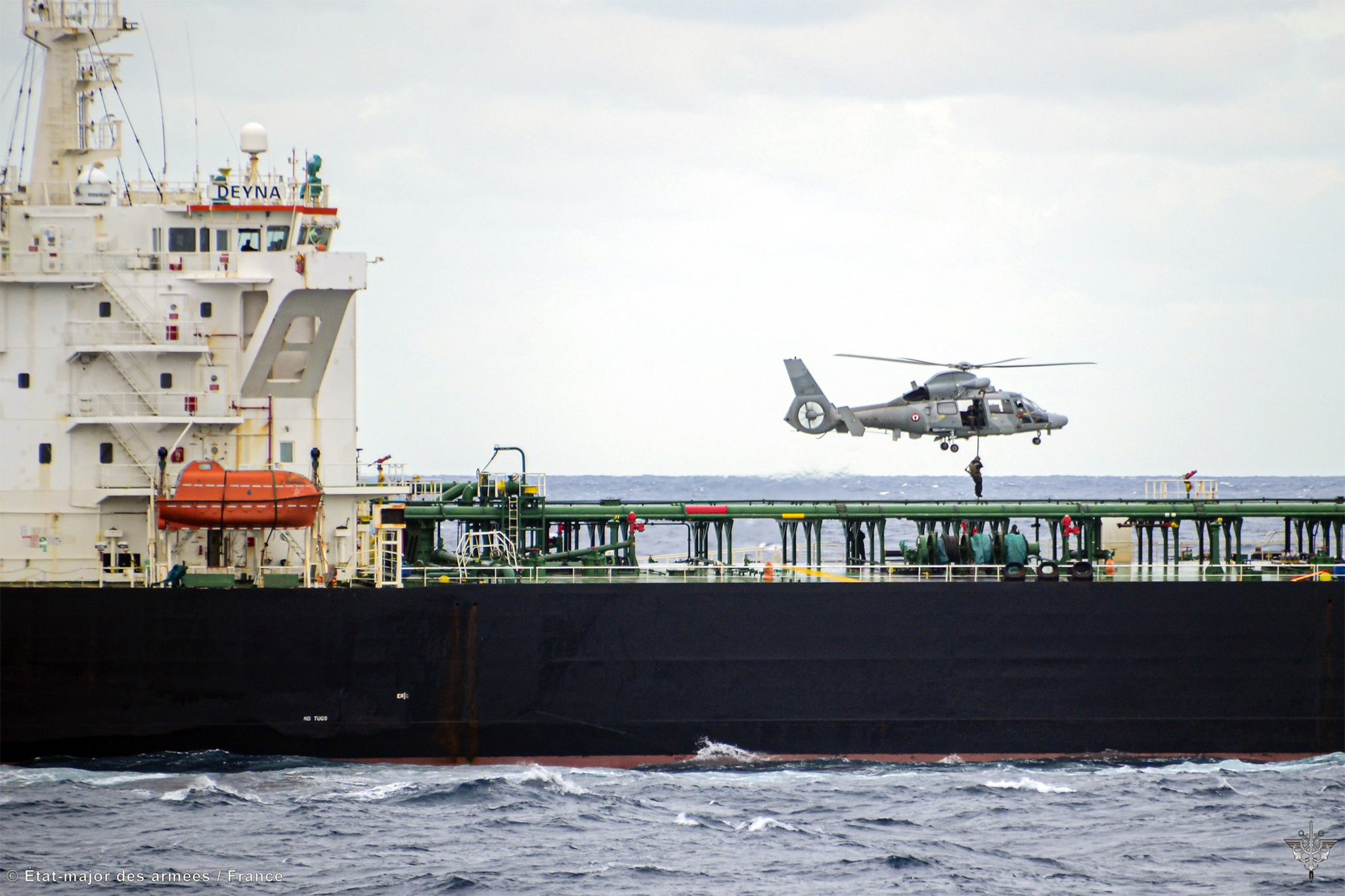
After the French Navy intercepted the Deyna vessel - a suspected shadow fleet tanker - in the western Mediterranean in March, French president Emmanuel Macron described them as “war profiteers” that “seek to reap profits and finance Russia’s war effort”.
How does it work?
Europe is stepping up its efforts to spot and intercept ships serving Russian interests. But the vessels have several tricks to avoid identification and accountability, and continues to grow as blacklisted vessels are replaced with cheap, older ships.
The fleet uses tactics like ship-to-ship transfers in international waters, where there is less monitoring from port control authorities. This makes it easier to slip under the radar and avoid sanctions.
They also use falsification, including fake ship identification numbers, intentionally spoofed location data, and using flag countries with less oversight, according to Lloyd’s List Intelligence and Finland’s Coast Guard.
Most of the tankers are owned by shell companies, with newly formed companies rapidly buying and selling on ships to make it even more difficult to prove accountability.
They also often sail without top-tier Western insurance or safety certification cover, and have unknown insurers or assessors of the vessels' seaworthiness. Norway has said most of the fleet consists of outdated tankers relying on non-Western or even fake insurance.
Gonzalo Saiz Erausquin, part of a maritime sanctions taskforce at national security think tank Royal United Services Institute (RUSI), told the International Bar Association: “The challenge with the shadow fleet is that ownership is very opaque.”
He said while disruption and new designations make it harder for Russia to get around the rules, there is still a risk of “just forcing them to another alternative structure or jurisdiction”.
“Another issue is flag hopping, if a vessel is spotted to be flagged to one jurisdiction, it will just register with another to camouflage its operations,” he said.
The Center for Strategic & International Studies says that while Ukraine “can and should continue to hold illicit Russian maritime trade at risk”, that is “not an option for the United States, United Kingdom or European Union without sparking a significant escalation”.
The legal basis to seize ships is guided by UN Convention, which only allows the seizure of ships in cases of piracy. European nations are now exploring different ways to legally stop and board vessels.
Zelensky has said Ukraine is working with European countries to ensure they can legally block such ships and confiscate their oil.
How do they fuel Russia’s war in Ukraine?
Russia is the main beneficiary of shadow fleet exports, according to Ukraine, the UK and France.
While Europe has looked for other sellers of oil and gas, China and India continue to buy huge quantities of Russian crude, though now at steep discounts.
Before March, Washington had urged India to move away from buying Russian oil as it tried to negotiate an end to the war in Ukraine.
That changed with US-Israel attack on Iran at the end of February, as disruption in the Strait of Hormuz forced oil prices past $100/barrel and the US relaxed its sanctions to contain the damage.
Since the war began, Russia has benefited from an extra $150 million a day thanks to the rise in oil prices, according to the Financial Times.
Earlier this year, a UK government source told The Times that Britain was considering using seized oil from Russia’s shadow fleet vessels to fund Ukraine’s military needs, offering a “double impact” to hit Russian exports and boost Kyiv.
UK climate minister: We need to remake the case for net zero
Starmer orders British commandos to seize Putin’s shadow fleet vessels
Putin’s spring offensive has begun. Experts warn US has given Russia an opportunity
‘Far-fetched’ to suggest McSweeney phone theft linked to Mandelson files, says PM
Russia sending drones to Iran to help war effort, Western intelligence says
Italy seizes millions in assets allegedly stolen from Bond co-star Ursula Andress