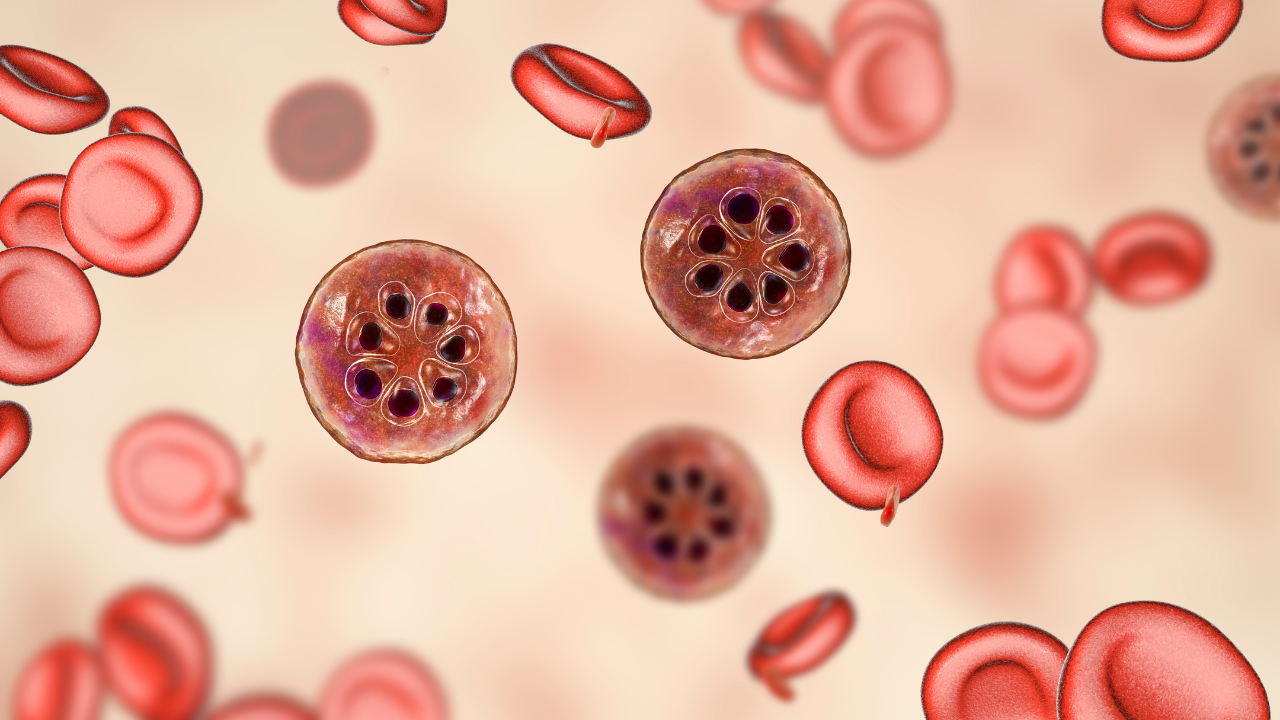
Bleeding disorders refer to a group of conditions characterized by difficulties in blood clotting, leading to prolonged bleeding or excessive bruising. These disorders can be congenital (inherited) or acquired, and they vary in severity.
There are two main types of bleeding disorders:
Inherited bleeding disorders: These are caused by genetic mutations that are passed down from parents to children. The most common inherited bleeding disorders are hemophilia and von Willebrand disease.
Acquired bleeding disorders: These are not hereditary and can develop later in life due to various factors, such as medications, liver disease, or vitamin K deficiency.
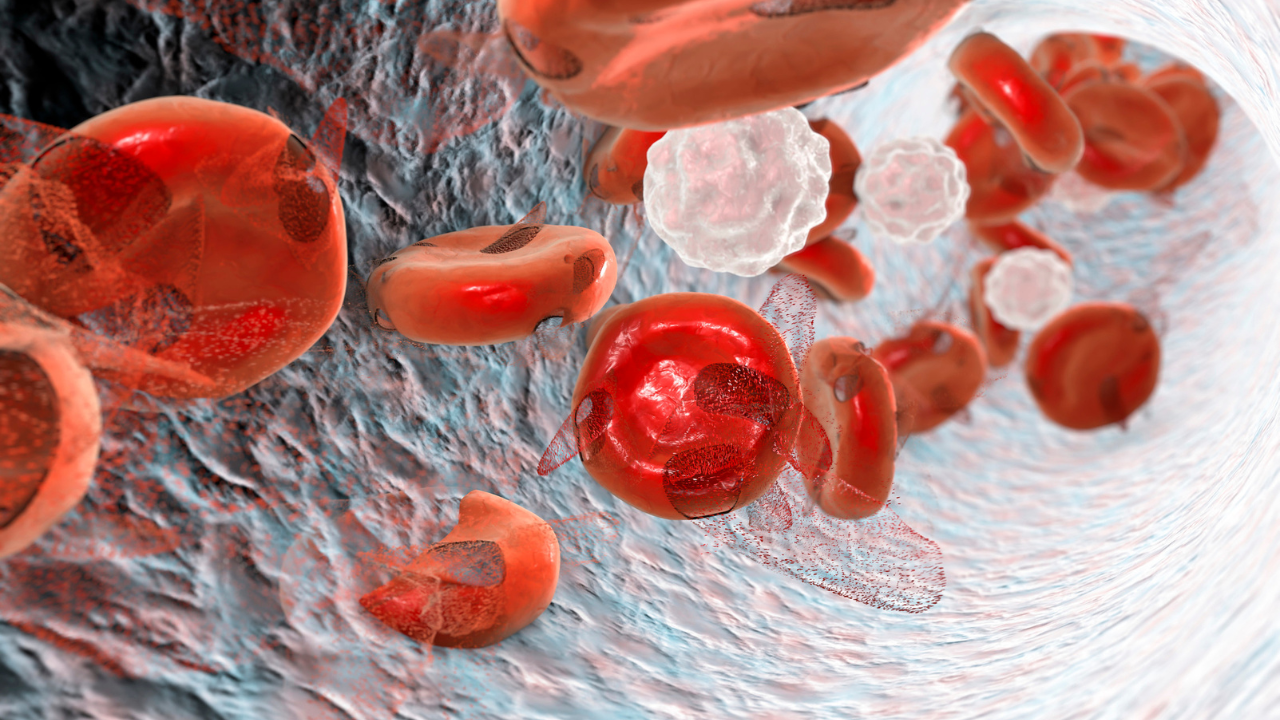
There are various causes of bleeding disorders:
Genetic mutations: Inherited bleeding disorders like hemophilia and VWD are caused by genetic mutations that affect the production or function of clotting factors.
Liver disease: The liver plays a vital role in the production of clotting factors. Therefore, liver diseases can lead to bleeding problems.
Vitamin K deficiency: Vitamin K is essential for the production of certain clotting factors. Deficiency in vitamin K, which can occur due to malnutrition or malabsorption, can cause bleeding disorders.
Autoimmune diseases: In some cases, autoimmune diseases can attack and destroy platelets, leading to thrombocytopenia.
The treatment for bleeding disorders depends on the specific type and severity of the condition.
Replacement therapy: For inherited bleeding disorders like hemophilia, replacement therapy involves infusing missing clotting factors into the bloodstream to help control bleeding episodes.
Medications: Various medications, such as antifibrinolytic drugs, can help control bleeding by preventing the breakdown of blood clots.
Platelet transfusions: In case of thrombocytopenia, platelet transfusions may be needed to increase the platelet count and improve clotting ability.
Surgery: In some cases, surgery may be necessary to remove the source of bleeding or correct underlying medical conditions contributing to the bleeding disorder.
(Dr. Rahul Bhargava, Principal Director & Chief BMT, Fortis Memorial Research Institute, Gurugram)