If the United States never leaves Venezuela, seizing control of its government and vast energy wealth could rewrite the global oil map and tilt economic power toward American interests. After the dramatic US military operation that captured Venezuelan President Nicolás Maduro and placed him in US custody, Washington made clear it would run the country until a new leadership structure is put in place, potentially maintaining direct influence over Venezuela for years.
This unprecedented intervention thrust the nation's massive oil reserves—the largest proven in the world—into the heart of discussions on energy strategy, geopolitical leverage and economic consequences. For the United States, continued governance or influence over Venezuelan resources could mean broad leverage over global oil supply and prices, but experts caution that realising such benefits would be neither immediate nor straightforward.
The World's Largest Oil Prize
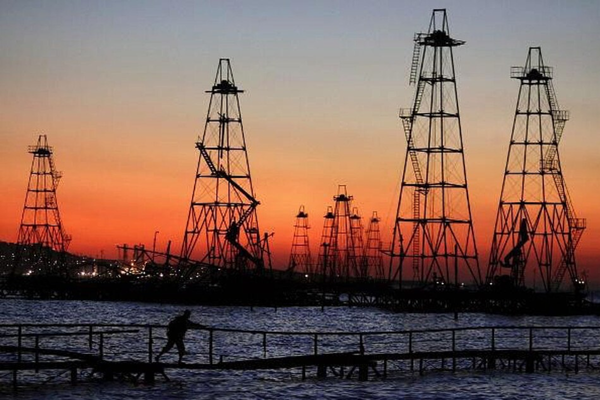
Venezuela is home to roughly 300 billion barrels of proven oil reserves, accounting for about 17 per cent of the global total, a figure that surpasses Saudi Arabia and Iran. Yet despite this staggering figure, production has collapsed from peak levels of more than 3 million barrels per day in the 1970s to under 1 million barrels per day today, partly due to years of mismanagement, infrastructure decay and US sanctions.
This means that Venezuela's oil wealth remains largely untapped in practical terms. Even with US control, rebuilding capacity would require hundreds of billions of dollars of investment, political stability, and technical expertise that will take years to mobilise.
A Shift in Global Energy Power
If sustained US control did lead to higher Venezuelan production over time, the effects on global oil markets could be profound. Analysts suggest that greater output would expand global supply—a scenario that traditionally dampens prices if demand remains constant. This could, over the long term, put downward pressure on crude prices and shrink the pricing power of OPEC and its allies, including Middle Eastern producers.
Such a shift would be strategically significant. With Venezuela's oil feeding directly into American refinery systems, particularly those configured for heavy crude, US energy companies could secure a long‑term supply advantage. Greater supply and lower crude prices would not only benefit US consumers at the pump, potentially lowering gasoline costs, but also reduce shipping and logistics expenses across the broader economy.
Strategic Dominance in the Hemisphere
A prolonged US presence in Venezuela would have ripple effects well beyond energy. Control of a major South American nation positions the United States as the de facto security power in the Western Hemisphere, a role it has long sought to maintain in the face of Russian and Chinese influence.
Since Maduro's government had cultivated ties with those powers, the shift realigns Caracas toward Washington—a geopolitical victory for US policymakers seeking to limit rival influence close to home.
@theoldermillennial What If We Didn’t Leave #Venezuela
♬ original sound - The Older Millennial
A Long and Risky Road Ahead
Despite the potential advantages, the scenario is riddled with complexity. Venezuela's infrastructure—both in oil and broader governance—is deeply fractured, and rebuilding it poses huge financial and logistical challenges.
It is unlikely that the full productive potential of Venezuelan oil can be unleashed quickly enough to meaningfully reshape global markets in the short term.
International response also adds a layer of risk. The US action has drawn sharp criticism at the United Nations and from many nations that see prolonged intervention as a violation of sovereignty, threatening diplomatic fractures and potential sanctions or countermeasures.