
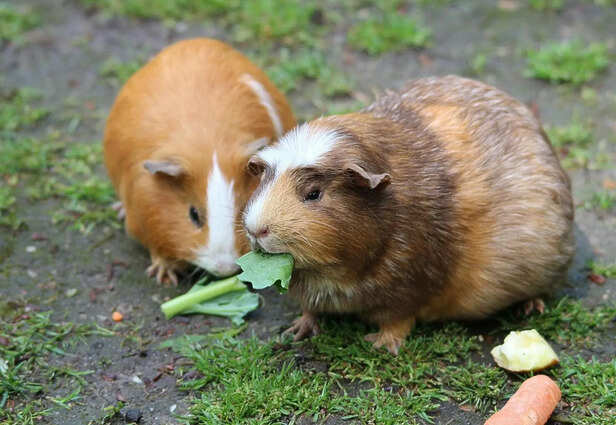
Feeding a pet may seem like a simple daily task, but it is one of the most important parts of caring for an animal. What your pet eats affects its energy, mood, growth, and overall health. Many people assume that as long as their pet is eating regularly, everything is fine. But the truth is, nutrition is more complex than it looks.
Different animals have different dietary needs. A dog, a cat, a rabbit, or even a bird cannot all eat the same type of food. Even within the same species, age, size, and lifestyle can change what a pet needs.
Many pet owners unknowingly make small mistakes in feeding. These mistakes may not show immediate effects, but over time, they can lead to issues like low energy, weight problems, or poor health.
Understanding what goes wrong in animal nutrition is the first step to doing it right. Let us explore the common mistakes and how to avoid them.
Treating All Pets the Same
One of the biggest mistakes pet owners make is assuming that all animals have similar nutritional needs. This often leads to feeding the same type of food to different pets without understanding their specific requirements.
Dogs and cats, for example, may both be common pets, but their diets are very different. Cats need more protein and certain nutrients that dogs do not require in the same amount. Rabbits need a diet rich in fiber, while birds often need a mix of seeds, fruits, and specific nutrients.
When pets are fed food that does not match their needs, they may still eat it, but it does not support their health properly. Over time, this can lead to weakness, digestive issues, or other health problems.
Understanding your pet’s natural diet is important. It helps you provide food that matches what their body actually needs.
Overfeeding and Treat Culture
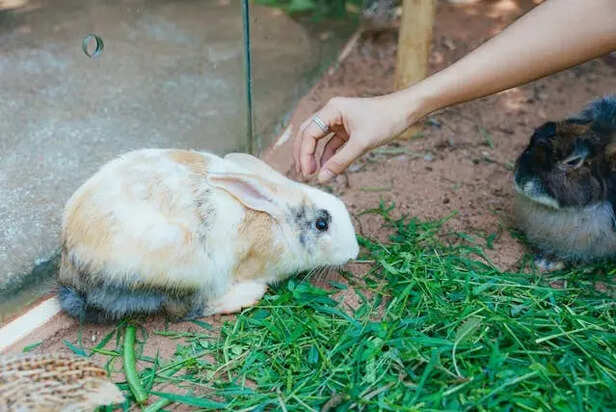
Many pet owners show love through food. Giving treats, extra portions, or table scraps may feel like a kind gesture, but it can harm your pet’s health.
Overfeeding is one of the most common issues in pet nutrition. Pets that eat more than they need can gain weight quickly. This can lead to problems like low energy, joint stress, and other health concerns.
Treats are not bad, but they should be given in moderation. When treats become a regular part of the diet, they can replace balanced meals and reduce the intake of essential nutrients.
Portion control is important. Pets do not always know when to stop eating, so it is the owner’s responsibility to manage their diet carefully.
Ignoring the Importance of Balanced Nutrition
Feeding your pet is not just about filling their stomach. It is about providing the right balance of nutrients. A proper diet includes proteins, fats, vitamins, minerals, and in some cases, fiber.
Many pet owners focus only on the quantity of food and not its quality. For example, feeding only one type of food without variety can lead to nutritional gaps.
A balanced diet helps in maintaining strong immunity, healthy skin, and proper growth. It also supports better digestion and overall well being.
Reading food labels and understanding what goes into your pet’s food can make a big difference. It helps you choose options that meet their nutritional needs.
Human Food Is Not Always Safe for Pets
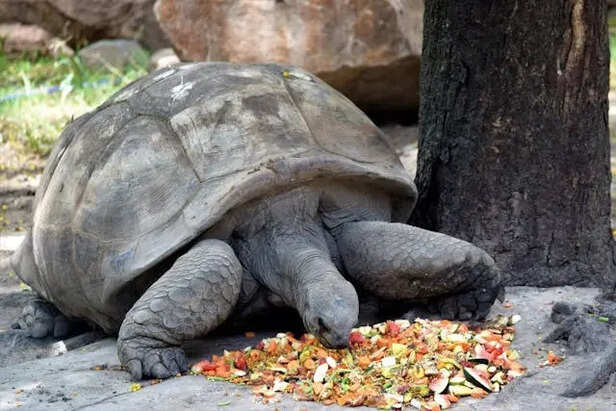
Another common mistake is feeding pets human food without knowing its effects. While some foods may seem harmless, they can be unsuitable or even dangerous for animals.
Pets have different digestive systems. Food that is healthy for humans may not be safe for them. Even simple things like spices, sugar, or processed food can cause problems.
Feeding pets from your plate can also create bad habits. Pets may start refusing their regular food and wait for human food instead. This can lead to an unbalanced diet.
It is always better to stick to food that is made specifically for your pet or recommended for their species.
Not Adjusting Diet With Age and Lifestyle
A pet’s nutritional needs change over time. A young, active animal needs more energy and nutrients compared to an older pet.
Many owners continue feeding the same type of food throughout their pet’s life. This can lead to problems. For example, older pets may need lighter food that is easy to digest, while younger pets need more nutrients for growth.
Lifestyle also matters. A highly active dog needs more calories than one that spends most of its time indoors. Similarly, pets that are recovering from illness may need special diets.
Adjusting food according to age and lifestyle helps maintain good health and prevents future issues.
Lack of Awareness About Hydration
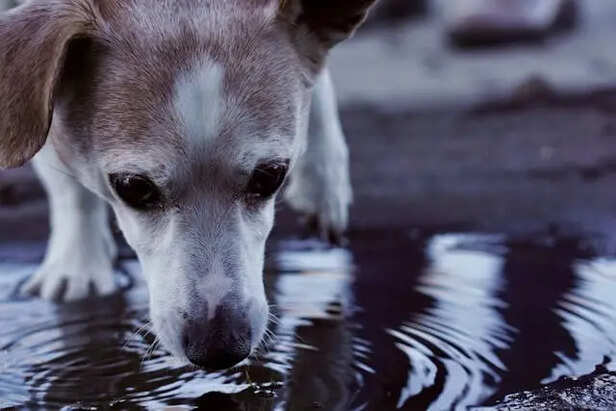
Pets need access to clean and fresh water at all times. Lack of water can affect digestion, energy levels, and overall health.
Some animals may not drink enough water on their own, especially in certain weather conditions. Monitoring their water intake is important to ensure they stay healthy.
Hydration supports every function in the body, making it a key part of nutrition.
Animal nutrition is more than just feeding your pet twice a day. It is about understanding what your pet truly needs and making informed choices.
Common mistakes like overfeeding, treating all pets the same, or ignoring balanced nutrition can have long term effects. The good news is that these mistakes are easy to fix once you are aware of them.
By paying attention to your pet’s diet, adjusting it according to their needs, and avoiding harmful habits, you can improve their quality of life.
A well fed pet is not just full. It is healthy, active, and happy. Taking the time to understand nutrition is one of the best things you can do for your pet.
Celebrate the bond with your pets, explore Health & Nutrition, discover Breeds, master Training Tips, Behavior Decoder, and set out on exciting Travel Tails with Times Pets!