
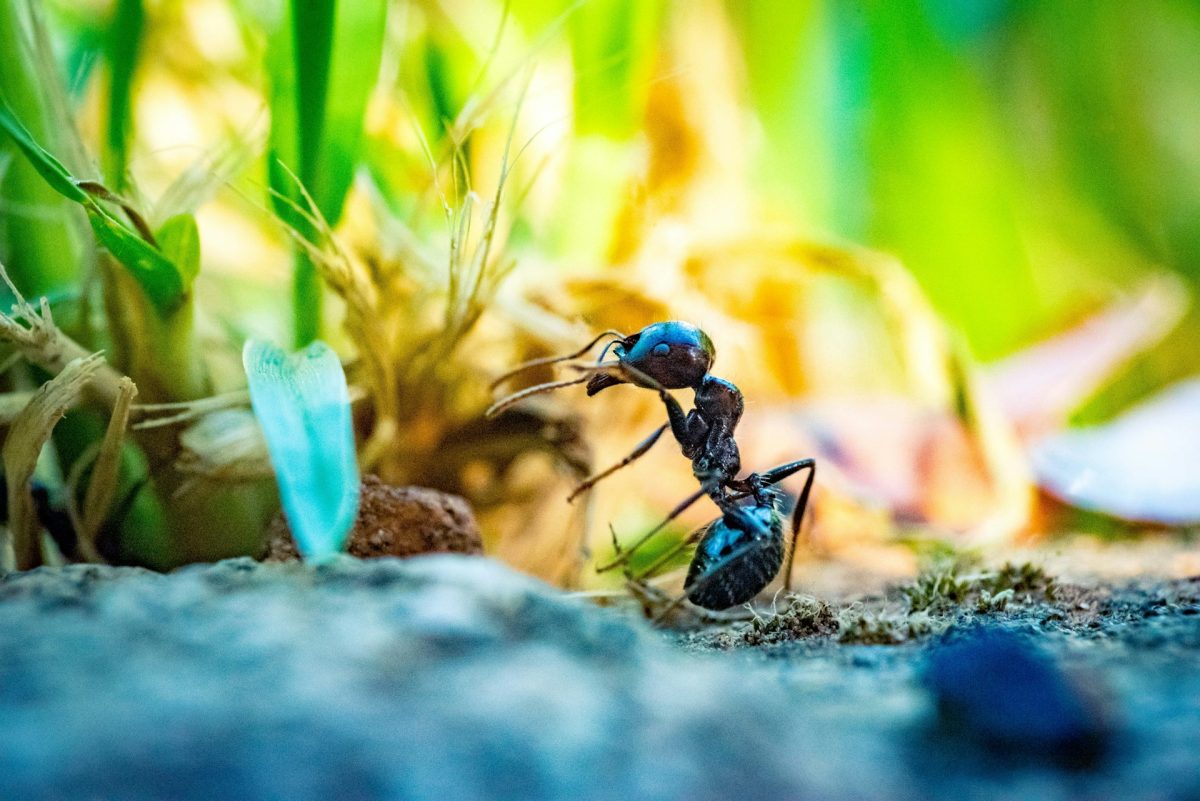
Ants marching across garden soil can feel like a tiny summer parade, except nobody sent invitations. Seeing them crawling around flower beds or near plant roots often sparks curiosity, because their presence does not always mean trouble is brewing beneath the dirt. Sometimes they are simply working hard at gathering food. Other times, they send small ecological signals about what is happening underground. Gardens are living neighborhoods filled with roots, microbes, insects, and moisture patterns, and ants become part of that busy community whether people notice them or not.
So what exactly do ants in the garden mean, and when should their presence raise questions? The answers depend on patterns, behavior, and environment. Exploring those details can turn an ordinary ant trail into a fascinating story about soil, moisture, and ecosystem balance.
The Underground Weather Report You Did Not Ask For
Ants often appear when soil conditions change, especially when moisture levels shift or when organic material builds up near the surface. Dry soil can push some ant species to dig deeper tunnels searching for stable humidity, while overly wet soil may send them upward looking for air pockets. Their digging actually helps aerate compacted ground, which gives roots more breathing room and supports microbial life that plants depend on for nutrients.
Gardeners sometimes worry when ants build small mounds around lawns or flower beds. Those mounds usually signal that ants have chosen that spot for nesting because the soil texture feels right and food sources exist nearby. The digging activity does not automatically hurt plants unless the colony becomes large enough to disturb root systems. In many cases, moderate ant populations help break down organic matter faster, which slowly feeds soil fertility.
Observing ant movement during different weather conditions can reveal patterns. After heavy rain, ants often move higher because tunnels flood. During hot and dry spells, trails may appear along irrigation lines or shaded mulch areas where moisture stays longer. Rather than fighting ants immediately, checking soil moisture first often solves the mystery of why they suddenly appear.
When Ants Become Bodyguards Against Other Garden Trouble
Some ants actually protect plants by hunting smaller insects that cause real damage. Garden ecosystems operate like small cities where predators and prey constantly interact. Ants sometimes chase away soft-bodied pests that feed on leaves or stems, helping plants survive longer without chemical treatments.
However, not all ant relationships with gardens stay friendly. Certain ant species protect insects that produce sweet secretions, such as aphids, because ants harvest the sugary liquid those insects release. In exchange for food, ants defend those pests from natural predators. This behavior can lead to more plant damage because aphid populations grow when protected.
Watching plant leaves carefully helps reveal this situation. If leaves curl, turn sticky, or develop small colonies of tiny insects underneath, ants may be farming pests instead of helping. Rinsing affected plants with water spray, introducing natural predators like ladybugs, or trimming heavily infested stems can restore balance without harsh treatments.
The Soil Health Message Hidden in Ant Trails
Ant activity sometimes tells a story about soil nutrition. Gardens rich in decaying leaves, compost particles, and root fragments attract insects that feed on organic matter. Ants follow these food resources because they search constantly for protein and carbohydrates to bring back to their colonies. The presence of ants does not automatically mean soil is rich, but it often shows that biological activity exists below the surface. Healthy soil usually hosts worms, microbes, and insects working together to recycle nutrients. Ant tunnels help mix surface materials into deeper layers, slowly improving soil structure over time.
Gardeners who want fewer ants without harming ecosystem balance can adjust environmental factors rather than using strong chemical barriers. Keeping compost piles a short distance from planting zones, cleaning fallen fruit quickly, and managing watering schedules can reduce ant attraction. Physical barriers such as copper tape around potted plants sometimes discourage ant climbing behavior because ants dislike certain electrical conductivity properties.
When Ant Numbers Signal Something Might Be Wrong
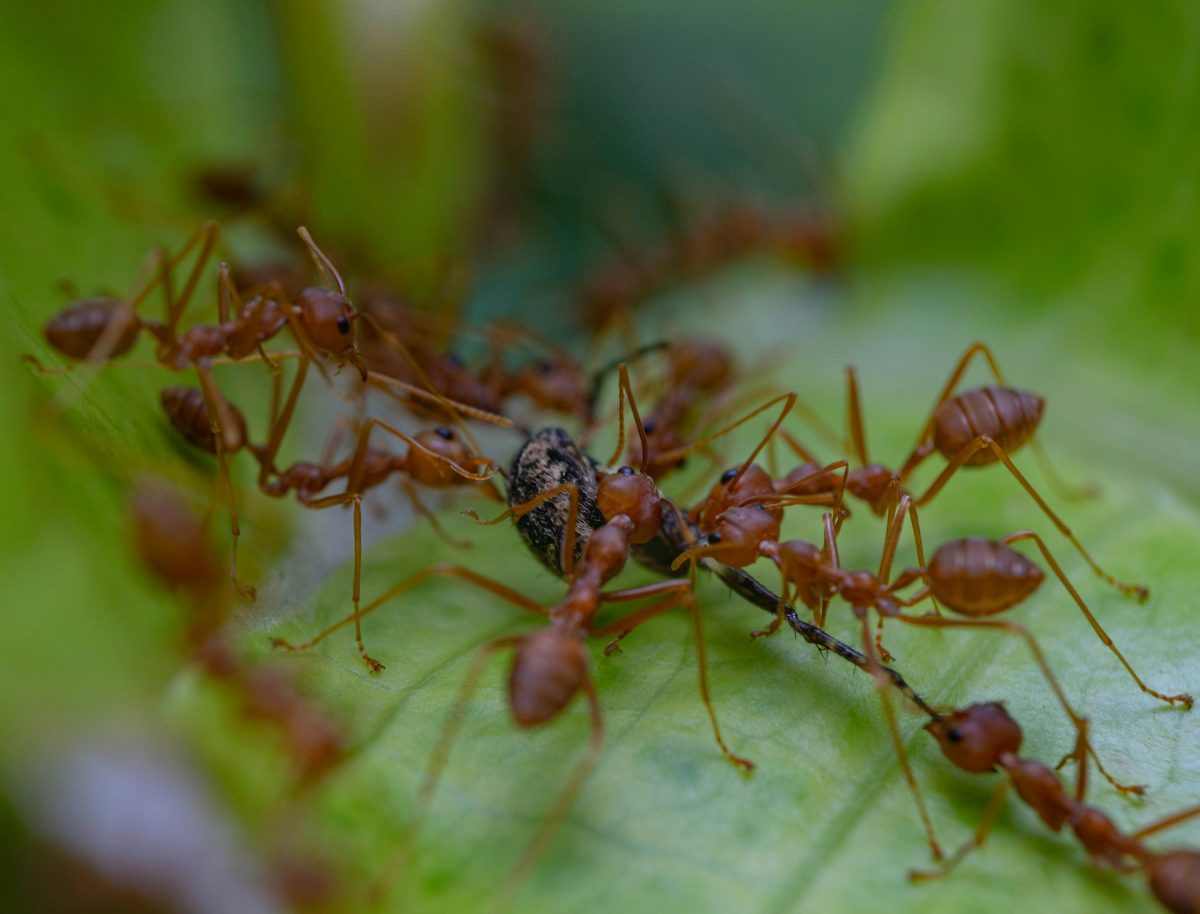
Large, sudden ant colonies sometimes point to hidden food sources. Cracked fruit, sugary plant sap leaks, or other insect infestations can bring thousands of ants into a single area. If ants gather heavily around plant stems or tree trunks, checking for wounds, pests, or fungal growth becomes wise. Certain ant species also build nests under stones, garden furniture, or mulch layers that stay warm and protected. Thick mulch is useful for moisture retention, but piling mulch too close to plant stems can create comfortable nesting environments. Leaving a small gap between mulch and plant base reduces unwanted nesting without removing the mulch benefits.
If ants start entering homes from garden paths, sealing small cracks near foundations and managing outdoor food waste helps redirect them back to natural habitats. Outdoor ants usually prefer living outside when food and shelter exist there. Introducing natural predators, maintaining healthy soil organisms, and watering plants properly usually keep ant populations balanced. Patience works better than aggressive removal because ecosystems respond slowly to change.
The Green Garden Story Ants Help Tell
Ants in the garden rarely tell a single story. They may announce soil dryness, nutrient recycling activity, pest presence, or colony expansion seeking new space. Instead of seeing them as troublemakers, thinking of ants as small environmental reporters sometimes helps. Monitoring plant health, checking for other insects, and watching soil moisture together give the clearest understanding of what ants mean. Garden care becomes more satisfying when curiosity leads the process rather than fear. Nature communicates using movement, growth, and interaction instead of loud warnings.
Try walking through the garden early in the morning and observing ant trails without disturbing them. Notice whether they move in straight lines, circle around certain plants, or carry visible food particles. Small observations like these often reveal big ecosystem patterns. Gardens thrive when balance exists between insects, soil organisms, water, and sunlight. Ants simply participate in that balance, working quietly while life continues above ground.
What Your Garden’s Tiny Travelers Really Suggest
Ants in the garden act like neighbors passing messages through soil tunnels and plant stems. Their presence usually means the environment supports life, though numbers and behavior reveal deeper details. Watching them carefully can help protect plants, improve soil care, and understand natural pest control cycles.
Instead of rushing to eliminate ants, learning their habits first gives gardens a better chance to stay healthy and vibrant. The next time a line of ants marches past a rose bush or vegetable bed, pause for a moment and ask what the soil and plants might be trying to say.
What unusual ant behavior have you noticed in your garden, and did it connect to plant health or other insects you found later? Give us your insight in the comments below.
You May Also Like…
March Garden Pests That Show Up Before You Notice the Damage
12 Of The Worst Garden Pests And How To Get Rid Of Them
8 Plants That Act As Natural Pest Deterrents
8 Plants That Grow Well From Grocery Store Scraps
The Bug That’s Hitchhiking on Nursery Plants — And How to Spot It
The post What Ants in Your Garden May Be Signaling appeared first on Frugal Gardening.