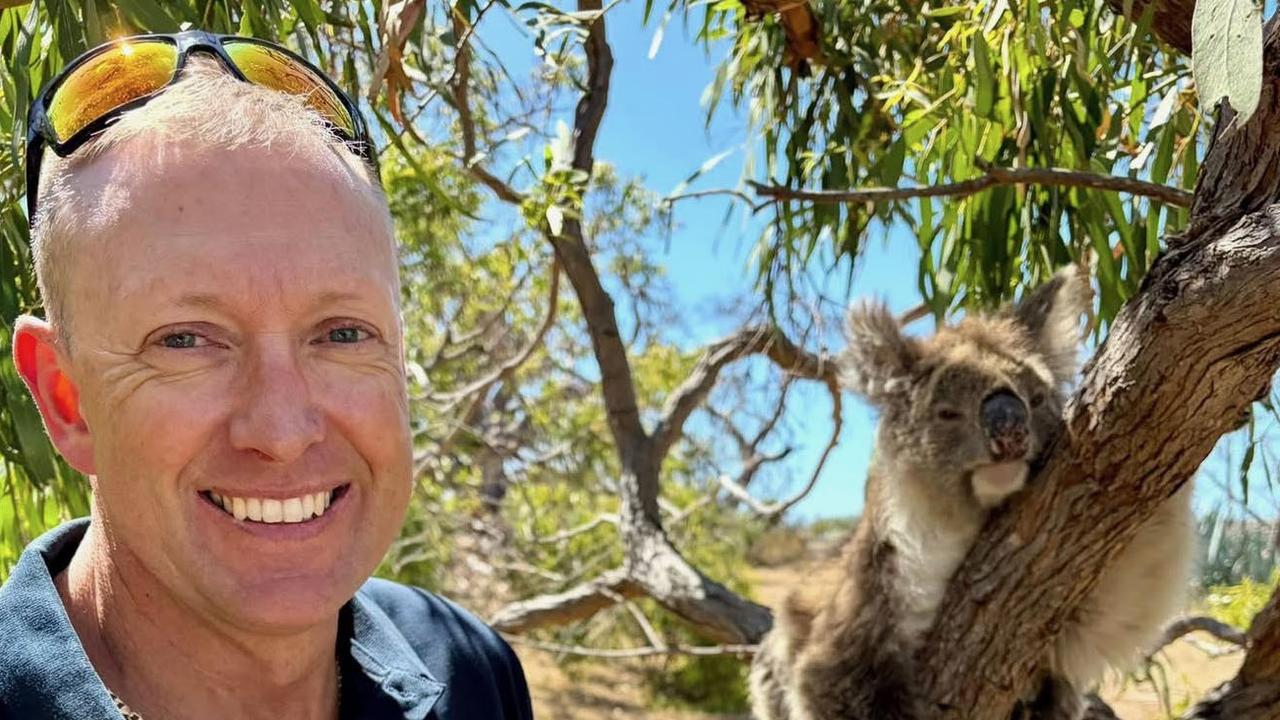
Rod Keogh has been storing whale poo in his freezer for years.
"It's hard to find people as interested in it as me," he says.
"People expect something six feet long but it's not like that."
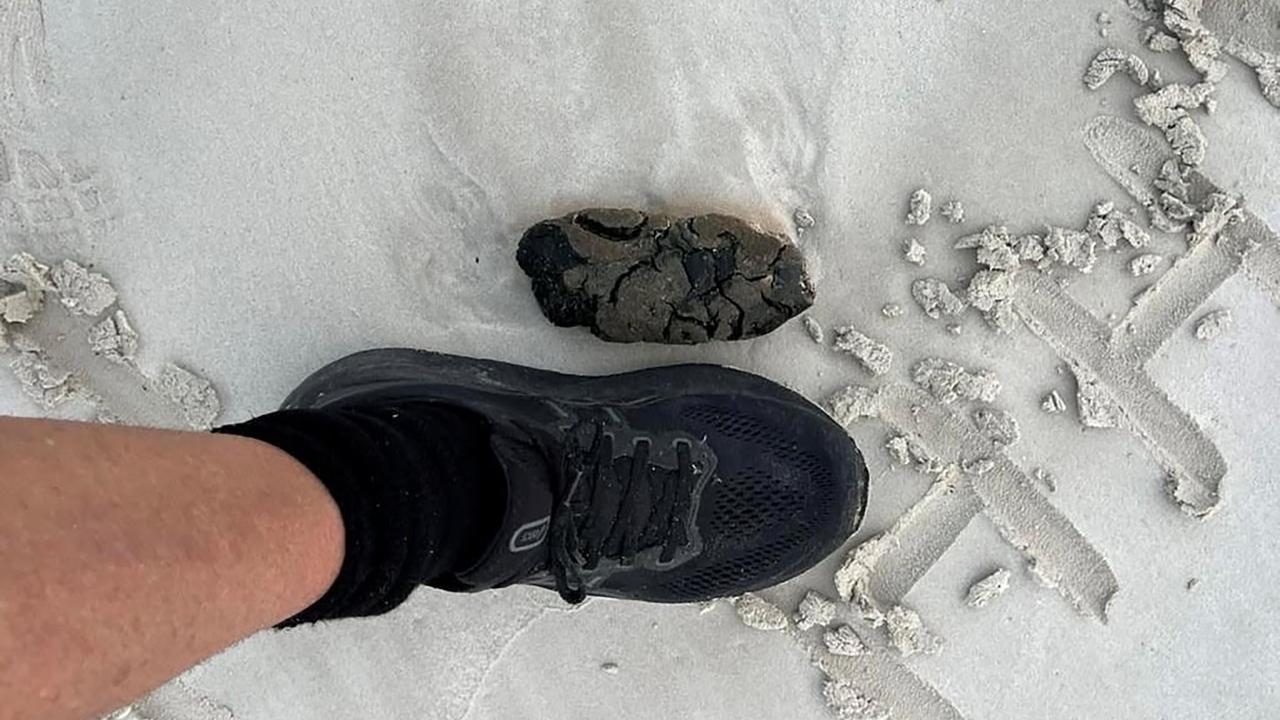
In fact, the whales' poos - found washed up on the beaches of South Australia's Eyre Peninsula - are clay-like and can be grapefruit-sized.
Faecal features aside, the whale enthusiast's poo preservation has paid off.
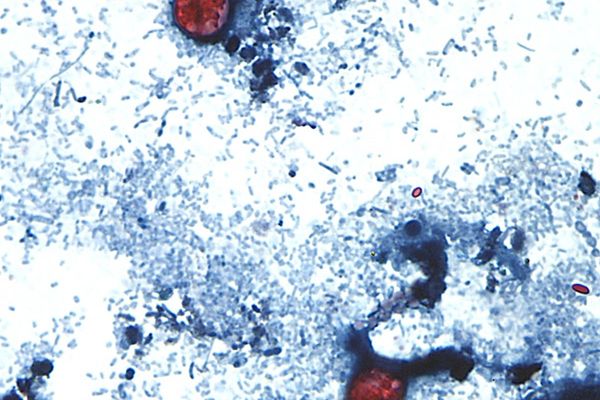
Samples collected by Mr Keogh have formed part of a groundbreaking study of the diets and microbiomes of southern right whales, led by Macquarie University and the University of Auckland.
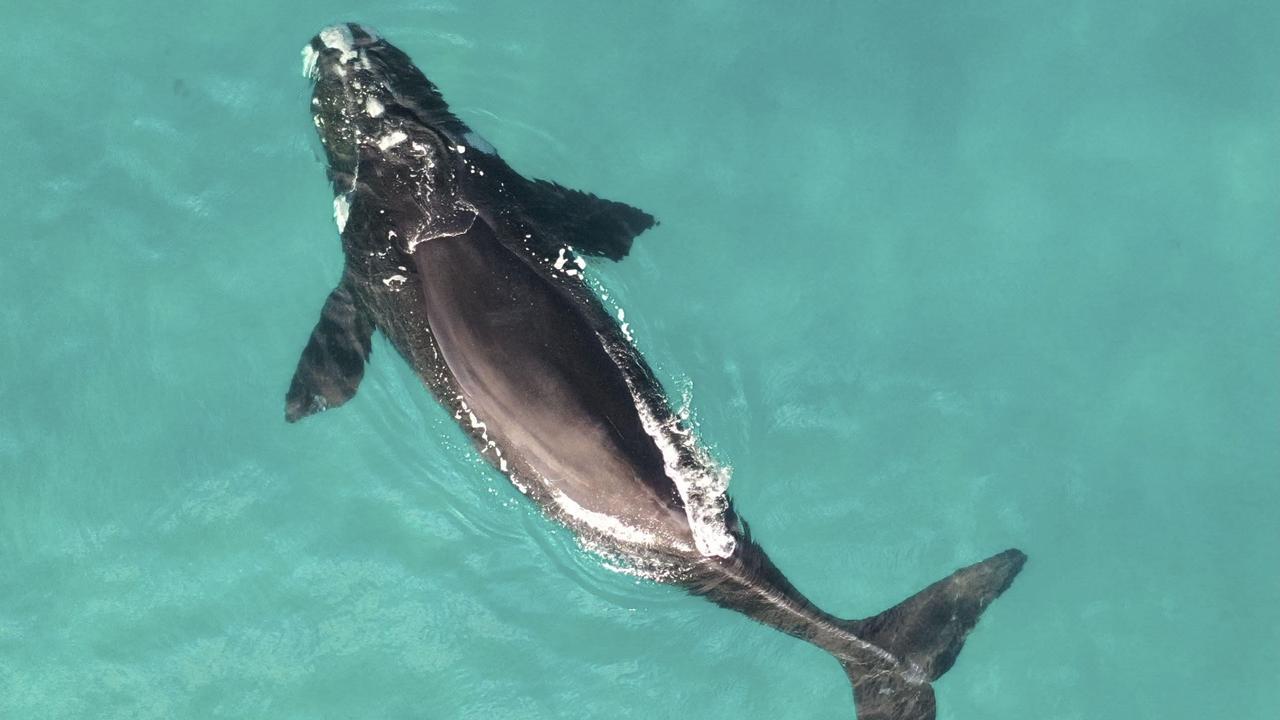
The 16-metre 100-tonne marine mammal has long been heralded as a conservation success story.
The whale bounced back from the brink of extinction after being relentlessly hunted by commercial whalers during the 19th and 20th centuries, with the global population slowly recovering from as few as 300 to as many as 15,000 today.
But climate change poses fresh challenges because warming waters and declines in Antarctic sea ice are altering the availability of their key food source, krill.
The changes have been linked to reduced birth rates in some populations.
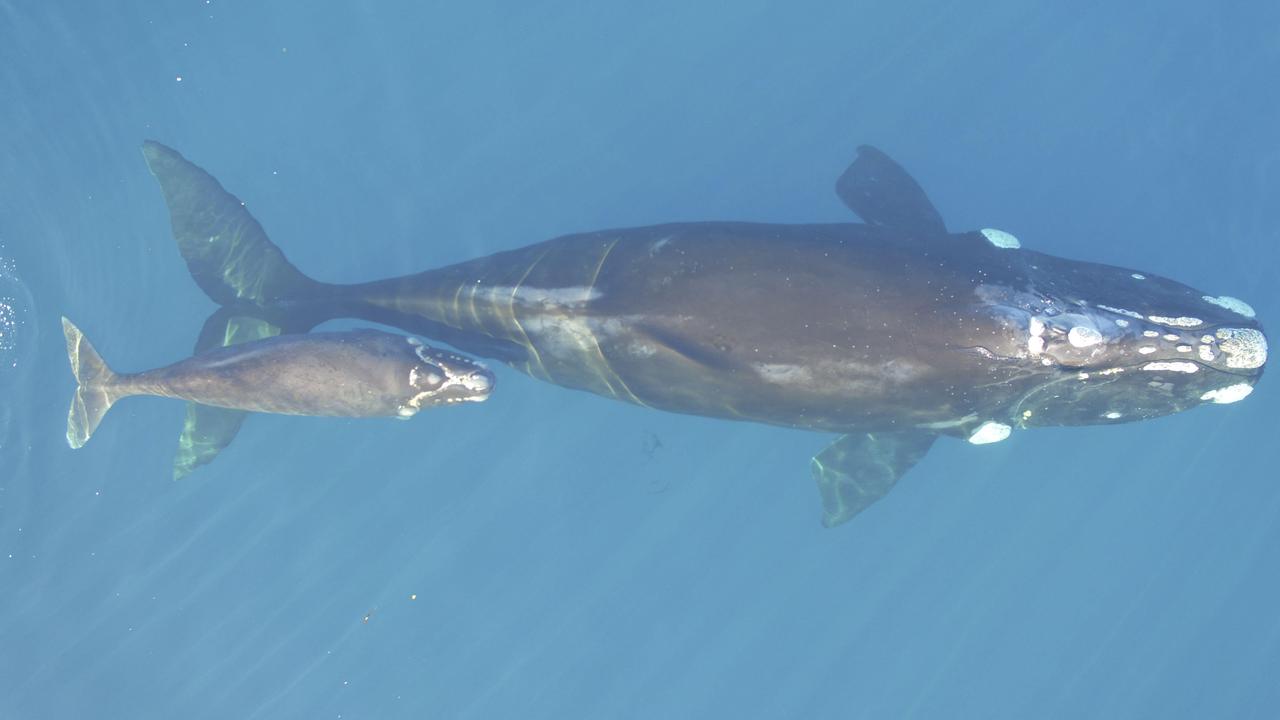
Understanding the whales' diets may help scientists forecast how the creatures will adapt.
University of Auckland associate professor Emma Carroll has added Mr Keogh's samples to others collected from South Africa and New Zealand for analysis.
"Tohorā (the term for whales in Maori language) are eating a much wider variety of kai moana (seafood) than we knew," she said.
"While scientists had assumed their diet was mostly krill and small crustaceans, we found that small and probably young life stages of animals like crabs, shrimp, and lobsters were actually the most commonly detected food across all locations."
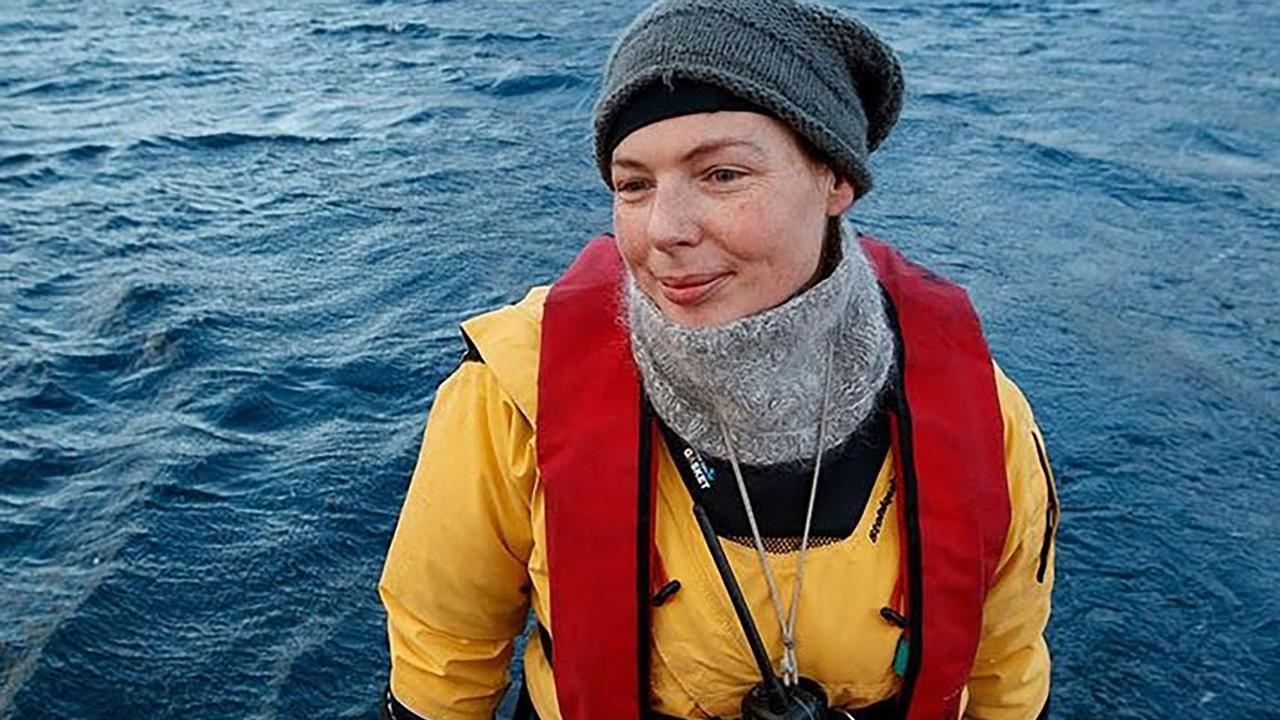
Macquarie University PhD student Aashi Parikh said even though krill weren't commonly found in the whales' poo, they appeared to have a lasting influence on the animals' gut bacteria, suggesting the food source remained an important part of their diet at other times and places.
"This is the first time we've been able to get to the real nitty gritty of exactly what they're eating," she said.
"It's exciting because it opens a lot of questions about what alternative prey sources they might be able to survive on if climate change continues to threaten krill and even copepod (tiny crustacean) populations, as it has been over the last several decades."