Bowers & Wilkins’ original 801 speaker was launched back in 1979. At the time, these odd-looking three-way designs were the very best speakers the brand could make. They were aimed primarily at the quality studio market, alongside those who wanted no-compromise speakers at home.
Over time, further 800 series models were added, allowing the lineup to appeal to a wider range of users rather than just the studio world that the originals prioritised.
The new flagship B&W 800 Series Diamond D5 range, introduced at the High End Vienna 2026 show in early June, holds to the same principles as the original, pushing the company’s technology and performance standards as far as currently possible.
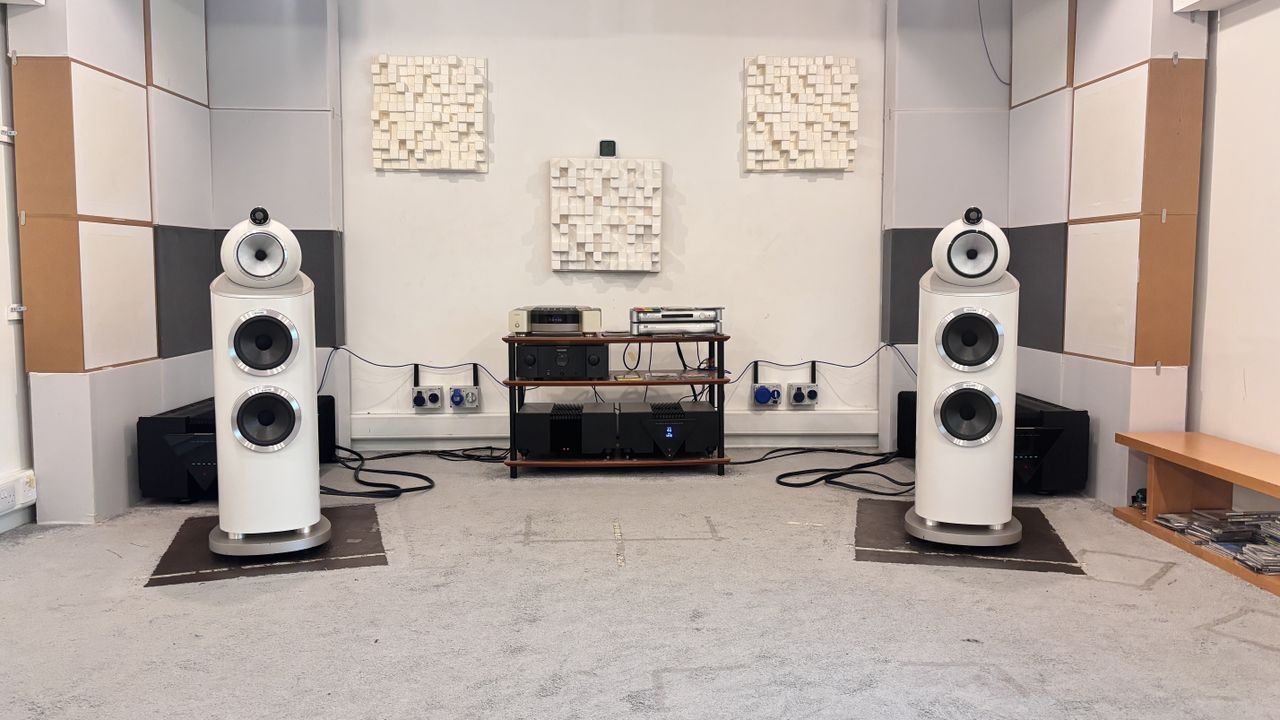
We are lucky enough to be invited to the company’s impressive R&D facility in Southwater, West Sussex. It is a large facility, around 2750 square metres of floor space, where the brand’s engineers develop new technologies and products.
We are here to listen to the new 800 Series Diamond D5 series of speakers in its entirety, from the two-way 805 D5 (£10,000 / $15,000) to the mighty, range-topping 801 D5 floorstander (£43,000 / $65,000). The plan is to compare them with the previous-generation models and hear the changes.
It proves an eye-opening experience.
D5: Delving into the differences
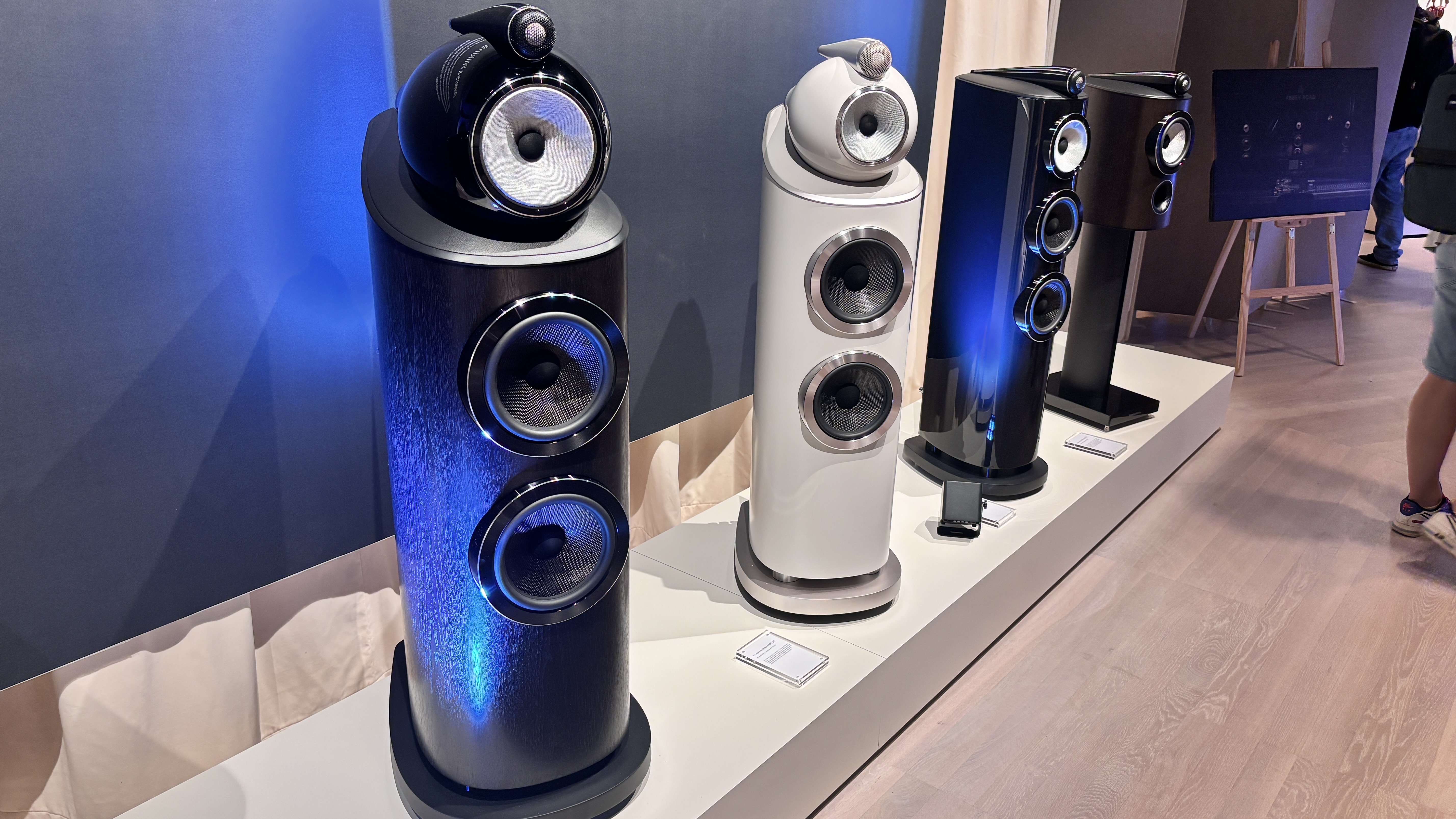
At first glance, there doesn’t seem to be too much to separate the two generations. The new D5 models look a little smarter in their updated finishes (stealth black, dark walnut, light walnut or warm white) and have neater detailing.
The floorstanding models in the range have more elegantly shaped plinths, too. But the overall look is much the same – and that is deliberate. This is entirely a case of ‘if it isn’t broken, don’t fix it’.
Those distinctive curved cabinets with midrange pods (on the larger models) and tweeter-on-top have long been part of the recipe for solid engineering reasons. Bowers & Wilkins isn’t a company that changes things without a good reason.
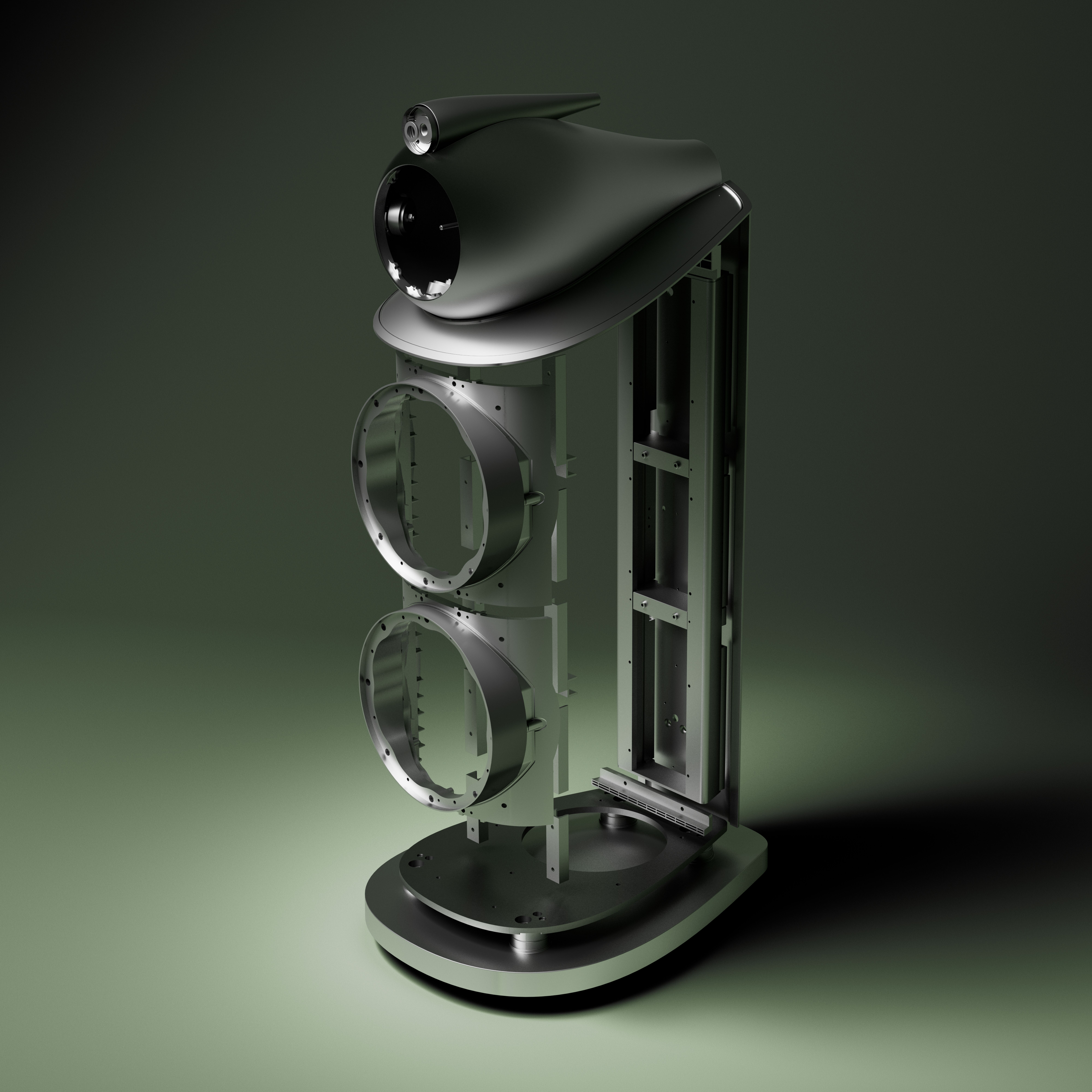
Delve into the details, however, and it becomes clear that the engineers have hardly been twiddling their thumbs over the past few years. Just about every part of the new range, it seems, has been revised.
The D5 cabinets are more rigid thanks to improved bracing and the use of more aluminium in their construction. Even the plinths on the floorstanders have been reworked to improve resonance control, rigidity and their appearance.
There are revised motor systems for the mid/bass and bass drivers, and tweaks to the tweeter unit for improved transparency. Add updated crossovers that use better-quality parts and improved internal wiring, and it is safe to say that the engineers haven’t just posted this one in.
Listening to 10 pairs of speakers: new-gen D5 compared with older D4 series
The benefits of their work are obvious once we start listening to the speakers. The idea is to listen to every product in the new range up against its D4 predecessor. That is ten different pairs of speakers to listen to in around a couple of hours.
Given the short time of our demo, and our unfamiliarity with the listening room and reference system, take the following as our first impressions of the new speakers, rather than anything more concrete.
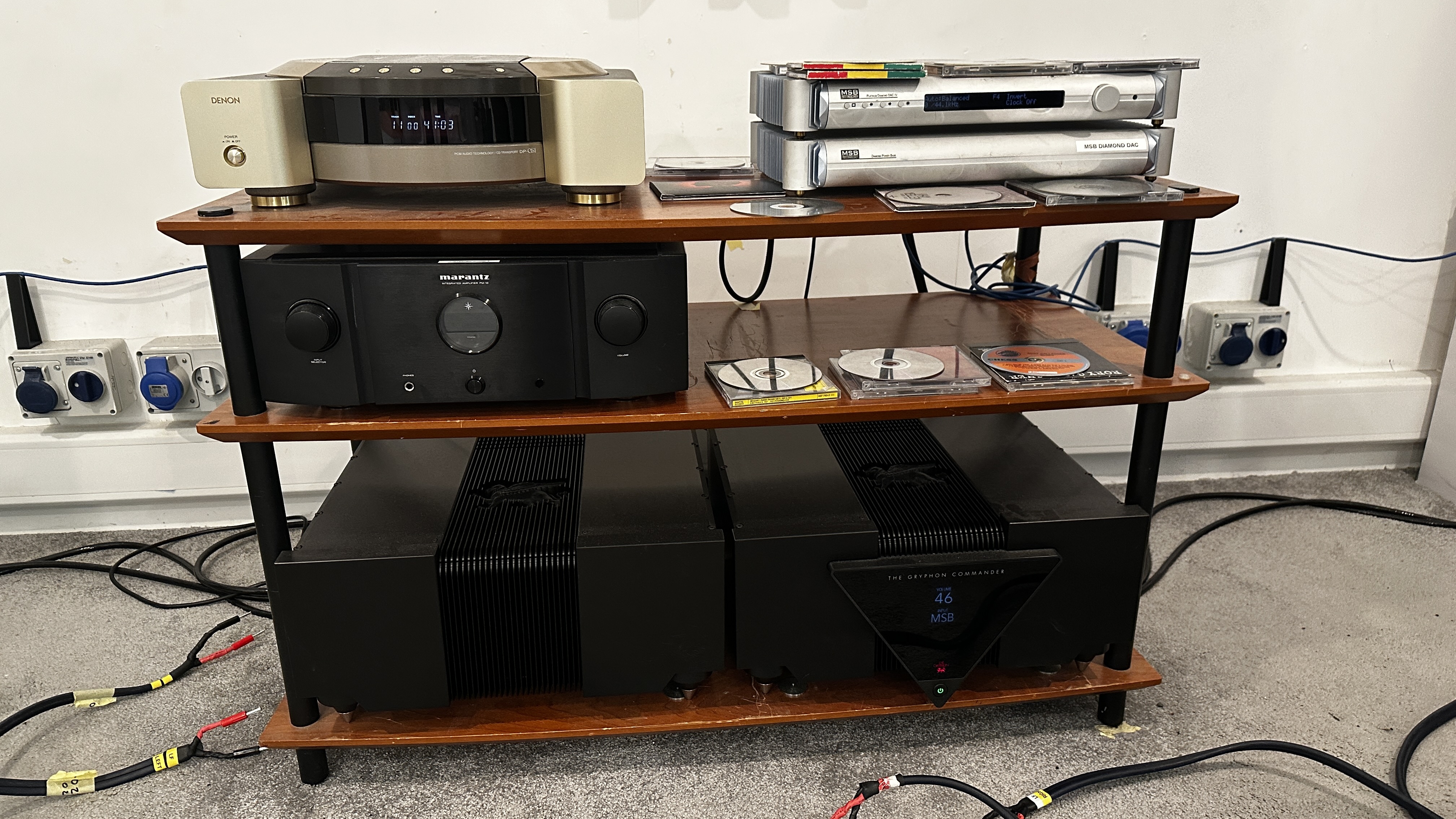
The Bowers & Wilkins reference system is an intriguing mix of old and new. The source is a high-end Denon DP-S1 CD transport from the early nineties, feeding a two-box MSB Platinum Diamond DAC IV/Diamond Power Base. Amplification duties are carried out by a two-box Gryphon Commander preamplifier feeding a pair of 225-watt Class A Apex monoblocs.
Given the number of speakers we need to hear in the short time we have, we swap between three songs: Harry Belafonte’s A Fool For You, Garden Song from Phoebe Bridgers and Agnes Obel’s The Curse. Of course, it would have been nice to include small- and large-scale classical, some jazz, rock and hip-hop tracks, but we don’t have that luxury in our demo time.
805 D5 vs 805 D4
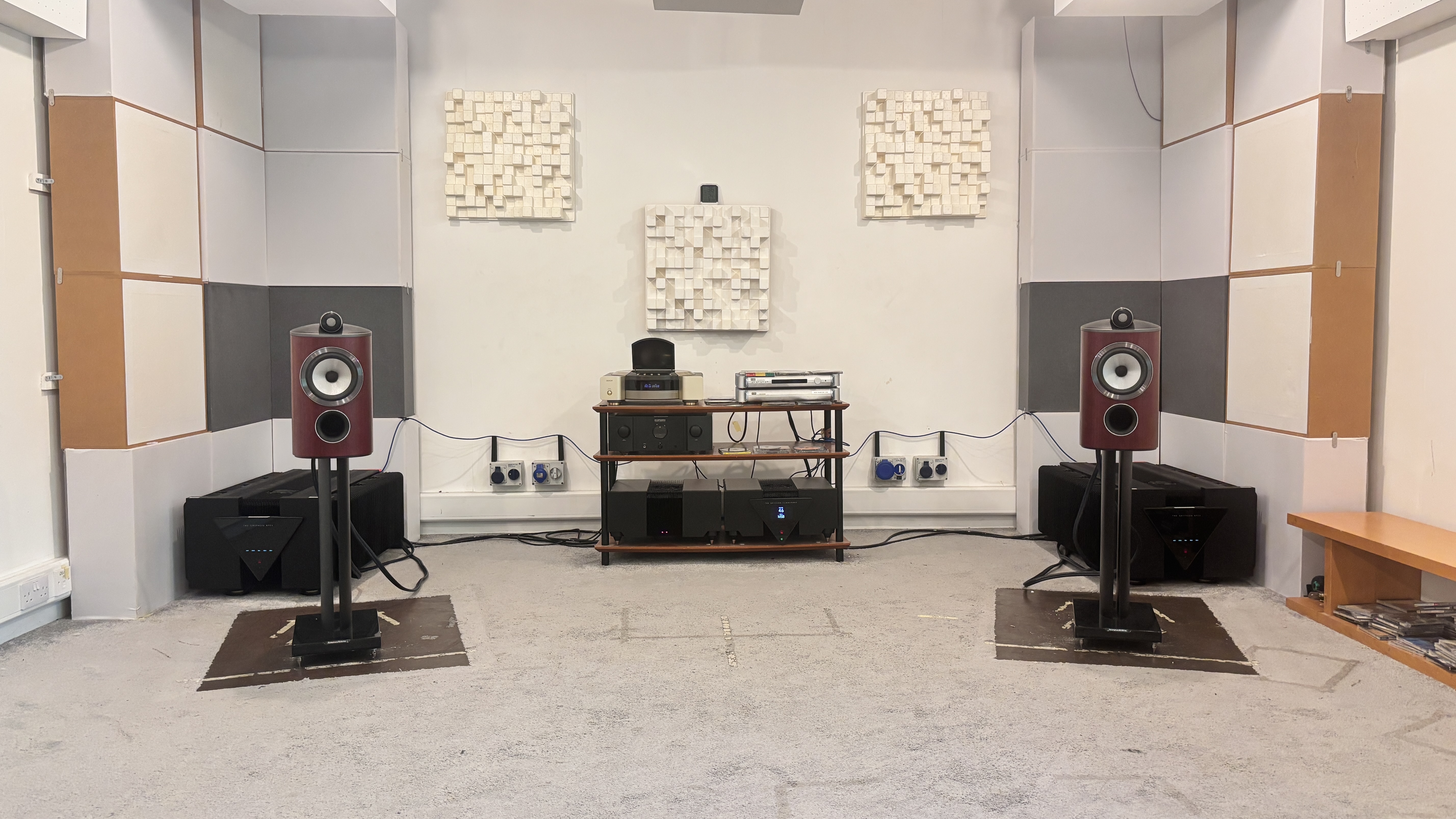
We start with the baby of the range, a pair of previous-generation 805 D4 standmounters. We reviewed these back in 2022, and listening to them again reminds us just how capable they are.
They still sound detailed and articulate with a lovely top-to-bottom cohesion. We are impressed by the 805’s expansive soundstaging and ability to focus voices and instruments so precisely.
There didn’t seem to be much leeway for the new D5 version to improve on matters; yet it took no more than a few seconds to realise that things were clearly better. Note, there is no notable change in character or tonal balance, with the new generation model clearly cut from the same cloth.
The new one moves ahead in terms of transparency and detail resolution; it just sounds cleaner, clearer and more precise. Any shortcomings in the source material are more apparent, so be aware of this if your music collection isn’t packed with high-quality audiophile recordings.
The 805 D5’s presentation is more up-front and seems louder even though there are no significant changes in speaker sensitivity between the generations. Dynamics are significantly more expressive, and the new model conveys contrasts with more authority.
The presentation is obviously more spacious, and the sense of image height is improved. Downsides? We can’t think of any at the moment.
804 D5 vs 804 D4
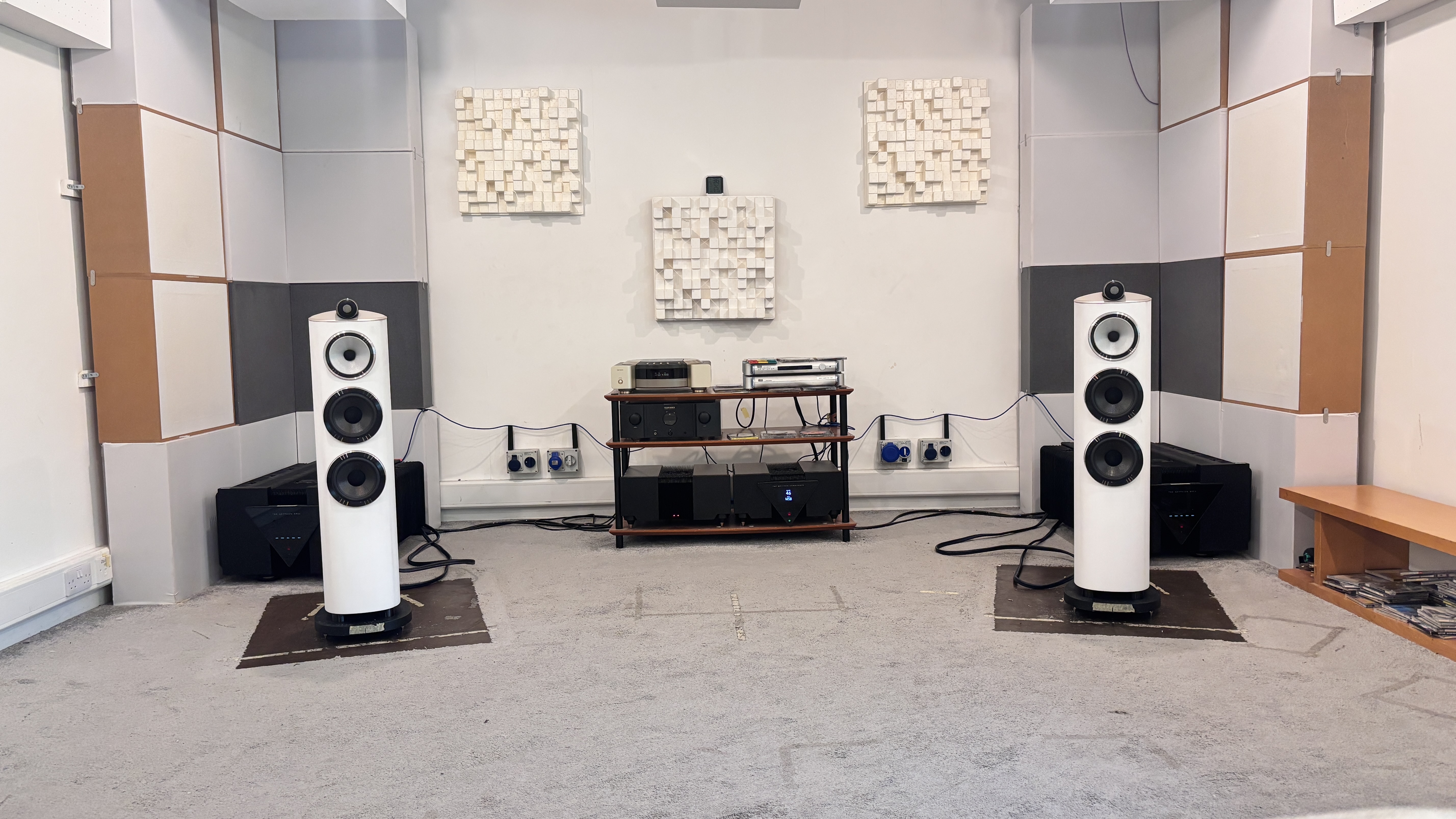
We move to the 804 D4 next. These are compact floorstanders that barely take up any more space than their smaller siblings on stands. The addition of a dedicated bass driver and larger cabinet volume makes itself felt with greater authority in the sound.
However, we are missing the 805 D5’s resolution and clarity. The smaller model sounds so much more insightful and expressive – as does the new D5 version of the 804.
Bowers & Wilkins engineers have worked hard on the 804 D5 to bring its performance more in line with the bigger floorstanding models in the range, with their separate midrange assembly. There is now a dedicated aluminium midrange enclosure hidden in the 804’s cabinet, and that gives these speakers a major uplift in sound quality.
The 804 D5 builds on the performance of its junior sibling, exhibiting even more scale to the presentation. However, we find there is now greater heft to the sound and an improvement to outright resolution over the 805 thanks to the dedicated midrange unit.
We think they sound even better than the previous generation 803 model we hear next. The 804 D5 just sound clearer and more insightful to our ears, even though the older speaker scores points for its authority and scale.
The advantages of the 803’s separate midrange enclosure are there to be heard in terms of dispersion. Still, overall, in most medium-sized rooms, we would go for the 804 D5.
803 D5 vs 803 D4
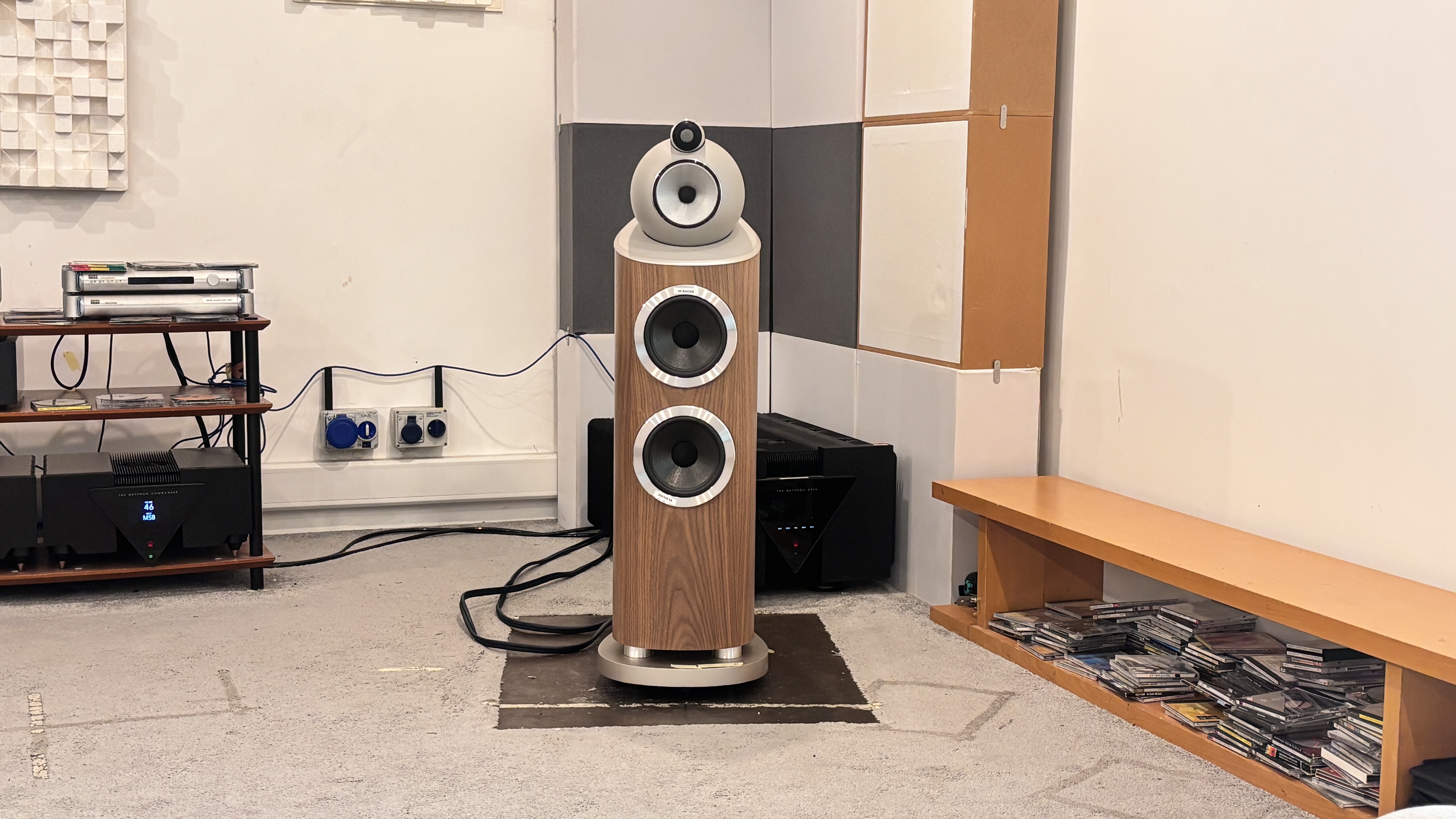
The status quo is restored when we move to the latest version of the 803. The D5 version gives us all the precision and transparency of the smaller model, but we also enjoy the benefits of its more elaborate enclosure arrangement.
This is the first model in the range that enjoys all of the company’s extensive suite of technologies, and the merits are obvious.
The combination of new mesh over the established diamond dome tweeter plus the separate midrange ‘head’ gives us a wonderfully expansive presentation. It is truly room-filling and is delivered with an excellent scale.
We love the precision of the stereo imaging and enjoy the lovely sense of height, with the sound seemingly coming from well above the speakers on appropriate recordings.
801 D5 and 802 D5 vs D4
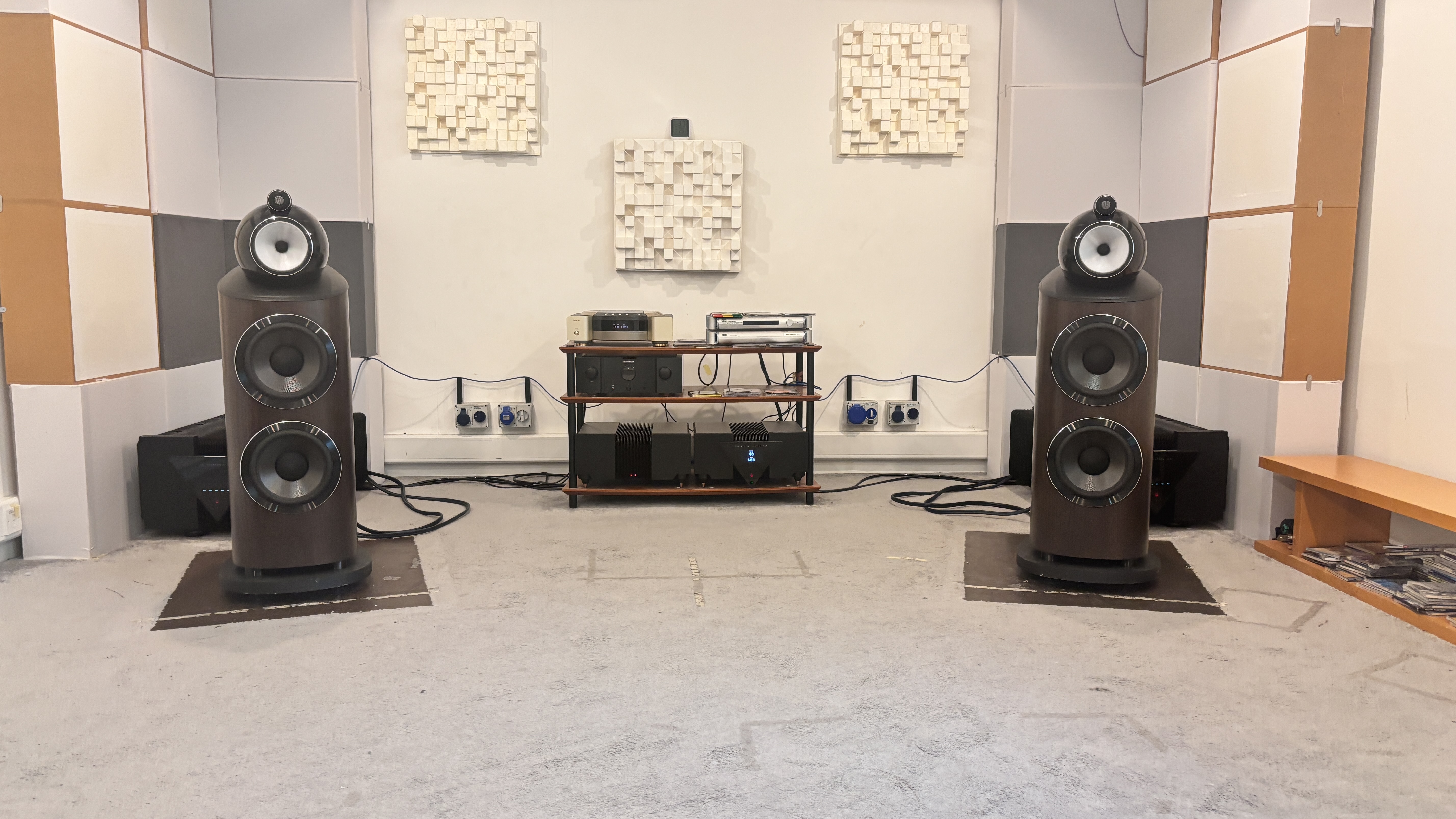
Moving to the larger models in the range mirrors the improvements between generations that we have heard up to now. As we move to the 802 and 801 D5 floorstanders, we are impressed with the consistency of character between the various models, and the gains of muscularity and low-end reach.
Listening to the top-of-the-range 801 D5 gives us a full dose of what the new range has to offer. Transparency and resolution levels are exceptional, allowing us to hear deep into the mix of each recording.
These speakers dig deep into the bass to the extent that we feel the low-frequency notes as much as we hear them. The speaker’s composure at high volume levels is impressive, with no hint of hardening or dynamic compression. If you like your music loud, you will love these.
Rhythmically, the range as a whole sounds surefooted. We aren’t sure that they will necessarily be the kind of performers that force you out of your seat when listening to dance tunes, but we need more listening time in the more familiar surroundings of our dedicated test rooms to confirm.
Early verdict
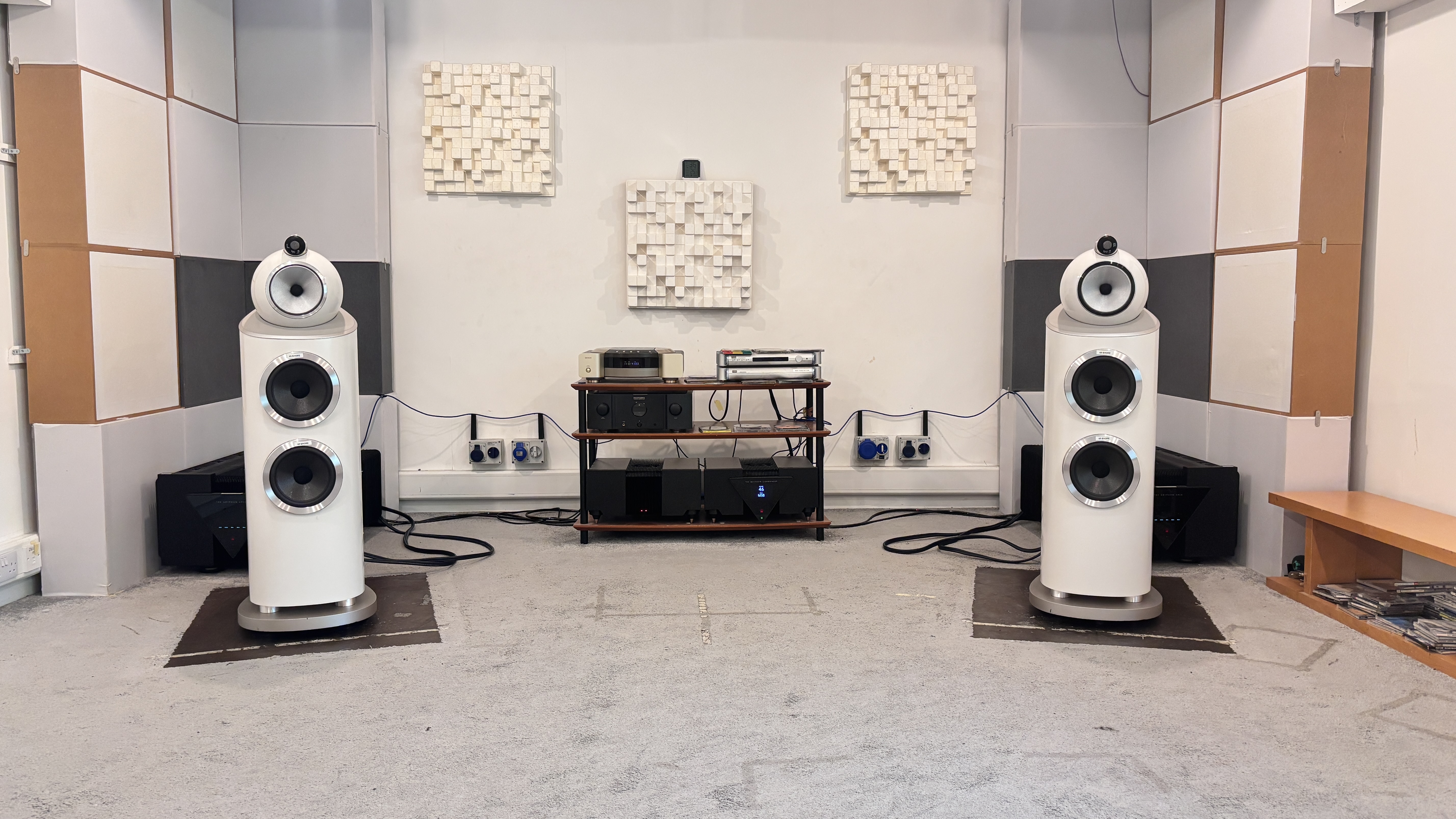
We admit, we are surprised. Given the similarity of the two generations, we were under the impression that there would be small, incremental performance changes between the D4 and D5 ranges, at best.
While there remains a consistency of character between the two generations, it is fair to say that the latest 800 Series Diamond D5 speakers are an appreciable step ahead of their direct predecessors. Provided you feed them a good enough signal, there seems little to complain about here.
We're looking forward to giving the B&W 800 D5 series the full, thorough What Hi-Fi? review treatment once we get final samples into our test rooms in due course. Stay tuned.
MORE:
10 of the most exciting hi-fi products we saw at High End Vienna 2026
Read the previous-generation Bowers & Wilkins 805 D4 review
5 game-changing iPod docks that shaped the modern wireless speaker market