The prime minister is warning of difficult months ahead as the Middle East oil crisis threatens to escalate, urging Australians to think of farmers, miners and tradies when filling up their car.
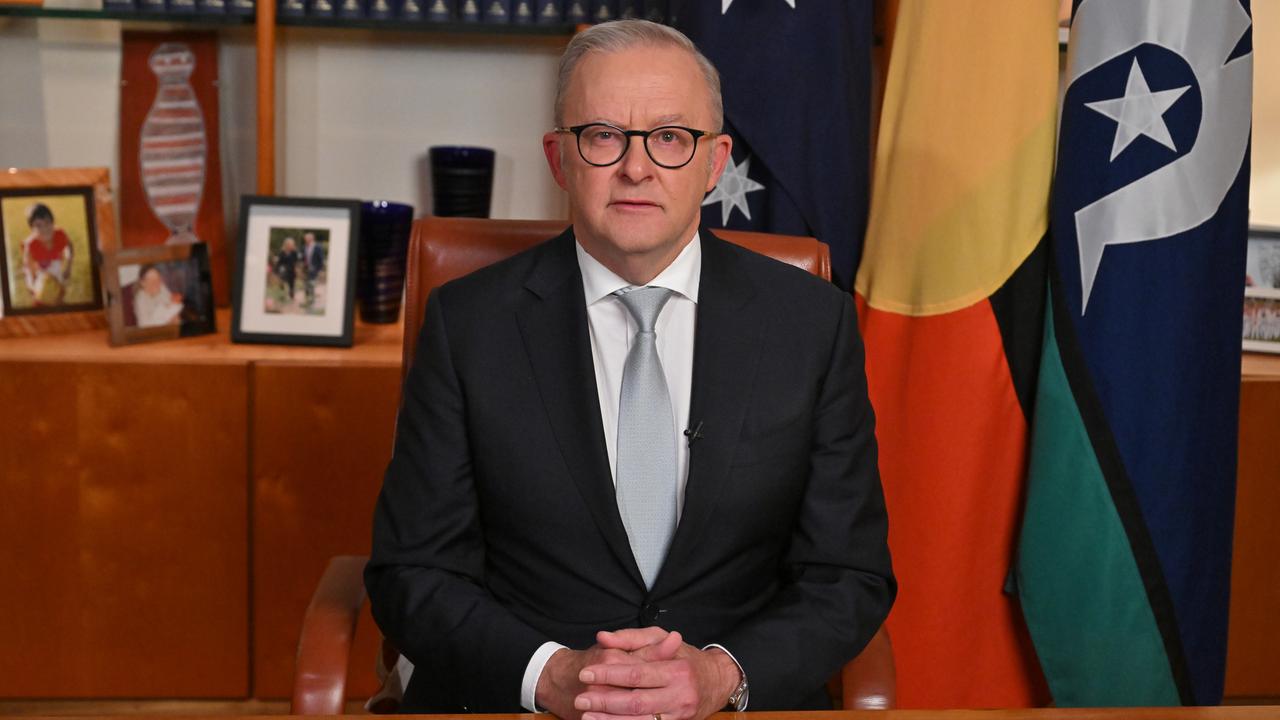
In a rare prime-time address to the nation, Anthony Albanese has asked people to consider getting public transport to work and not to take more fuel than they need as part of the government's efforts to conserve petrol and diesel.
"The months ahead may not be easy. I want to be upfront about that," he said in a speech broadcast on all major TV and radio networks.
"No government can promise to eliminate the pressures that this war is causing.
"These are uncertain times. But I am absolutely sure of this. We will deal with these global challenges the Australian way: working together, and looking after each other."
A simultaneous broadcast address to the nation has not been delivered since the height of the COVID-19 pandemic.
As the Easter long weekend approaches, Mr Albanese said motorists should fill up as they usually would.
"If you're hitting the road, don't take more fuel than you need," he said.
"Over coming weeks, if you can switch to catching the train or bus or tram to work, do so.
"That builds our reserves and it saves fuel for people who have no choice but to drive: farmers and miners and tradies who need diesel, every single day.
"And all those shift workers and nurses, who do so much for our country."
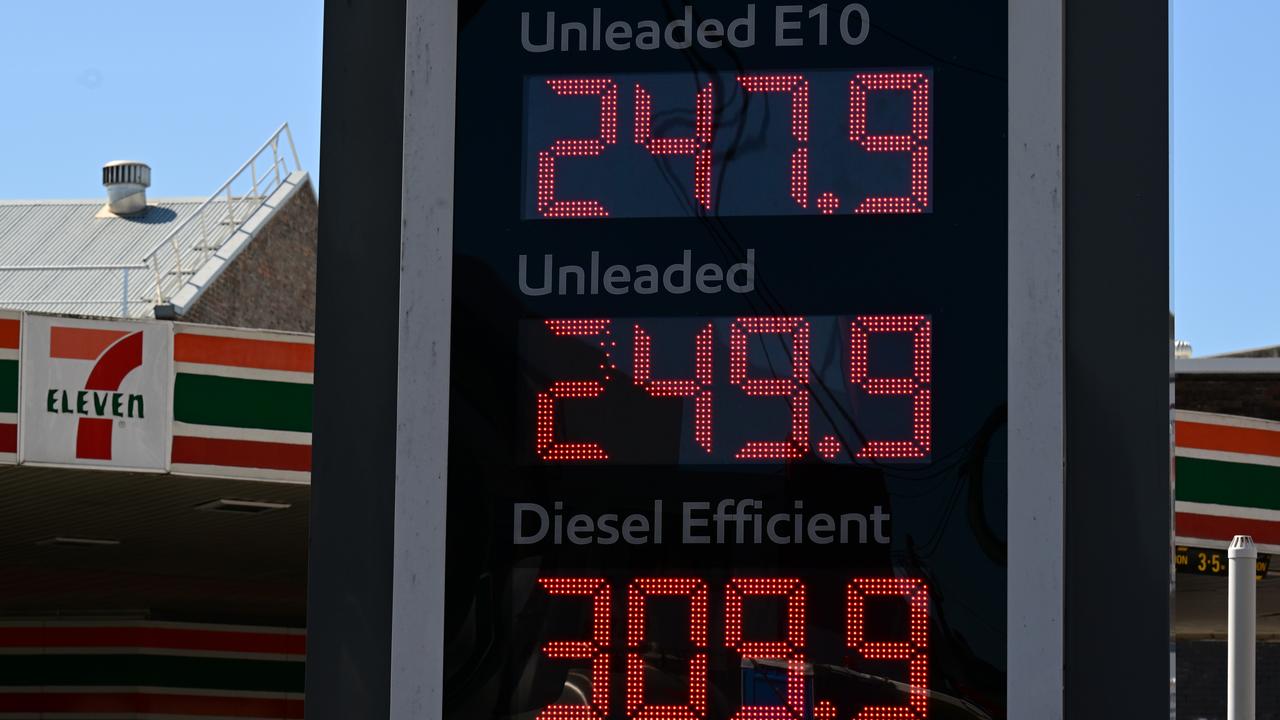
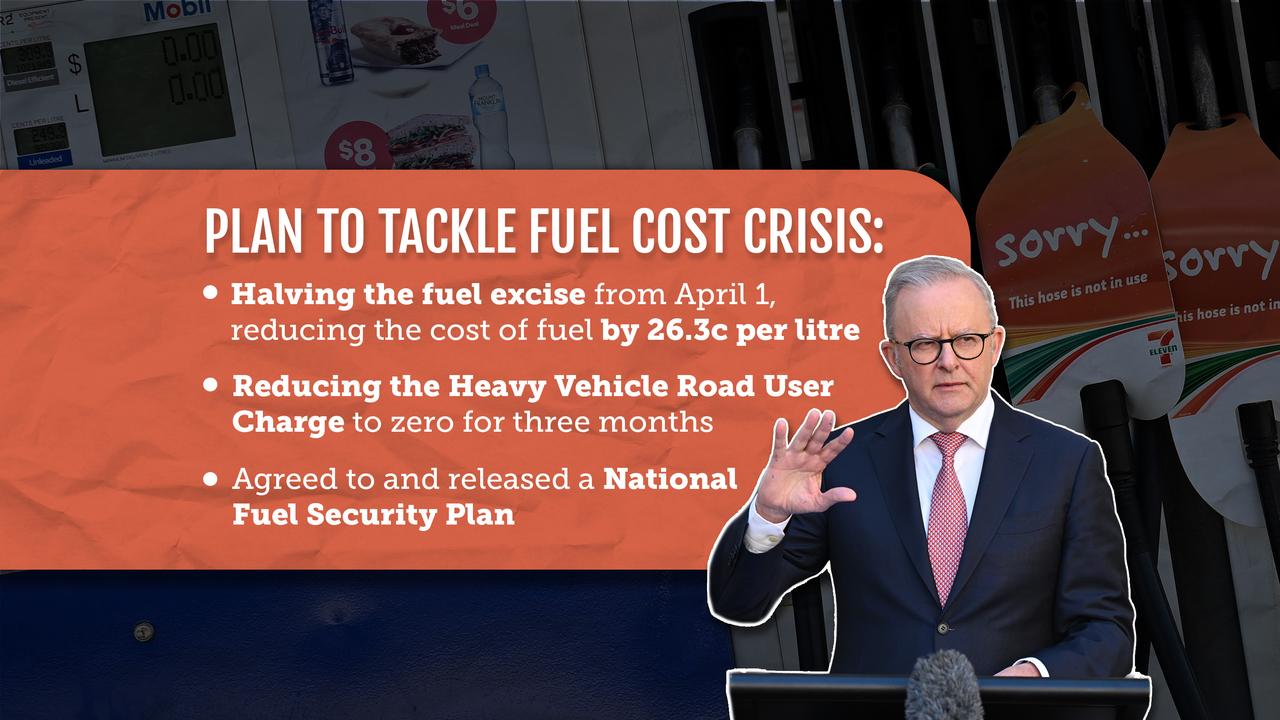
The speech coincides with a temporary halving of the fuel excise, shaving 26.3c per litre off wholesale petrol and diesel prices.
At the same time, WA Premier Roger Cook announced on Thursday the state would take immediate measures to activate emergency powers to compel industry to provide information on fuel supply chains.
The move would allow ministerial powers to compel suppliers to provide the data and information needed to ensure fuel is sent where it is needed most.
Mr Cook said despite assurances from major suppliers that fuel shipments were expected to continue to arrive in April at normal levels, the ongoing conflict had impacted the distribution of fuel in key regional areas and resulted in some mining and agricultural businesses experiencing shortages.
"I have been clear that I will put Western Australians' interests first to make sure fuel is flowing where it is needed most," he said.
"We have had success in ensuring fuel is reaching our regions, but our efforts are being hampered by not having full visibility of the fuel supply chain."
The NSW government's FuelCheck website showed average prices for E10 unleaded petrol had dropped more than 14c on Wednesday, the first day of the excise cut.
Diesel prices were down a more modest 6c, with many service stations experiencing shortages.
Regional service stations were unlikely to introduce lower prices for a couple of weeks as they needed to sell their older, higher-taxed stock before bringing in cheaper fuel, NRMA spokesman Peter Khoury told AAP.
That process would likely take anything from a day or two for high-turnover metro stations to two or more weeks for some regional sites, he said.
"Once they buy new fuel, they will pass the discount on at that point."
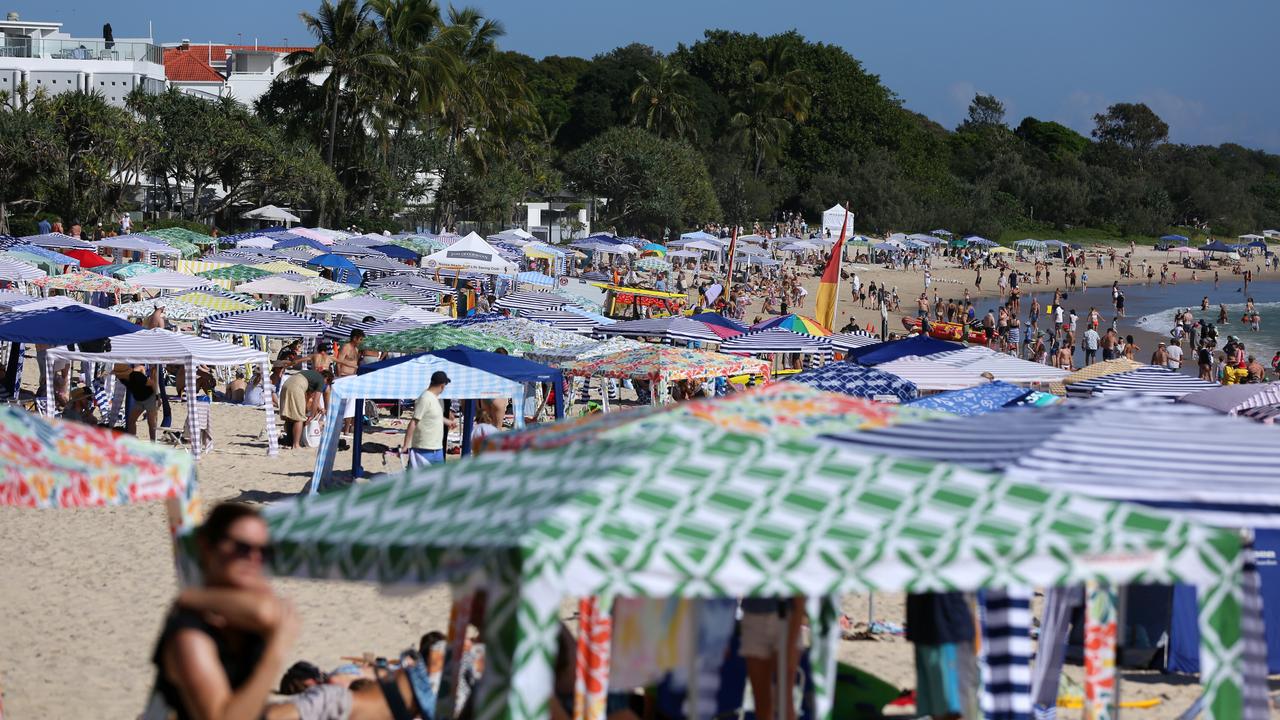
Data from the Tourism and Transport Forum compiled in late March found 41 per cent of Australians had cancelled or scaled back their Easter travel plans during the fuel crisis.
"Measures like the fuel excise cut are designed to ease pressure and we'll see over the coming days how much that shifts behaviour," forum chief executive Margy Osmond said.
"What we do know is that most Australians aren't giving up on holidays. They're adapting to make them work."