I have long felt that we must revolutionize how we manage chronic disease in America. Every day, I speak with patients who have experienced decades of patchwork care: a prescription here for high blood pressure, another there for cholesterol, another for blood sugar or mental health, then another to treat the side effects caused by some of these medications, often without meaningful guidance on lifestyle or long-term prevention. Our current system is reactive, pill-first, and stacked. It assumes that a handful of drugs can undo years of poor diet, little movement, sleep disruption, and stress that remain ongoing. This approach is not working. Chronic disease is not just present; it is soaring.
According to the latest data from the Centers for Disease Control and Prevention (CDC), nearly 76.4% of American adults, around 194 million people, reported at least one chronic condition. Among those, more than half live with multiple chronic conditions, and younger Americans are increasingly affected. These numbers are not just statistics: they are the parents, partners, coworkers, and friends I meet every day. And they represent lives constrained by illness, escalating medical bills, and avoidable despair.
Why does our system default to prescriptions? Partly because it's easier, and what patients expect. When physicians, often overwhelmed by time pressure and patient volume, can't deliver comprehensive care in 15- or 20-minute appointments, the simplest tool is writing a prescription. There is no time to coach a patient on how to shop for and prepare healthy foods, eat balanced meals, improve their sleep, or find realistic ways to increase activity. There is limited follow-up. Rather than addressing root causes or deprescribing when appropriate, patients end up with stacked prescriptions and limited guidance on how to improve their overall health.
This is not just wasteful; it's dangerous. It reinforces a cultural mindset: pills are a quick fix and much easier than cooking, walking, sleeping better, or reviving healthy habits. And while we chase symptom control, the underlying drivers of chronic illness continue to fester: ultra-processed diets, sedentary lifestyles, stress, inadequate rest. Year after year, chronic disease numbers climb.
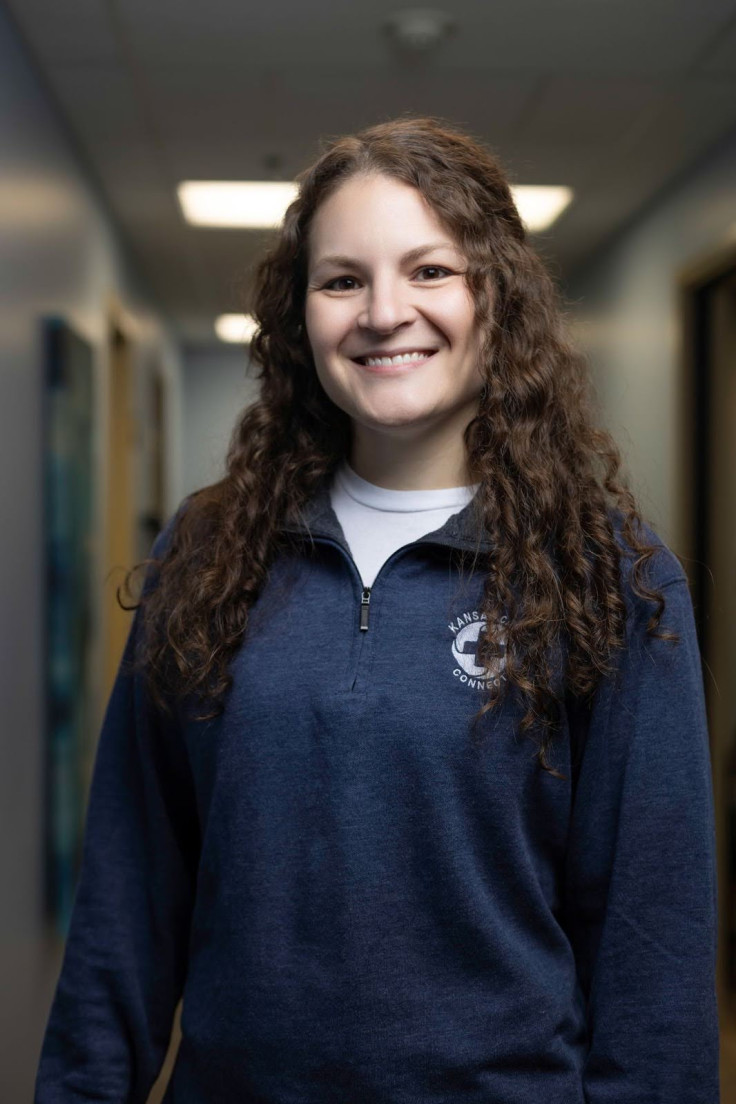
In order to address some of the fragmented care, I launched Kansas Care Connect (KCC) to help connect the dots in care for both patients and providers. Through KCC, patients get ongoing care coordination with dedicated nurse advocates, remote-patient monitoring, and real conversations about what "better" looks like to them. We have in-depth discussions with each person, listen to their goals, whether it's hiking with their children, cooking dinner without fatigue, or sleeping through the night. Together, we identify real barriers: time, money, energy. And then we build a plan composed of small, achievable changes and connect with resources if needed.
However, to address the full issue, we need a new paradigm. I call it "ChronicWELL." Under that vision, chronic disease doesn't have to mean illness or functional decline. With proactive, supported care, people can live full, functional, engaged lives, even if they are dealing with a chronic condition. ChronicWELL is built on basics: fresh, whole food; more sunlight; gentle, sustainable movement; better sleep; and simple daily habits over complicated regimens. Additionally, it partners with medical providers to ensure patients are educated about their condition to improve self-management.
We don't use the word "diet." Instead, we talk about acceptable swaps, whole grains for processed carbs, water for sugar-laden drinks, and a walk after dinner instead of an hour on the couch. Regarding medications, we are constantly evaluating and monitoring to see if they're necessary or contributing to other problems. We don't discard them, but we accompany them with lifestyle work and close follow-up, always with an eye toward minimizing and tapering if safe and appropriate. We celebrate small wins and keep timelines realistic.
I understand why many patients fear deprescribing. Taking a pill feels safe. They worry about relapse of their symptoms or losing disease control. Providers, too, may hesitate; prescribing is clear, fast, and within their comfort zone. But with ongoing support, remote monitoring, health coaching, and regular check-ins, tapering can be safer and far more sustainable than leaving someone on an ever-growing cocktail of medications.
But ChronicWELL is not just one program; it's a movement with a built-in ecosystem. The ChronicWELL vision includes whole-person care with individualized guidance, community-based support, peer connection, and practical help for day-to-day changes. It incorporates health coaching and fitness with the AgeYoung program, designed for aging adults who can't just jump into a mainstream gym culture but want to move, feel better, and regain vitality. I see educational workshops, public speaking events, and advocacy efforts that change how society talks about chronic disease. I also envision health tools and resources such as planners, educational materials, and clinical toolkits that practitioners can hand to patients when they walk out of the office, so patients are never sent home empty-handed.
This is not about working against providers. Quite the opposite. I want to partner with them. I'm here to make their jobs easier, to give them tools, time, and support to deliver the kind of care their patients deserve. I'm offering an alternative to rushed visits and reflexive prescribing.
If we do nothing, those chronic-disease trends will only worsen. More families will face debilitating illness, financial strain, and preventable tragedies. But if we embrace chronic wellness, if health systems, payers, providers, patients, and families commit to proactive, continuous support, we can change the trajectory. Chronic illness doesn't have to be a life sentence. It can be a prompt. A prompt to live differently, to prioritize health, to reclaim agency.
I believe in a future where chronic disease doesn't define us; where we live chronically well instead of chronically sick.
About the Author:
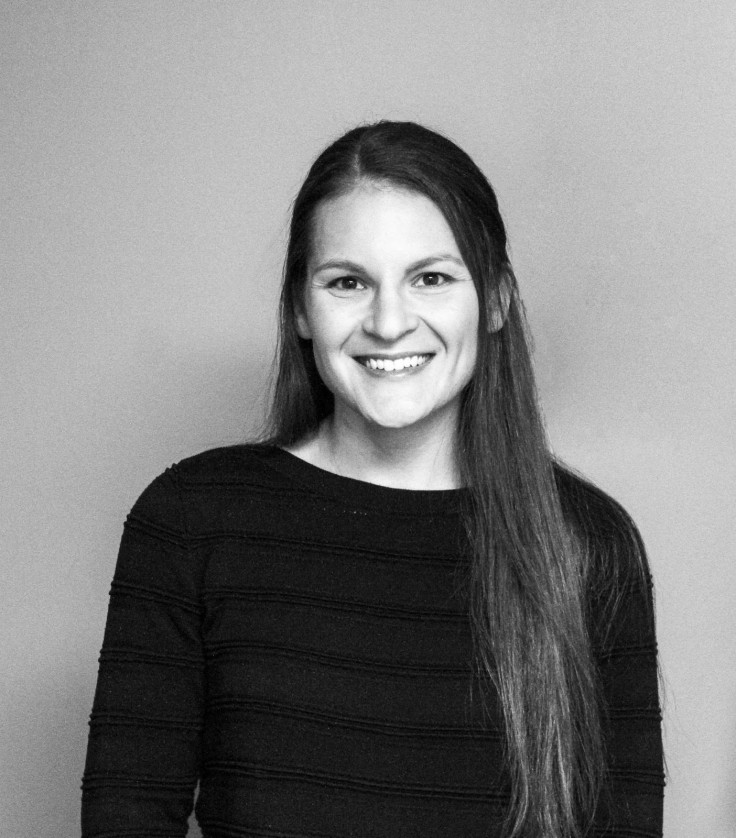
Rachael Rivero is a board-certified adult geriatric nurse practitioner and chronic disease advocate. She is the founder of Kansas Care Connect (KCC), which specializes in Medicare's care management programs. She is also currently developing ChronicWELL, a movement with a mission to flip the script on chronic illness, challenging outdated assumptions, removing stigma, restoring dignity, and creating empowering, person-centered systems of care that put wellness back into the story. She is committed to transforming how America treats chronic illness, shifting from reactive to proactive, lifestyle-centered care.