As the US tax season approaches, Wall Street is preparing for a liquidity test in the money market. This annual event is crucial for financial institutions and investors to gauge the impact of tax payments and refunds on market liquidity.
The tax season typically leads to fluctuations in the money market as individuals and businesses adjust their cash positions to meet tax obligations. This can result in temporary imbalances in supply and demand for short-term funds.
Financial analysts are closely monitoring the situation to assess how the market will respond to the influx of tax-related transactions. The Federal Reserve and other regulatory bodies are also keeping a close eye on market dynamics to ensure stability and prevent any disruptions.

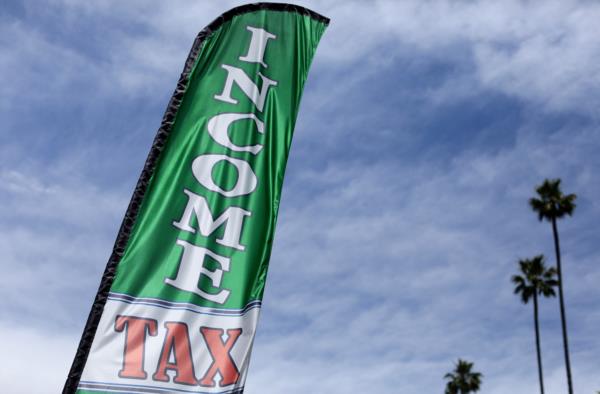
Wall Street firms are implementing strategies to manage potential liquidity challenges during the tax season. This may involve adjusting their cash reserves, optimizing funding sources, and closely monitoring market conditions to make timely decisions.
The tax season liquidity test is an important benchmark for the financial industry to evaluate its resilience and risk management practices. It provides valuable insights into how well institutions can navigate periods of heightened market activity and maintain stability.
Overall, the upcoming US tax season presents a significant opportunity for Wall Street to demonstrate its ability to effectively manage liquidity and ensure smooth market operations. By proactively preparing for potential challenges, financial institutions can enhance their credibility and strengthen investor confidence in the stability of the money market.