
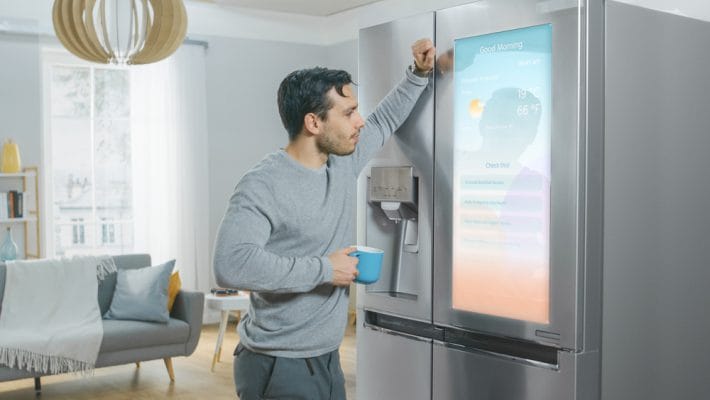
Your refrigerator used to do one thing: keep your food cold. Today’s smart refrigerators can show you what’s inside while you’re at the grocery store, notify you when milk runs low, and even suggest recipes. But those convenient features come with a hidden cost—data collection. Many connected appliances track how often you open the door, what foods you buy, and when you’re home or away. Increasingly, experts warn that this smart fridge data privacy issue may reveal far more about your daily life than most people realize.
Smart Fridges Track More Information Than You Might Expect
A modern smart refrigerator is packed with sensors, cameras, and internet connectivity. These devices can monitor when the door opens, what temperature settings you use, and even what foods are stored inside.
Some models also track consumption patterns to recommend grocery lists or recipes. That information may seem harmless, but it creates a detailed picture of your lifestyle and routines. Experts say this growing data stream is a major concern in the broader conversation around smart fridge data privacy.
Your Appliance May Send Data Back to Manufacturers
When your smart fridge connects to Wi-Fi, it often communicates regularly with the manufacturer’s servers. Testing by researchers found that connected appliances can send several megabytes of data each week back to companies. That data may include usage patterns, device status, and other technical information about how the appliance is used.
Manufacturers often claim the data improves product performance and diagnostics. However, privacy advocates argue that the scale of information collected raises serious smart fridge data privacy questions.
Apps Linked to Smart Appliances Can Collect Personal Details
Many smart refrigerators require a companion smartphone app to unlock their full features. These apps can collect personal information such as ZIP codes, phone numbers, and even geolocation data. Some apps also include third-party trackers that gather additional behavioral data.
This information can be used for product analytics, targeted advertising, or building customer profiles. When combined with appliance usage data, these profiles deepen the smart fridge data privacy concerns many experts highlight.
Data Brokers Turn Household Habits Into Marketable Profiles
Data brokers specialize in gathering information about consumers and selling it to advertisers, analytics firms, or other organizations. These companies compile detailed profiles that can include shopping habits, household demographics, and lifestyle patterns.
Because the United States lacks comprehensive federal oversight for data brokers, consumers often cannot see what information is collected about them. In many cases, these datasets are sold in large lists to companies seeking marketing insights. When appliance data enters that ecosystem, the smart fridge data privacy debate becomes even more complicated.
Smart Home Devices Can Reveal Your Daily Routine
One of the biggest privacy risks comes from behavioral insights hidden within device data. For example, a fridge that records when it’s opened could reveal when you wake up, eat meals, or leave for work.
Over time, those patterns can indicate household schedules and occupancy habits. Researchers note that many smart home devices collect this type of continuous data with limited transparency.
Many Consumers Don’t Realize How Much Data Is Collected
Surveys show a surprising gap between consumer awareness and reality. In one study, more than half of homeowners said they didn’t understand how data from smart home devices is collected or used.
Even fewer people reported reviewing privacy policies before buying connected devices. This knowledge gap means many households may unknowingly consent to extensive data collection. As smart homes expand, improving smart fridge data privacy awareness is becoming increasingly important.
Convenience Often Wins Over Privacy Concerns
Despite the risks, smart appliances continue to grow in popularity. Features like remote monitoring, grocery reminders, and energy-saving settings make daily life easier.
Many users accept data collection as a trade-off for convenience. Unfortunately, that convenience can normalize constant digital monitoring inside the home. As adoption grows, balancing innovation with smart fridge data privacy protections becomes increasingly urgent.
You Can Reduce Data Collection With a Few Simple Steps
The good news is that consumers still have some control over smart appliance data. Disabling unnecessary features or limiting app permissions can reduce what information is collected.
Some homeowners choose to connect appliances to guest Wi-Fi networks to isolate them from personal devices. Reading privacy policies and adjusting settings can also limit data sharing with third parties. Taking these steps can help protect your smart fridge’s data privacy while still enjoying connected features.
The Hidden Trade-Off Behind Your “Smart” Kitchen
Smart appliances promise convenience, efficiency, and futuristic features that make daily life easier. But behind those helpful alerts and recipe suggestions lies a powerful stream of behavioral data. Companies, advertisers, and data brokers see tremendous value in understanding how households actually live and consume products. That means your refrigerator could reveal far more about you than what’s inside it. As connected homes become the norm, understanding and protecting smart fridge data privacy may be just as important as choosing the right appliance.
Would you still buy a smart refrigerator if you knew how much data it might collect about your household habits? Share your thoughts in the comments.
What to Read Next
AI Health Companions: The $20 Tools Helping Seniors Stay Independent Longer
7 Ways to Make Your Smartphone Less Useful to Scammers
The $30 Amazon Fix That Could Prevent a Serious Injury