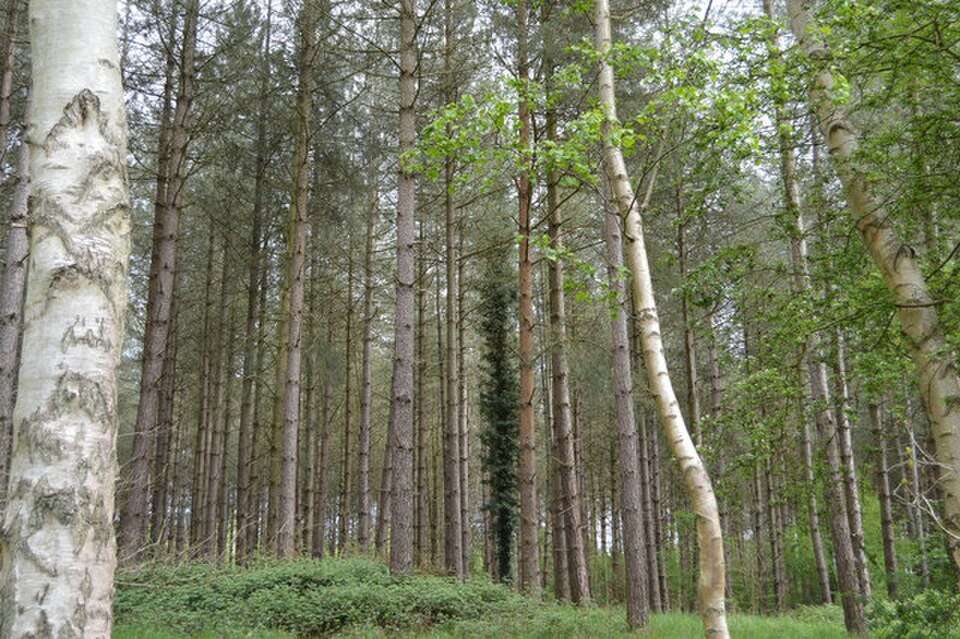
Over the last century, Wales has planted large areas of fast-growing conifer trees to meet demand for timber. As a result, the country developed large commercial forests. However, decades later, researchers found that some rivers flowing through heavily forested catchments had become more acidic, with fewer Atlantic salmon in affected areas.
Get breaking news anytime, anywhere. Download the TOI app now!
This history has drawn renewed attention as UK governments continue to plant more trees to meet climate and biodiversity goals. Scientists say the experience of Wales highlights an important lesson: planting trees alone is not always enough. The choice of species, location and management practices can shape how forests affect surrounding ecosystems.
Forest expansion in Wales
According to the UK government’s Forestry Statistics 2024 report, the UK has around 3.28 million hectares of woodland, covering about 13.5 percent of the country’s land area. In Wales, woodland covers roughly 312,000 hectares, or around 15 percent of the nation’s land area.
Conifer forests account for approximately 139,000 hectares in Wales. Large-scale conifer planting expanded across many upland areas of Wales during the post-war decades, with fast-growing species such as Sitka spruce and lodgepole pine widely planted on acid-sensitive soils.
According to Forest Research , these plantations played an important role in creating a reliable domestic timber supply. However, over time, scientists began to examine the wider environmental effects of these large-scale plantations.
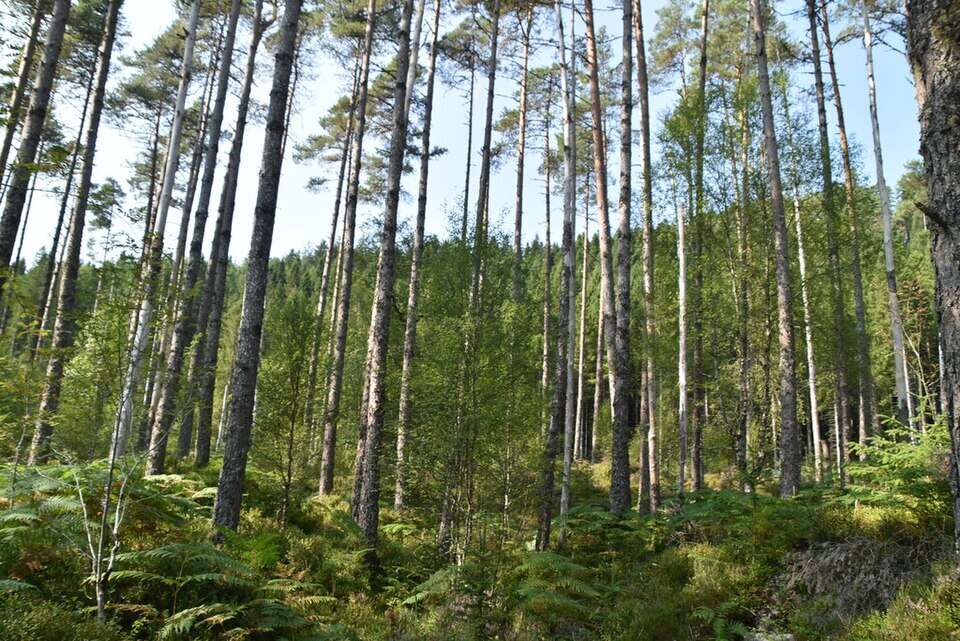
Heavy tree cover in catchments was associated with acidified rivers
Researchers found that some rivers flowing from conifer plantations showed increased acidity. One of the key studies on this subject was conducted by the UK government’s Acid Waters Monitoring Network, which monitored the impact of acid deposition on lakes and streams.
The research found that upland catchments with dense conifer plantations could experience greater acidification than nearby non-forested areas. This was linked to the ability of evergreen trees to intercept airborne pollutants, particularly sulphur and nitrogen compounds, which could later enter soils and streams through rainfall and drainage.
As explained in the Forestry Commission research note “ Forestry and Surface Water Acidification ,” surface waters near dense conifer plantations in acid-sensitive areas can become more acidic before harvest. The process occurs because tree canopies capture pollutants from the atmosphere, allowing them to be deposited into surrounding ecosystems.
Trees themselves are not the source of pollution; instead, their dense evergreen canopies capture airborne pollutants more effectively than open land, and those pollutants can later reach streams through rainfall and soil drainage.
Atlantic salmon were among the species affected
Acidic rivers create difficult conditions for freshwater animals, including Atlantic salmon. Research has shown that acidification can reduce salmon survival by increasing the movement of harmful forms of aluminium from soils into streams.
Salmon juveniles are especially vulnerable in their early life stages, when even small changes in water chemistry can reduce survival. Scientists have emphasised that forestry was only one part of a much larger environmental problem.
Acid rain caused by industrial emissions across Europe was the primary driver behind widespread freshwater acidification. The influence of conifer plantations was most significant in particular catchments where forests increased the movement of pollutants into streams.