Your alarm might go off at 7 a.m. but some days it feels like you don't actually wake up until hours later, when your coffee finally kicks in and you can shake off the lingering feeling that you should still be in bed.
This drowsy, zombie-like start to the day is known as sleep inertia and Sam Sadighi, sleep expert at GetLaidBeds, has a two-step trick for beating fatigue and starting the day energized. And yes, it's even better than coffee.
Combining the 'photic reset' of looking at the sky with a healthy breakfast is "one of the most effective tools we have against sleep inertia," says Sadighi. Here's how it gives you a better boost than caffeine.
Key take-aways: At a glance
- Looking at the sky early in the morning helps suppress sleepy-hormone melatonin so you feel more awake.
- A healthy breakfast kickstarts your metabolism, so your body knows it's time to wake up.
- Combined, these two factors wake up both the brain and the metabolic system.
- Caffeine helps block adenosine, a neurotransmitter responsible for making us want to go to sleep.
- But looking at the sky clears away adenosine, so you feel more awake, faster.
2-step routine for a morning energy boost
1. The 'Sky-Blue' fix
When it comes to starting the day with a spring in your step, Sadighi thinks almost nothing beats the 'sky-blue' fix.
"There are few things more effective than people looking at the sky, not the sun, within 20 minutes of waking," says the founder of Easy Sleep Solutions.

"Sleep inertia is that 'foggy' feeling caused by leftover adenosine (the sleepiness chemical) and the slow transition of brain waves," explains Sadighi. "Sunlight, specifically the blue light found in the morning sky as it hits your eyes, sends a direct signal to the brain to shut down melatonin and trigger the Cortisol Awakening Response."
In other words, morning light exposure tells your brain to stop pumping out sleep hormones and to increase the production of awake hormones (aka cortisol.)
And don't worry if you've woken up to an overcast morning — looking at gray skies still has a benefit.
"Even on a cloudy day, the lux levels outside" — that's the intensity of light — "are significantly higher than indoors," says Sadighi.
2. The 'Gut-Brain' kickstart
Part two of this two-step routine is eating a healthy breakfast.
"Making sure that you have a nutritious breakfast that is high in protein and healthy fats, as soon as you can stomach it after waking, will help to kick start your circadian rhythm," explains Sadighi.
She describes a good breakfast as one of the "time setting modules for our circadian rhythm," as it gets your metabolic system up and going, sending a clear signal that the day is underway.
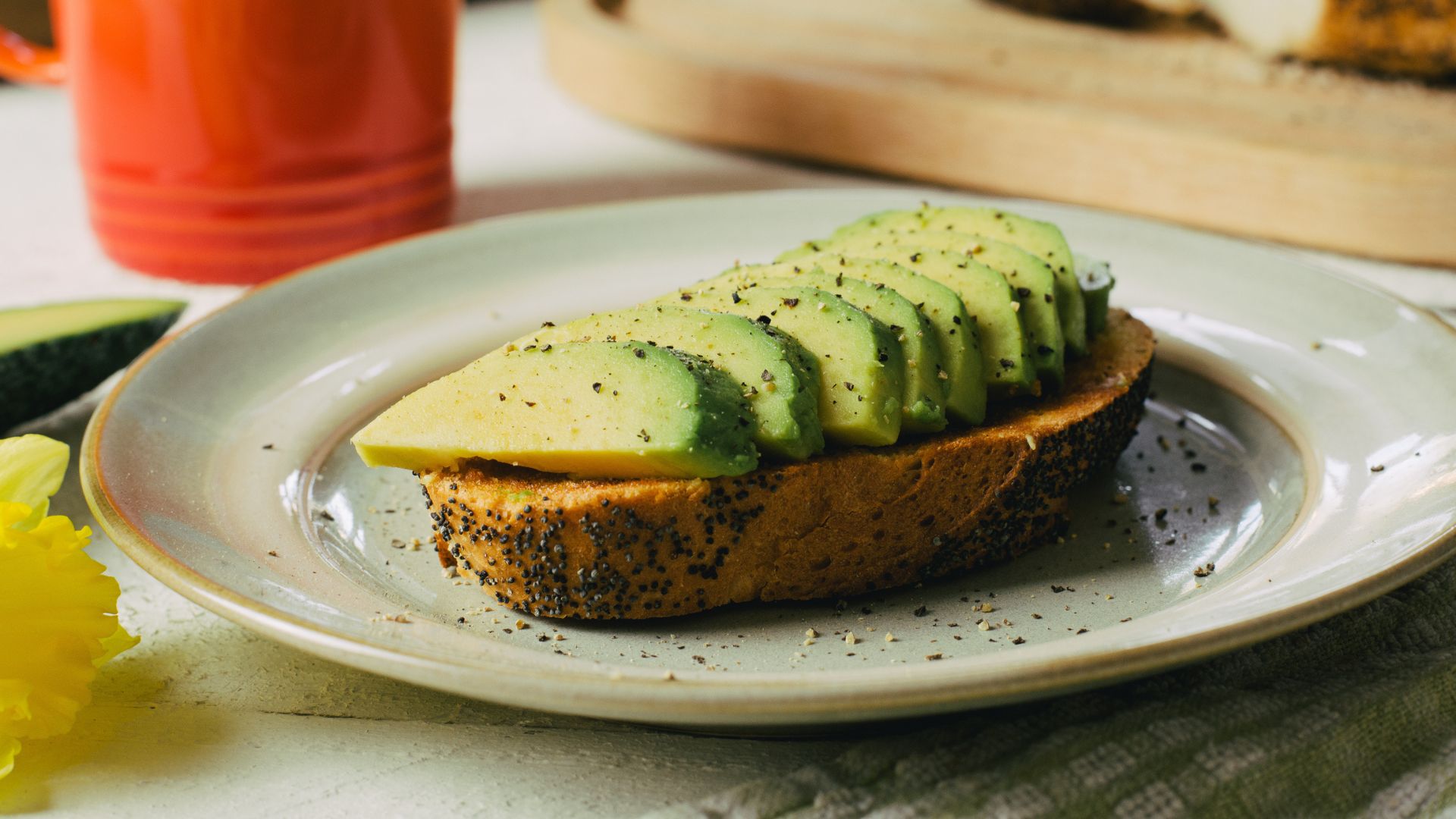
But you don't just want to get your gut working; you want to provide it with the right food to fuel the day.
Sadighi recommends a "high-protein, high-fat breakfast", and avoiding foods that are rich in starchy carbs.
"Reducing the amount of starchy carbs you consume prevents the sugar crash, which can make us feel a bit ‘meh’ later, even if we’ve slept well," she notes.
So what should you be eating? Here's what the sleep expert recommends:
- Eggs and avocado on sourdough
- Greek yoghurt with nuts and chia seeds
Why does this 2-step routine give you energy?
The 'sky-blue' hack and the 'gut-brain' kickstart alone can help you wake up feeling fresher, but it's when you combine the two that the magic happens.
"By combining the light with breakfast, you are waking up two systems at once: your brain and your metabolic system," explains Sadighi.
She notes that sleep inertia is often caused by "adenosine fog." Adenosine is a neurotransmitter that creates your 'sleep drive' or desire to sleep. In the morning, adenosine is still lingering, causing your first-thing drowsiness.
But the "dual-signaling" of this two-step routine helps clear the fog, even more effectively than caffeine.
"While caffeine just blocks sleepiness receptors, [this routine] actually flushes the system, effectively shortening the duration of sleep inertia from hours down to minutes,” says Sadighi.
But you don't have to cut caffeine out entirely — just enjoy your morning cup alongside a good breakfast and some sunlight.