Image Source: Shutterstock.com
When was the last time a grocery aisle felt like a life-changing pivot point for parents everywhere? If you feed babies — or know someone who does — Virginia’s bold new baby-food safety law is exactly that kind of seismic shift. Starting January 1, 2026, the Commonwealth of Virginia enacted the Baby Food Protection Act, a state law that makes it illegal to sell, offer, distribute, or manufacture baby foods containing toxic heavy metals. That’s huge — not only in Richmond but as a bellwether for consumer safety trends nationwide.
We’ve got the scoop on how this law works, why it matters, and a spotlight on five well-known baby-food brands that have faced scrutiny for heavy metal concerns in the past and are squarely in the safety conversation now that the law is live.
What Virginia’s Baby Food Law Actually Does (And Doesn’t)
To start with the truth that matters: this law doesn’t say “Brand X is banned forever.” What it does say, in plain English, is that any baby food on the market in Virginia must meet strict heavy-metal limits — and manufacturers have to prove it. If a product contains lead, arsenic, cadmium, or mercury above the FDA’s established action levels, it simply cannot be sold in the state. That applies whether it’s in a jar, pouch, or squeezable pack.
The law also requires companies to post test results online and attach QR codes on packages so curious shoppers can scan and see what’s inside — a move that feels more high-tech than you might expect for a jar of peas.
Heavy Metals and Why They Matter to Your Baby’s Brain
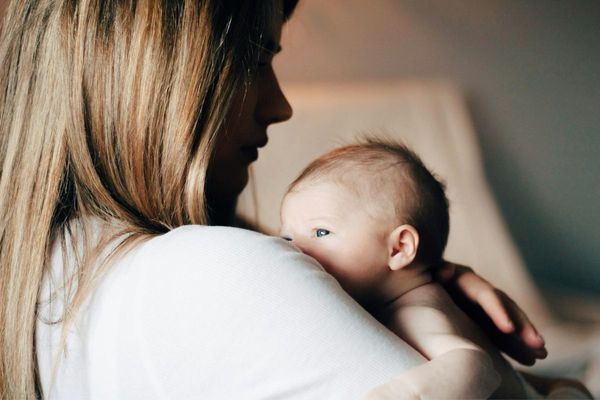
“Why all the fuss about lead or arsenic?” you might ask. The short answer: even at low levels, toxic heavy metals can negatively affect brain development in infants and toddlers, whose nervous systems are still forming. Health experts warn that chronic exposure — even through food — may contribute to developmental issues later in life.
It’s not that every baby food ever made has dangerous amounts. But decades of independent testing have found that many popular baby food products had detectable levels of heavy metals, including arsenic and lead — sometimes above what experts now consider safe for ingestion by infants.
1. Gerber (Nestlé) – Once America’s Baby Food Standard
Gerber is arguably the most iconic baby food brand in the U.S. yet has repeatedly appeared in independent testing reports showing elevated levels of heavy metals like arsenic and lead in some products. While not legally banned nationwide, those products could fall afoul of Virginia’s standards if they don’t meet FDA action levels under the new law.
2. Beech-Nut Nutrition Co. – A Legacy Brand Under Pressure
Beech-Nut has also been flagged in heavy-metal testing analyses in the past decade. That doesn’t mean all of its products will be prohibited, but specific batches or items exceeding toxic metal limits won’t be legal in Virginia after the new law takes effect.
3. Happy Family / Nurture, Inc. – Organic Isn’t Always Enough
Happy Family’s products, including those marketed as organic, have appeared in testing with measurable amounts of arsenic or cadmium. Under Virginia’s law, organic status alone won’t protect a product that doesn’t meet safety limits — so look for updated testing disclosures.
4. Earth’s Best Organic (Hain Celestial Group) – Organic Flag, Metals Questioned
Earth’s Best has also been cited in heavy metal test results in the past. Again, that doesn’t mean every item from the brand is illegal — but it could be banned from sale in Virginia if any products exceed limits when they were made or tested after Jan. 1, 2026.
5. Plum Organics – Popular With Parents, But Under Watch
Plum Organics products have surfaced in investigations for arsenic and lead in some products. Like the other brands above, specific non-compliant items could be barred from Virginia store shelves under the new law’s strict testing regime.
Image Source: Shutterstock.com
What This Means for the Future of Baby Food
The Baby Food Protection Act is more than a law — it’s a signal. States across the country are watching. If transparency and safety standards like Virginia’s spread, you may soon see similar shifts nationwide. For consumers, that means more data and more power. For manufacturers, it means innovation and stricter testing.
In a world where the safety of even the smallest bites matters, Virginia is raising the bar for everyone.
And now it’s your turn. Do you support the new law? Are you changing how you shop for baby food because of it? Sound off in the comments below.
You May Also Like…
Beyond The Label: 8 Everyday Products Dangerous For Babies
9 Traditional Family Routines That Help Kids Feel Secure
6 Kid-Friendly Foods That Were Recalled This Month
7 Lunch Foods That Make Kids a Target for Teasing
Virginia Law: The “Baby Food Protection Act” Just Banned These Brands from Shelves
The post Virginia Baby Food Ban: 5 Specific Brands Just Prohibited Under New Safety Laws appeared first on Kids Ain't Cheap.