Venezuelan leader Nicolás Maduro and his wife Cilia Flores pleaded not guilty to four charges related to allegations that the ousted president and top officials in his administration steered a massive cocaine trafficking operation.
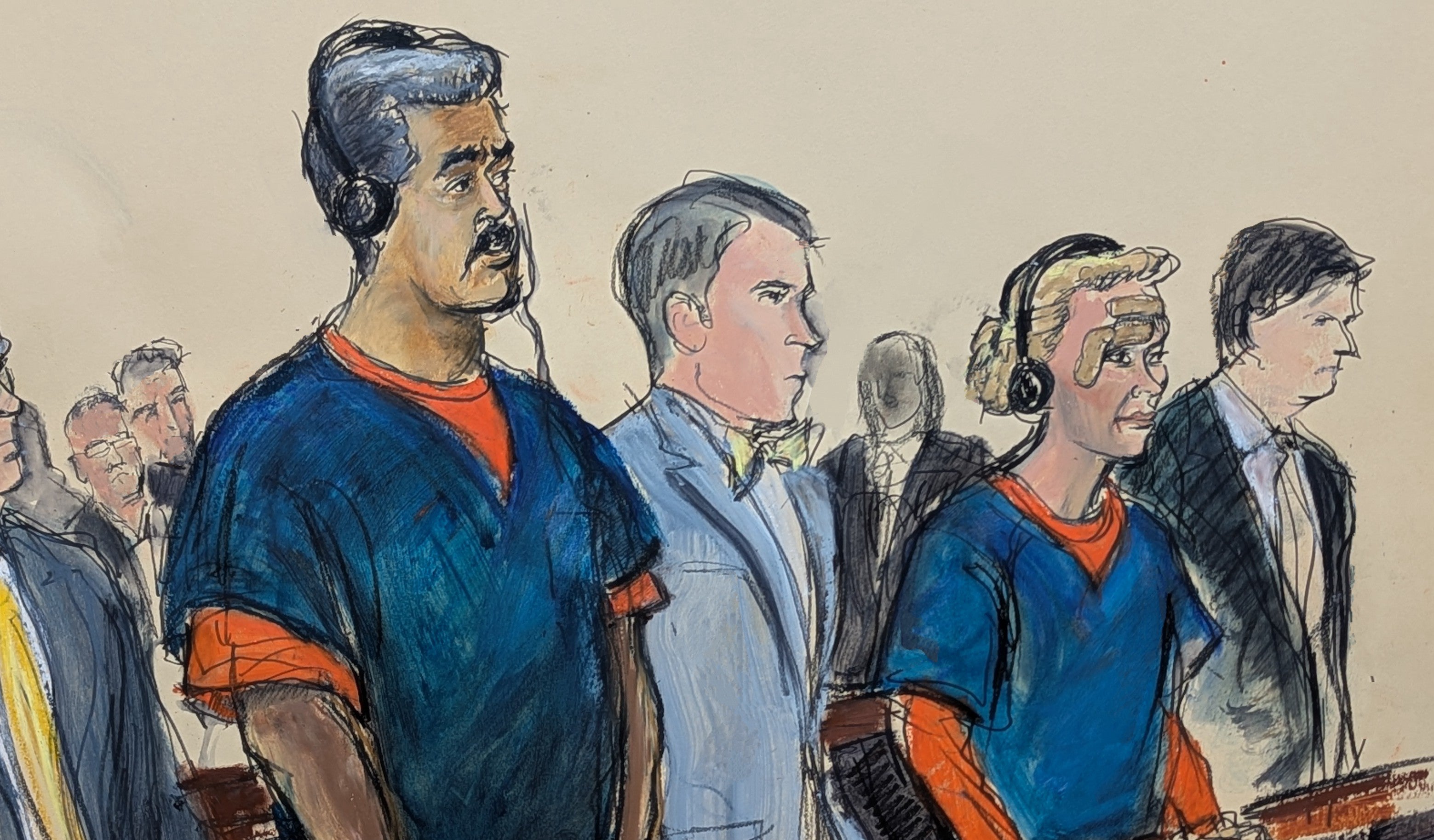
Maduro and Flores — wearing black v-neck T-shirts covering orange prison garb with khaki pants and orange slip-on shoes — shuffled into a Manhattan federal courtroom Monday for their first appearance before a judge after their capture by U.S. forces.
The ousted president scribbled notes on a white notepad throughout the 30-minute hearing and listened intently on headphones with an interpreter translating for him. He leaned on his elbows and tented his fingers, appearing to concentrate as New York District Judge Alvin Hellerstein explained the rules of evidence and their rights as defendants.
Maduro — speaking clearly and confidently in Spanish — towered over the long desk in front of him as he identified himself as the president of Venezuela and a “prisoner of war” who was “captured” in Caracas.
“I’m innocent. I’m not guilty. I am a decent man,” Maduro said when asked for his plea. “I am not guilty of anything that is mentioned here.”
Flores, who identified herself as the first lady of Venezuela, similarly declared her innocence.
Speaking through an interpreter, she said she is “not guilty” and “completely innocent.”
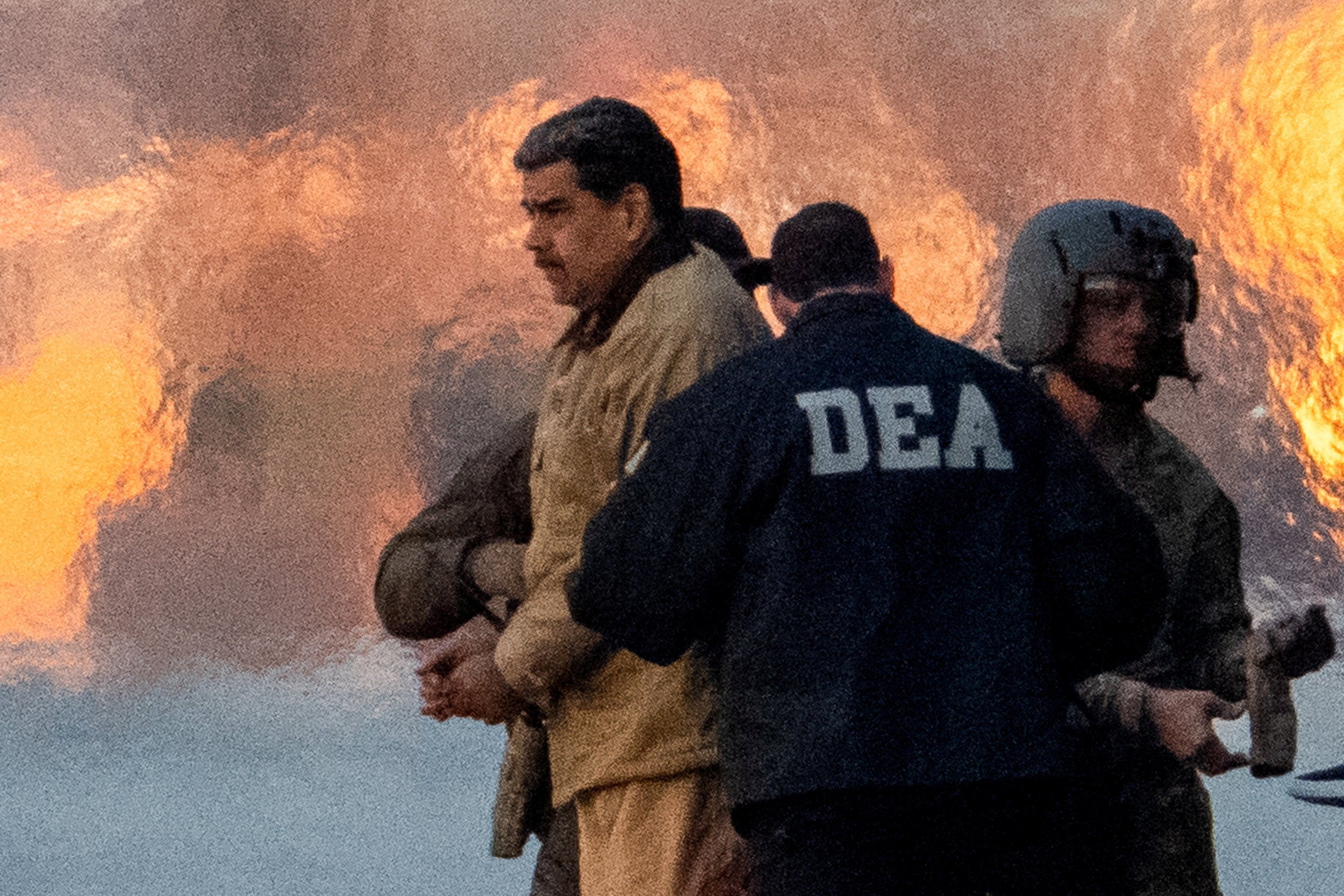
The couple appeared before Judge Hellerstein two days after they were captured in Caracas during a deadly U.S. military operation, the culmination of Donald Trump’s months-long pressure campaign to topple Maduro’s government and “run” the nation with oil companies in tow.
After his capture, federal law enforcement officers brought a handcuffed Maduro to the Metropolitan Detention Center, a federal facility in Brooklyn, where he will remain imprisoned as a legal battle continues.
Attorneys for Flores — whose face appeared to be covered in bandages — told Judge Hellerstein she experienced “significant injuries” during her capture, including “severe bruising” and a possible fracture.
Their legal team intends to introduce “voluminous” legal issues surrounding the legality of their arrest and “military abduction,” they said.
A recently unsealed 25-page grand jury indictment charges Maduro, his wife and Venezuelan officials with conspiracy to commit narco-terrorism and import cocaine into the United States.
They “abused their positions of public trust and corrupted once-legitimate institutions to import tons of cocaine into the United States,” according to the indictment signed by Jay Clayton, the Trump-appointed U.S. Attorney for the Southern District of New York.
The alleged drug-trafficking conspiracy “lines the pockets of Venezuelan officials and their families while also benefiting violent narco-terrorists who operate with impunity on Venezuelan soil and who help produce, protect, and transport tons of cocaine to the United States,” according to the document.
The indictment repeats charges first introduced against Maduro in 2020 but now includes Flores as a defendant. According to the Department of Justice, Flores allegedly brokered a meeting between a large-scale drug trafficker and the director of Venezuela's National Anti-Drug Office and allegedly accepted hundreds of thousands of dollars in bribes.
The case is similar to one brought against former Honduran President Juan Orlando Hernandez, who was sentenced to 45 years in prison after a jury found him guilty of leading a massive cocaine-trafficking operation through his nation’s military and national police force.
But Trump pardoned him last month, claiming that the case against him was a politically motivated “set up” under Joe Biden’s administration.
“He was treated like the Biden administration treated a man named Trump,” the president said Saturday, referring to his own federal criminal prosecutions.
Federal prosecutors allege Maduro led a conspiracy to ship drugs from Venezuela to the United States via the Caribbean and Central America using fishing boats and container ships as well as clandestine airstrips and commercial airports protected by “corrupt government and military officials,” according to the indictment.
The defendants allegedly relied on “violent narco-terrorist groups” including various cartels and gangs, including Tren de Aragua, which the Trump administration has targeted as part of the president’s vast anti-immigration agenda.
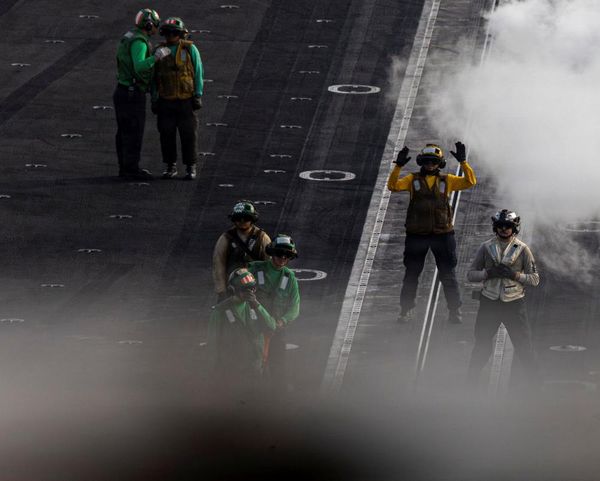
The capture of the Venezuelan president follows Trump’s months-long military campaign against his regime, including a lethal series of attacks on boats off Venezuela’s coast and a massive buildup of U.S. naval vessels and other military assets in the region.
In a press conference after Saturday’s attack, Trump said an interim “group” with top administration officials will “run” Venezuela for “a period of time” until the United States determines a “peaceful and just transition” can take place.
Trump did not rule out the possibility of American “boots on the ground,” though he suggested U.S. military assets would protect the country’s vast oil infrastructure in a nation with the largest proven oil reserves in the world.
“We’re going to have our very large United States oil companies, the biggest anywhere in the world, go in, spend billions of dollars, fix the badly broken infrastructure and start making money for the country,” Trump said Saturday.
The United States will then sell “large amounts of oil to other countries,” according to Trump.
“We’re in the oil business,” he said. “We’re going to sell it to them.”
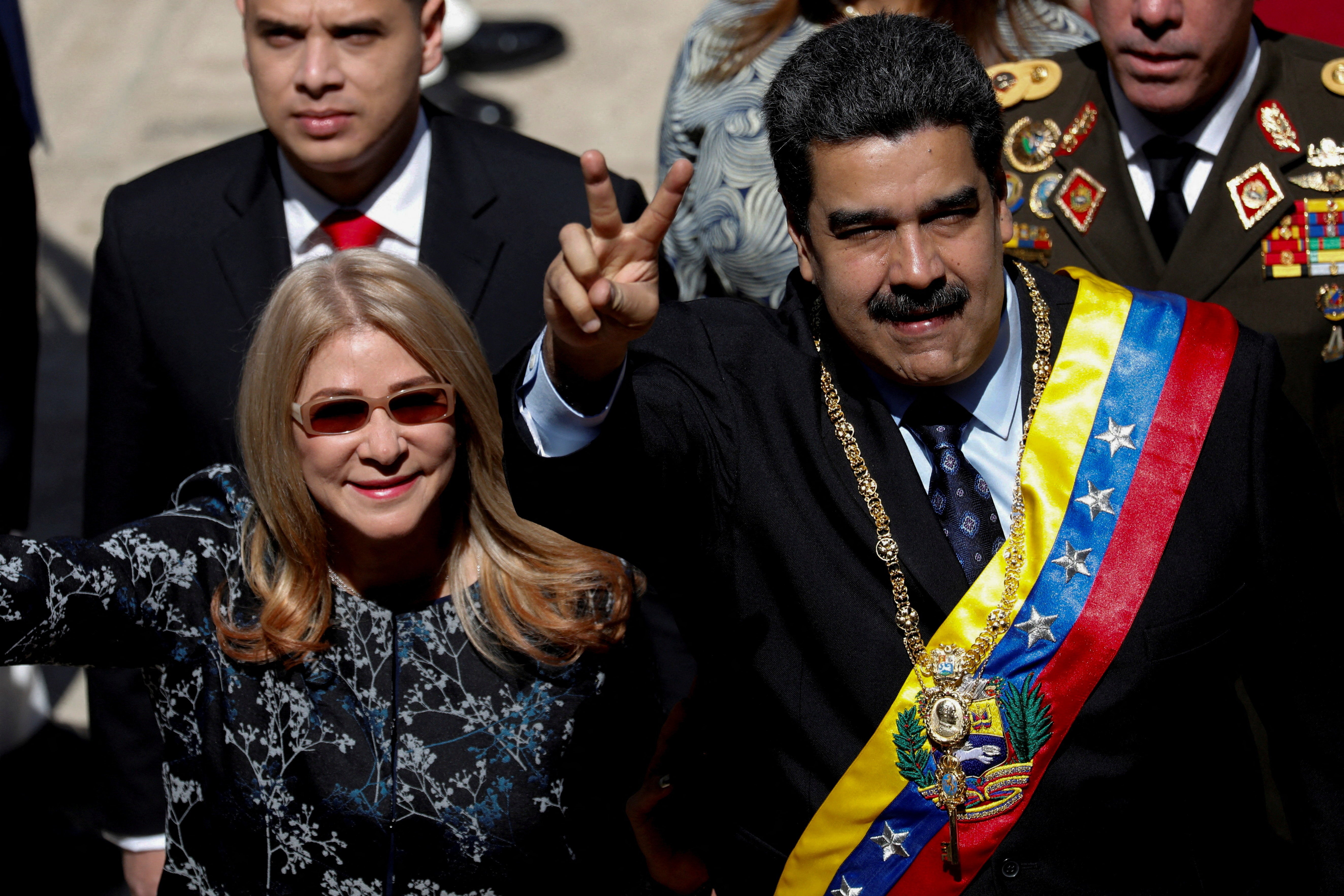
Maduro’s arrest has only accelerated legal and political scrutiny into the administration’s attacks, which law-of-war experts speaking to The Independent in recent months have labeled outright murders and war crimes in violation of international law.
Administration officials argue that Maduro’s capture and two dozen strikes on alleged drug-carrying boats are fully within legal bounds. The administration told Congress last year that the United States is formally engaged in an “armed conflict” with drug cartels that the president has labeled “unlawful combatants.”
Despite Trump’s insistence that his campaign was intended to stop the flow of drugs from entering the United States, Venezuela is not a major cocaine-producing country, according to the United Nations Office on Drugs and Crime. Virtually all coca crops are inside Bolivia, Peru and Colombia, and the Drug Enforcement Administration under Trump did not mention Venezuela in a March report on the state of cocaine trafficking.
Trump also recently declared fentanyl a “weapon of mass destruction,” though that drug, which is used in hospitals across the United States, is also not manufactured in Venezuela nor present on the alleged drug-smuggling boats.
The president has repeatedly said he would not necessarily seek permission from Congress to launch a land war in Venezuela, saying instead that military assets are “just going to kill people” there instead.
“I don’t think we’re going to necessarily ask for a declaration of war. I think we’re just going to kill people that are bringing drugs into our country, OK?” Trump said during a White House roundtable with administration officials in October. “We’re going to kill them.”