Spices are an easy and versatile way to add flavor, color and dimension to some of your favorite holiday dishes - but they can have big health benefits as well.
Many spices can open up the sinuses and provide relief from winter illness. But many people may not know just how good spices are for their overall health. They’re a powerful source of antioxidants: vitamins and essential minerals that can protect your body from cell damage and reduce the risk of heart disease and cancer.
“Spices are often overlooked for their nutritional properties, and it’s one of the most important things they offer,” Gabriela Gardner, registered dietitian manager with Texas-based UT Physicians Multispecialty – Bellaire Station, said in a statement.
Here is a look at four holiday spices that can also be good for your health:
Ginger
Ginger has been used in traditional Asian medicine for thousands of years. With a strong, citrusy flavor, the root has been ground down and served in a cup of restorative tea or used in baking.
Just three or four grams helps with nausea or to settle an upset stomach.
But ginger is also a great source of antioxidants, according to Johns Hopkins Medicine.
“These molecules help manage free radicals, which are compounds that can damage cells when their numbers grow too high,” the healthcare system said.
Ginger has immune-guarding vitamin C and nerve, brain and skin-regulating B vitamins. It has muscle-relaxing magnesium and blood pressure-managing potassium, too.
Still, the compound gingerol - which is responsible for ginger’s strong flavor - is the most important oil, according to UCLA Health.
“It reduces inflammation, works as an antioxidant and offers numerous other benefits to your health,” the academic health center said.
Cinnamon
A favorite in holiday cookies, sifted onto a cup of whipped cream-adorned cocoa or stirred into a hearty butternut squash soup, cinnamon has been shown to reduce harmful inflammation and blood sugar levels.
Made from the bark of a cinnamon tree, the common baking spice has the bone-strengthening minerals iron, magnesium and calcium. Just a couple of grams of cinnamon is enough to feel the spicy-sweet benefits.
Cinnamon also contains the antioxidant zinc, which works to protect the immune system and contains anti-inflammatory properties.
“Cinnamon is full of antioxidants, particularly polyphenols like cinnamic acid and cinnamaldehyde,” registered dietitian Avery Zenker told EatingWell.
Cocoa
Chocolate lovers will be happy to hear that cocoa powder is high in flavonoids: natural plant chemicals and a type of antioxidant.
Only one or two tablespoons are needed to reap the heart-healthy rewards, according to experts.
"Cocoa powder has been shown to have a protective effect for cardiovascular disease and also improved cognition," said Gardner. "There is a lot of research with Alzheimer's, and the studies are still inconclusive, but all these antioxidants in cocoa powder seem to play a role in improving the cognitive condition."
But, what kind of cocoa powder you're using makes a difference.
The darker the chocolate, the more nutrients you get.
"Typically, the darker the better," Haley Kanada, a registered dietitian nutritionist with UC Davis Health, told the American Hear Association. "At least 70% so you're sure you're getting the benefits."
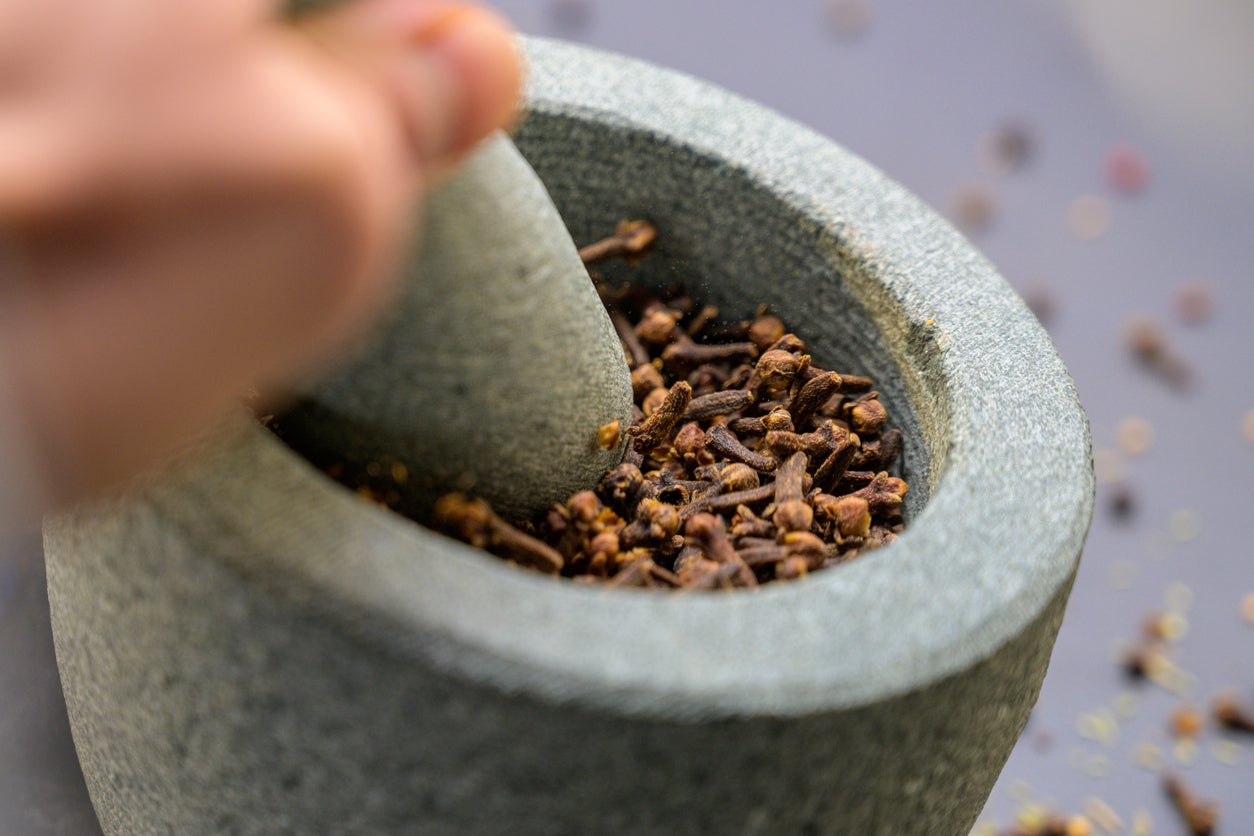
Cloves
Used for thousands of years in traditional Asian medicine, ground cloves can do more than sweeten your baked goods.
The warm pie spice may benefit your gum health and lower your blood pressure, according to years of research.
A good source of vitamin C, vitamin K and the metabolism-regulating mineral manganese, people only need a teaspoon or less to feel the health benefits of cloves.
Cloves have the highest average antioxidant value compared to any other spices, according to the University of Florida.
The spice contains eugenol, an antioxidant that may have antibacterial and anti-inflammatory benefits, functional medicine specialist Dr. Erik Modlo told the Cleveland Clinic.
The popular supplement that can help shorten your cold
The winter vitamin proven to keep us healthier as we get older
Two popular salad chains advised to ‘sell smaller’ as customers swap for fast food
How to pay less for your meds at the pharmacy, according to pharmacists
Feeling insecure in midlife among six subtle signs linked to dementia