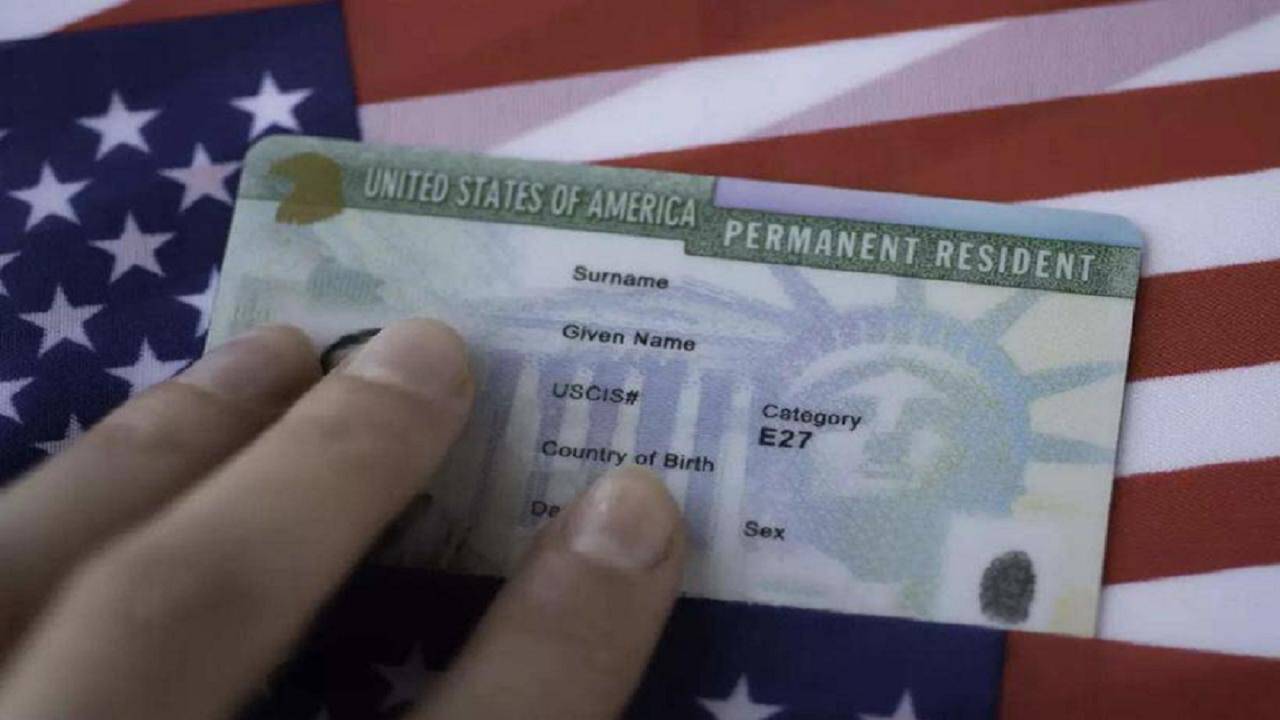
The USCIS recently announced a major rule change that would affect many categories of visa and Green Card applicants. The agency said that when an applicant submits an application that is not complete, the agency asks for more documents, but now the officers will be empowered to deny the application. The agency said that this will restore integrity to the immigration system and weed out frivolous benefit requests.
Get breaking news anytime, anywhere. Download the TOI app now!
USCIS has restored officers’ full discretion to deny a benefit request without first issuing an RFE or NOID in various situations. With this updated policy, USCIS can better allocate resources to efficiently make decisions and prevent meritless requests, the agency said. RFE and NOID are two technical terms that offer applicants a small scope to strengthen their case.
What is RFE?
An RFE (Request for Evidence) is a formal written notice issued by USCIS when an immigration application (such as an H-1B petition, green card, or visa extension) lacks required initial evidence or needs additional documentation before an officer can make a final decision. An RFE is not a denial; it is a temporary pause on the application, giving the applicant or employer a chance to submit missing documents.
What is NOID?
Notice of Intent to Deny is when the adjudicating officer issues a formal warning that the application has been reviewed, but the officer wants to deny the case unless the applicant comes up with more compelling evidence.
The new rule says the adjudicating officer can just reject the application without asking for any additional evidence.
Immigration lawyer Jennifer Behm called this another step in dismantling legal immigration and broke down the pitfalls of this new rule in 5 points