After last week's stronger-than-expected inflation readings, investors sharply increased bets that the U.S. Federal Reserve could return to raising interest rates before the end of the year, potentially creating an early challenge for incoming Fed Chair Kevin Warsh, Reuters reported.
According to CME’s FedWatch tool, markets are now pricing in around a 60% probability that the Fed’s benchmark rate will be 25 basis points higher by the January Federal Open Market Committee meeting, while the odds of a rate increase as early as December are close to even, Reuters said in a report.
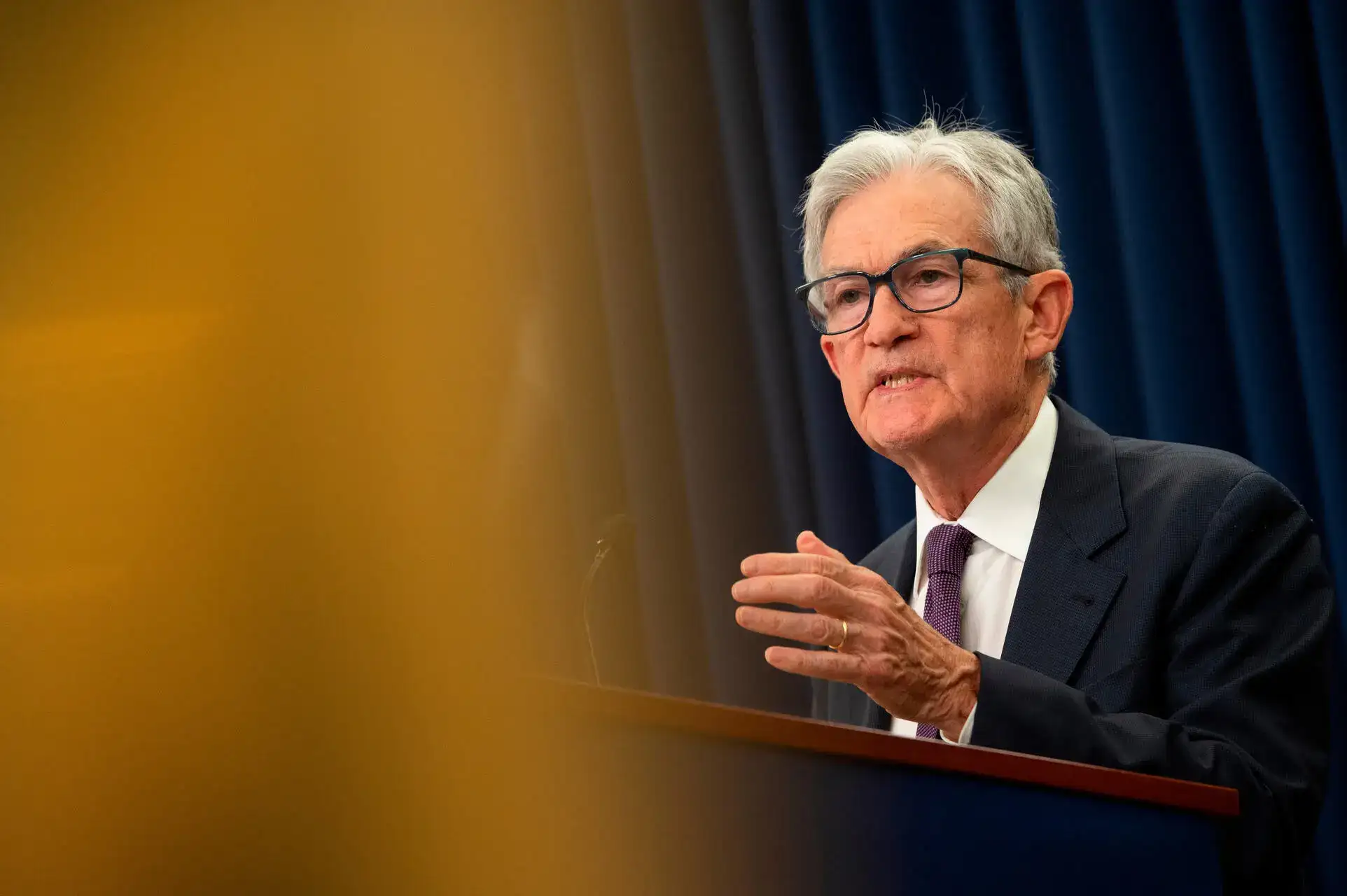
The Fed, under outgoing Chair Jerome Powell, has kept interest rates in the 3.50%-3.75% range since December. Despite inflation remaining persistently above the central bank’s 2% target, policymakers have continued to indicate that their next move would likely be a rate cut. However, Reuters reported that sentiment within the central bank has begun to shift, with several policymakers arguing for a change in stance and three officials dissenting against April’s policy statement because it retained an easing bias.
Minutes from that meeting, due this week, may offer more clarity on how many policymakers support moving toward a neutral or more hawkish policy outlook.
Economic data released last week added to concerns that inflationary pressures remain entrenched. Reuters reported that consumer prices, wholesale inflation and import prices all came in above economists’ forecasts, while retail sales data pointed to resilient consumer spending despite elevated prices.
The inflation pressures were also seen broadening beyond higher energy costs linked to the U.S.-Israeli-led conflict with Iran, suggesting price increases are spreading more widely through the economy.
Bank of America analysts said the market narrative has shifted from fears of stagflation toward expectations of reflation, driven by rising inflation, strong consumer spending and robust corporate earnings.
The changing outlook now threatens to complicate the transition for Warsh, whose term as Fed chair begins after Powell’s tenure formally ends. Reuters reported that Warsh, appointed by President Donald Trump, faces the difficult task of balancing rising inflation concerns with political pressure from Trump, who has repeatedly demanded lower interest rates and openly criticized Powell for keeping borrowing costs elevated.
Warsh was confirmed by the Senate last week, although his swearing-in ceremony has not yet been scheduled.
During his confirmation hearing, Warsh argued that wider adoption of artificial intelligence across the economy could boost productivity and help contain inflation pressures over time, potentially supporting lower interest rates. At the same time, Reuters reported that he assured lawmakers he had made no commitments to Trump regarding future rate decisions, while also pledging broader institutional changes and closer coordination with the administration on non-monetary policy matters.
(Disclaimer: Recommendations, suggestions, views and opinions given by the experts are their own. These do not represent the views of The Economic Times)