Veterans of the U.S. Federal Reserve urged incoming Fed Chair Kevin Warsh to focus less on shrinking the central bank’s balance sheet and more on establishing clearer principles for how it should be deployed during future economic and financial shocks, Reuters reported.
The Fed’s balance sheet currently stands at about $6.7 trillion, largely consisting of U.S. Treasury and mortgage-backed securities accumulated during years of quantitative easing and pandemic-era stimulus measures. While some lawmakers and policymakers have criticised the size of the balance sheet as excessive intervention in financial markets, former Fed officials argued that the debate should centre more on the composition and purpose of the holdings rather than their absolute size.
According to Reuters, Jeremy Stein said the political attention around the balance sheet had turned it into an “optical political football.” Stein noted that Warsh may feel pressure to demonstrate progress by reducing the balance sheet, but argued that shifting the Fed’s holdings toward shorter-term Treasury bills would likely matter more than simply cutting the total size.
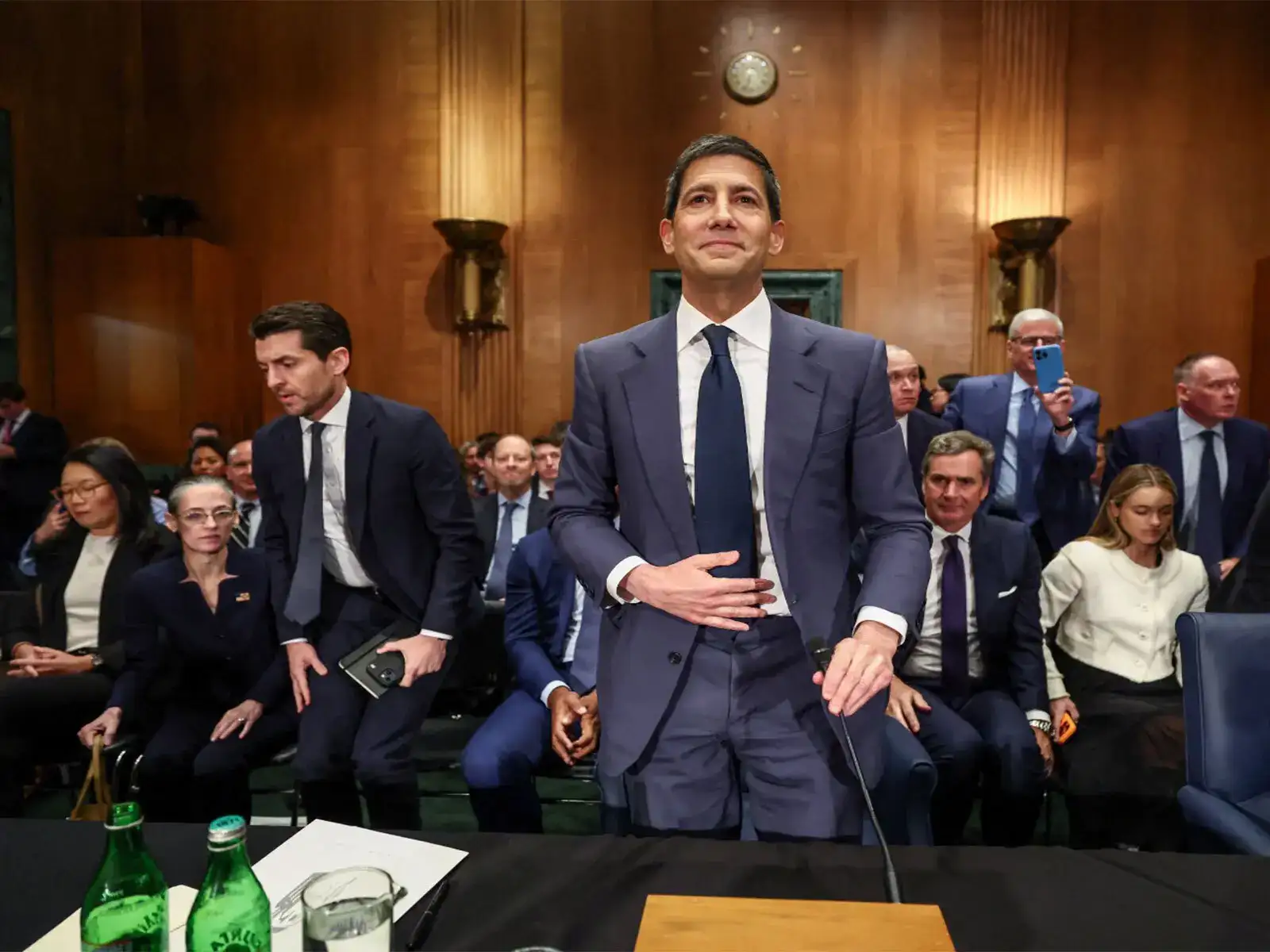
Warsh, who has been confirmed by the U.S. Senate for a four-year term as Fed chair and is expected to be sworn in later this week, has made balance-sheet reduction a key part of his proposed overhaul of the central bank. Reuters reported that although Warsh initially supported quantitative easing during the 2007-2009 financial crisis while serving as a Fed governor, he later became increasingly critical of prolonged bond-buying programs, arguing they distorted markets and contributed to inflationary pressures.
Charles Evans expressed skepticism over how much the Fed could realistically reduce its balance sheet. Evans noted that when he joined the Chicago Fed in 2007, the balance sheet was roughly $800 billion, but said returning to those levels was unrealistic given today’s banking system and liquidity requirements.
Warsh had previously suggested the balance sheet could potentially be reduced by around $2.5 trillion, though Evans questioned whether such targets were achievable without major regulatory overhauls. He described proposals aimed at significantly lowering reserve needs as highly ambitious initiatives.
The discussion also highlighted broader concerns over how the Fed communicates its asset-purchase programs. Randall Kroszner said the central bank should establish clearer guidelines in advance regarding what assets it buys and for what purpose.
Kroszner pointed to the Bank of England’s intervention during the 2022 UK government bond market turmoil as an example of effective communication, noting that policymakers clearly stated their bond purchases were temporary measures intended solely to stabilise markets.
Kroszner argued that the Fed’s pandemic-era asset purchases gradually evolved from market-support operations into broader economic stimulus measures, creating confusion about the central bank’s objectives. He said the Fed had acted correctly in intervening aggressively during the COVID-19 crisis, but later struggled to explain when and why those interventions should end.
Former officials at the conference broadly agreed that future debates over the Fed’s balance sheet should focus less on headline numbers and more on transparency, market functioning, and the role of asset purchases during periods of financial stress.