The U.S. Southern Command (SOUTHCOM) has officially concluded its military support mission in Venezuela following last month's devastating twin earthquakes, ending one of the largest U.S. humanitarian deployments in the region in recent years. While American troops are leaving, aid organizations warn that the humanitarian emergency is far from over.
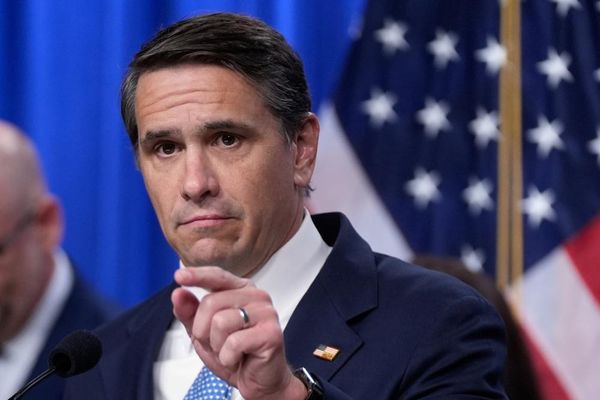
Gen. Francis L. Donovan, commander of U.S. Southern Command, announced that the last U.S. military personnel assigned to the disaster response have departed Venezuela after completing search-and-rescue, logistics and humanitarian support operations. The withdrawal marks the end of the military phase of the U.S. government's earthquake response, which was carried out under the direction of the State Department.
During the operation, nearly 2,000 U.S. service members from the Army, Navy, Marine Corps and Air Force helped transport emergency supplies, restore logistics, reopen critical infrastructure and deliver humanitarian assistance to communities devastated by the June 24 earthquakes. The USS Fort Lauderdale served as a communications and distribution hub off the Venezuelan coast, while military aircraft flew continuous missions carrying aid, personnel and equipment into the country.
"Today, the last members of the SOUTHCOM team departed Venezuela, marking the conclusion of Department of Defense support to on-the-ground earthquake relief efforts. While our military presence ends, the American people continue to stand with Venezuela. Our State Department… pic.twitter.com/yi4eBSswrs
— U.S. Southern Command (@Southcom) July 26, 2026
Although the military mission has ended, the humanitarian crisis continues.
The latest available figures indicate that more than 5,000 people have died, over 15,000 have been injured, and thousands remain displaced across northern Venezuela. Health officials continue to warn about growing risks from overcrowded shelters, limited access to clean drinking water and strained hospitals as recovery efforts transition from rescue to long-term relief.
Entire communities in the hardest-hit areas continue to depend on humanitarian assistance. Aid workers say many families remain without permanent housing, while damaged roads and public infrastructure continue to complicate the delivery of food, medicine and clean water. International organizations have cautioned that rebuilding could take months, if not years.
General Donovan thanked the U.S. personnel who participated in the mission, saying they demonstrated America's ability to respond rapidly to humanitarian disasters while working alongside Venezuelan authorities and international partners. SOUTHCOM said future assistance will continue through civilian agencies and humanitarian organizations rather than military deployments.
How to help
Relief organizations continue to accept donations to support survivors of the earthquakes:
- Cáritas Venezuela is providing emergency food, shelter assistance, hygiene kits and support through parish networks across the affected regions.
- World Central Kitchen has been preparing and distributing fresh meals for displaced families and emergency responders.
- We Love Venezuela Foundation
Humanitarian agencies stress that financial donations remain the fastest and most effective way to support relief operations because they allow organizations to purchase supplies locally and respond as needs evolve.
Even as U.S. military aircraft and ships return home, relief officials say Venezuela's recovery is entering its most difficult phase. For thousands of survivors still living in temporary shelters or damaged neighborhoods, the need for food, clean water, medical care and permanent housing remains urgent weeks after the ground stopped shaking.