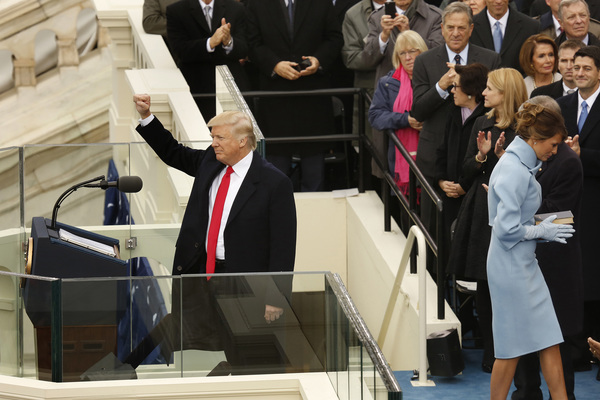
With his Jan. 20 inauguration, President Donald Trump signaled that the tone of his campaign would carry over into his presidency: combative, alternately gilded and populist, and challenging of both norms and facts. His 16-minute inaugural address was notably dark and divisive. He spoke of the "American carnage" he inherited as President Barack Obama and other predecessors sat stone-faced nearby. One of the most enduring memories is Trump's complaint the next day, echoed by his press secretary, that the media did not report that his crowd was the largest ever to witness a swearing-in, a claim easily refuted by photographs and other evidence.
After their failed attempt to repeal the Affordable Care Act, Republicans wanted to deliver tax cuts �� and they did. The new tax law, signed by President Donald Trump Dec. 22, was, to Democrats, a giveaway to the wealthy that adds to the national debt and raise taxes for many in the middle class. The law challenges Republican orthodoxy against deficit spending: Even after accounting for future economic growth, the plan is estimated to add $1 trillion to the deficit over 10 years, despite Republican promises that the tax cuts will pay for themselves.
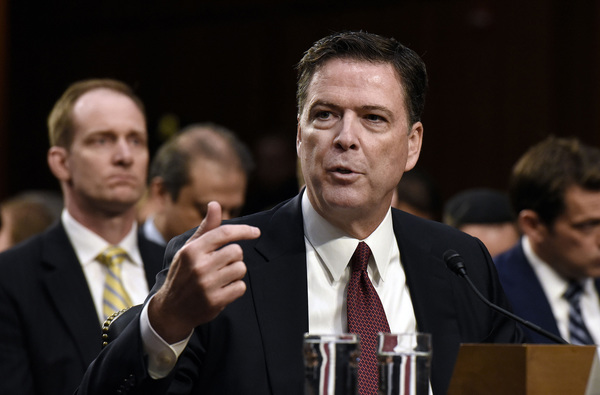
In May, Trump fired FBI Director James Comey during the investigation of whether the Trump campaign was complicit with Russia's meddling in the 2016 election. At first, the White House said Trump had followed the advice of Justice Department officials. But in an interview a few days after the firing, Trump said he had planned to fire Comey, whom he called a "grandstander," regardless of his advisers' recommendation, suggesting he acted because of his unhappiness with "this Russia thing." That was in contrast to his staff's claim that Comey was dismissed for mishandling the 2016 inquiry of Hillary Clinton's use of a private email server when she as secretary of state. About a week after Comey was fired, the Justice Department named a special counsel � Robert Mueller, who preceded Comey as FBI director, to take over the inquiry into Russia interference.
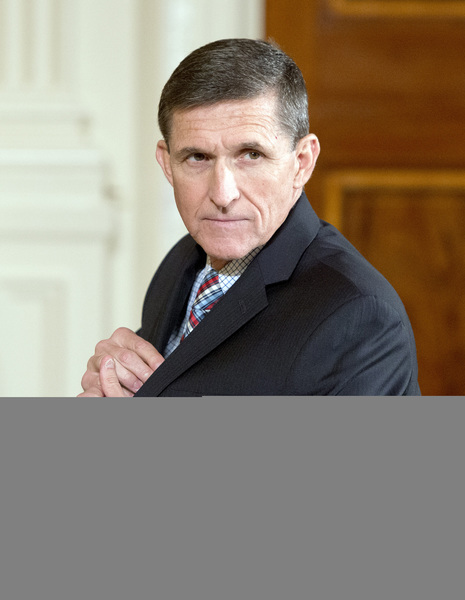
Michael Flynn, Trump's first national security adviser, was forced to resign after only 24 days on the job. His immediate problem: reports indicating he had misled Vice President Mike Pence and other White House officials about his meetings with the Russian ambassador to the U.S. But his long-term problems _ Flynn's contacts and contracts overseas _ put him in the crosshairs of the special counsel's investigation. On Dec. 1, Flynn pleaded guilty in federal court to one count of "willfully and knowingly" making "false, fictitious and fraudulent statements" to the FBI about his communications with Russia's ambassador in December 2016, after Trump named Flynn to the national security job.
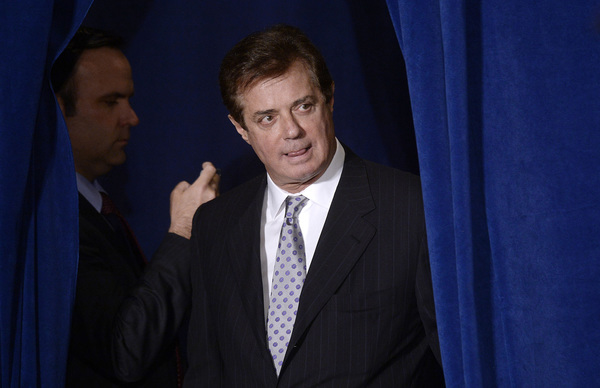
The special counsel's investigation produced three indictments Oct. 30. Trump's former campaign manager, Paul Manafort, and his deputy, Richard Gates, were charged with conspiracy, fraud and money laundering in an alleged scheme unrelated to the election. Another former campaign aide, George Papadopoulos, pleaded guilty to lying to the FBI, and court papers showed that he had helped prosecutors.
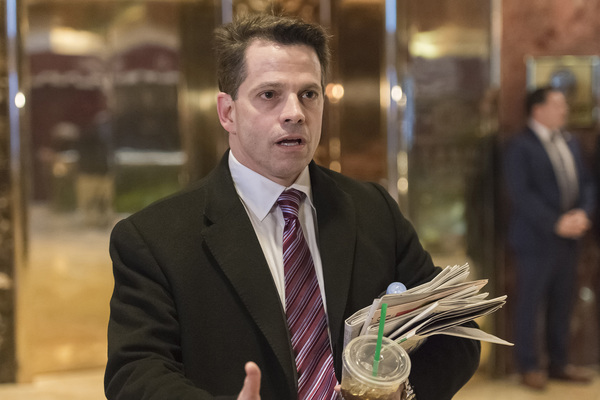
The first year of the Trump administration had more turnover in the top ranks, in less time, than in any other recent presidency. White House press secretary Sean Spicer left in late July. Chief of Staff Reince Priebus soon followed Spicer out the White House doors; both opposed Trump's hiring of Anthony Scaramucci as communications director. Before he even officially started the job, Scaramucci was fired at the insistence of the new chief of staff, John F. Kelly, after profanely assailing Priebus and chief strategist Steve Bannon. Weeks later, Bannon also was out.
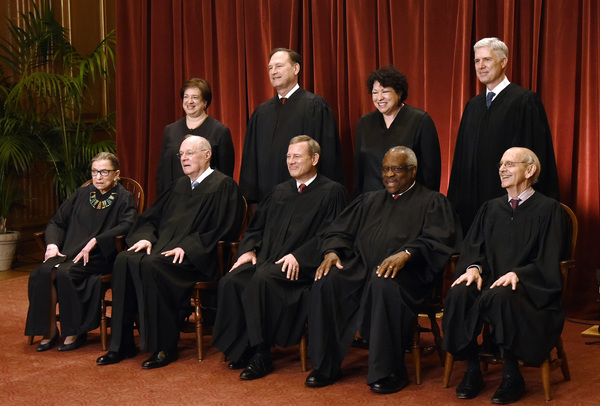
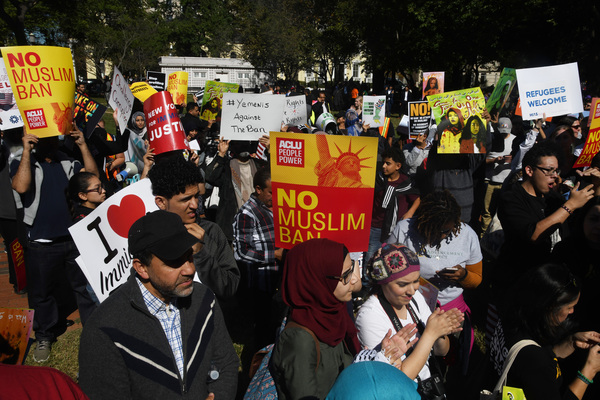
Trump's promise to temporarily ban all Muslims from the U.S. was among the most incendiary of his campaign, and his executive order, issued in late January, to restrict travel from several mostly Muslim countries was widely seen as an effort to put that promise into action. After its chaotic introduction, a series of federal judges blocked the ban from taking effect. In March, the administration issued a new version of the ban, designed to be less legally vulnerable. It, too, had difficulties. Eventually, the Supreme Court found a compromise, allowing part of the ban to take effect. In the fall, the administration issued another version, which the Supreme Court upheld in early December.
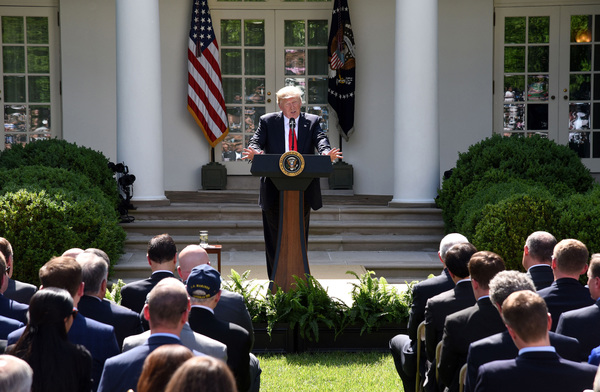
Before taking office, Trump derided the science linking human activity to global warming as a "hoax." So it wasn't a total surprise when he announced that the U.S. would no longer participate in the Paris agreement on climate change, the 2015 deal that set country-by-country goals for reducing fossil-fuel emissions. Every country except the U.S. _ nearly 200 in all _ have signed the agreement, leaving China as the world leader in combating climate change. The withdrawal from the Paris agreement was the highest-profile item on a long list of President Barack Obama's environmental policies that Trump has taken steps to reverse.
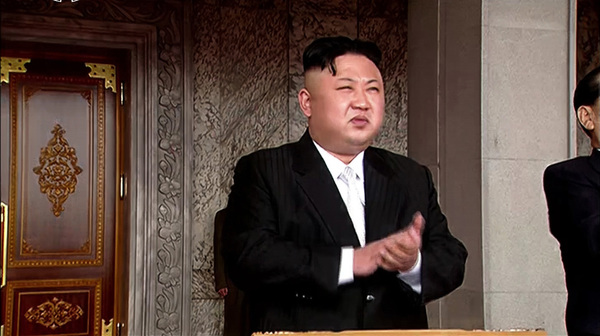
Before he was sworn in, Trump was warned that North Korea was a foreign policy nightmare. Since then, he and Pyongyang's ruler, Kim Jong Un, have traded crude insults. Trump denounced the North Korean leader as "Rocket Man" at the United Nations General Assembly. Kim responded by mocking Trump as a "mentally deranged U.S. dotard." Beyond the insults, the danger is real as Kim continues to test nuclear weapons and long-range ballistic missiles and Trump strengthens military forces in the region.
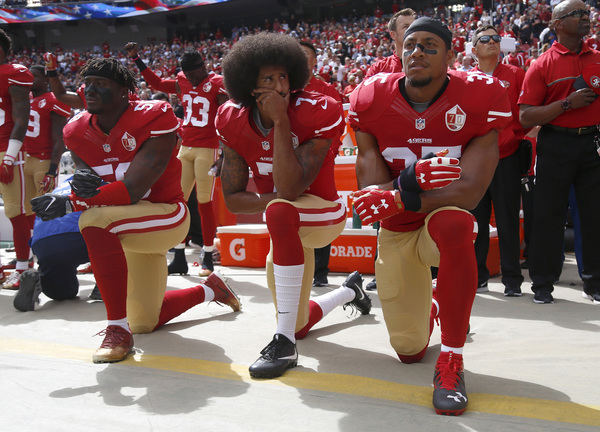
The president has repeatedly dived into culture wars, frequently on topics with racial overtones, and typically using language that in previous administrations would have been considered unpresidential. Trump's Twitter war against NFL players who knelt during the playing of the national anthem combined all those elements. Trump began denounced the players, mostly African-American, who had been kneeling during the anthem to protest social injustice and racial inequality.
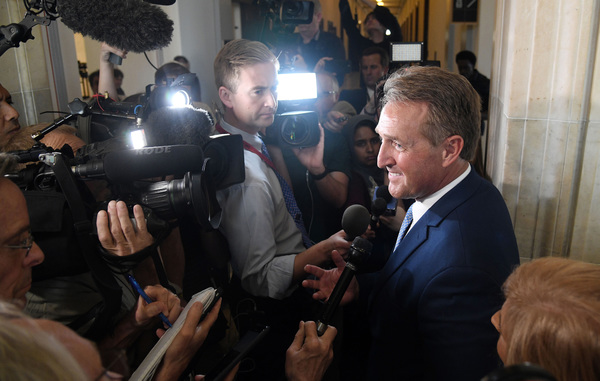
For a time, Trump's election papered over the split his candidacy opened between pro-Trump partisans and establishment Republicans. But by October the establishment's criticisms, which had been mostly private, became extraordinarily public. In the span of eight days, three Republican senators and the previous Republican president attacked Trump's style and stewardship. On Oct. 24, Sen. Jeff Flake, R-Ariz., excoriated the president as "reckless, outrageous and undignified." Sen. Bob Corker, R-Tenn., said Trump would be remembered for "the debasement of our nation." That came after Sen. John McCain and former President George W. Bush gave speeches that didn't name Trump, but plainly were directed at him.