Three more dog breeds have officially joined the American Kennel Club's (AKC) esteemed roster, making them eligible for numerous U.S. dog shows and significantly boosting their public profile.
The new additions include a terrier named after a U.S. president, a charming toy dog from Cold War-era Russia, and a centuries-old French hunting hound, each bringing a unique heritage to the forefront of canine recognition.
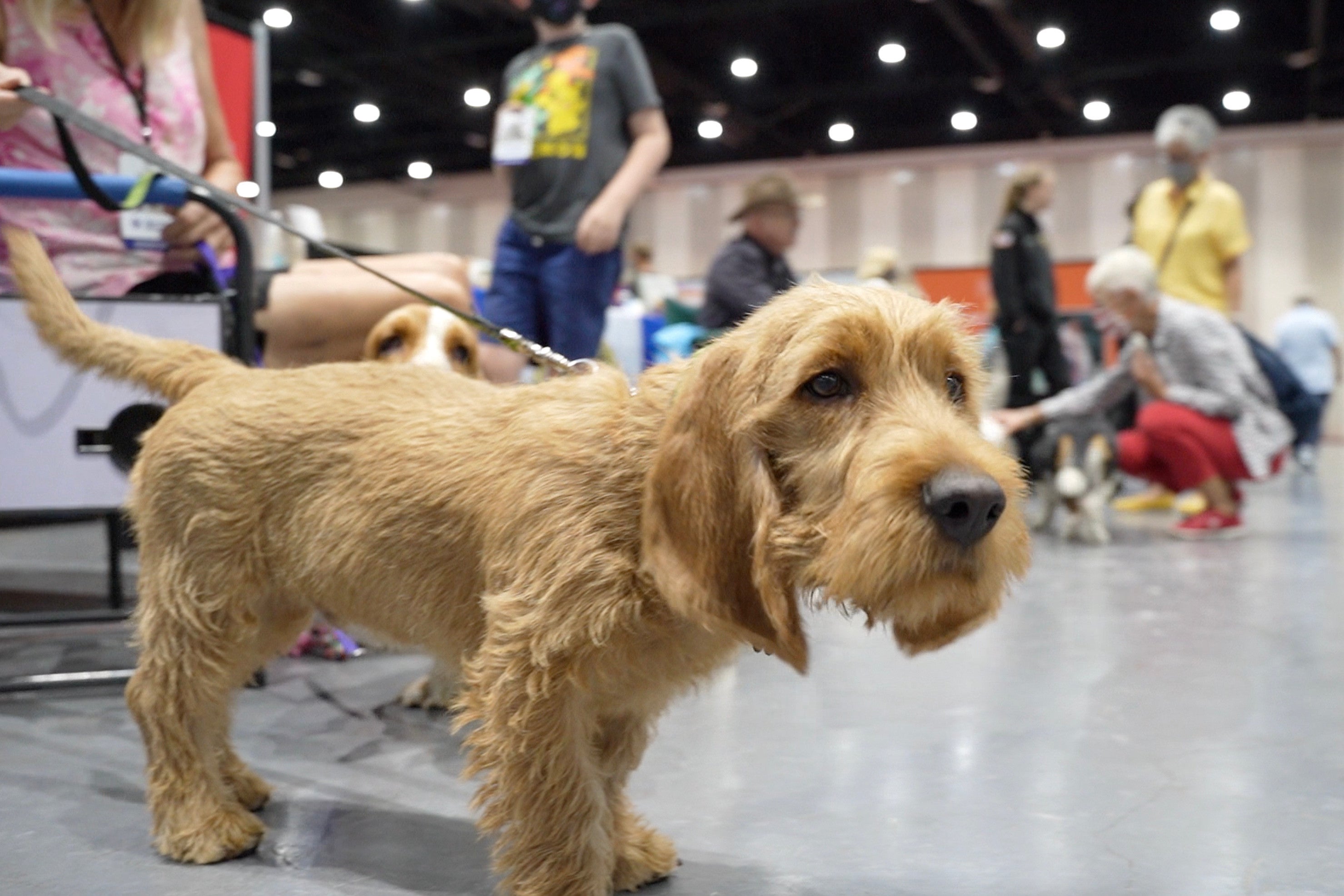
Among the newcomers is the Basset Fauve de Bretagne, a hardy, sociable hound originating from 16th-century French aristocratic circles.
Standing between 12.5 and 15.5 inches and weighing 23 to 39 pounds, this fawn-coloured, low-set dog from Brittany is built for endurance. Cindy Hartman, a South Carolina service dog trainer, has been instrumental in championing the breed in the U.S., bringing puppies over in 2001 and training around 20 as medical alert dogs.
Hartman describes them as "wicked smart," cautioning that they are not suited for owners seeking a sedentary companion. "But yet, when challenged mentally and physically, they’re happy to come in with you and curl up on the sofa for the evening," she added.
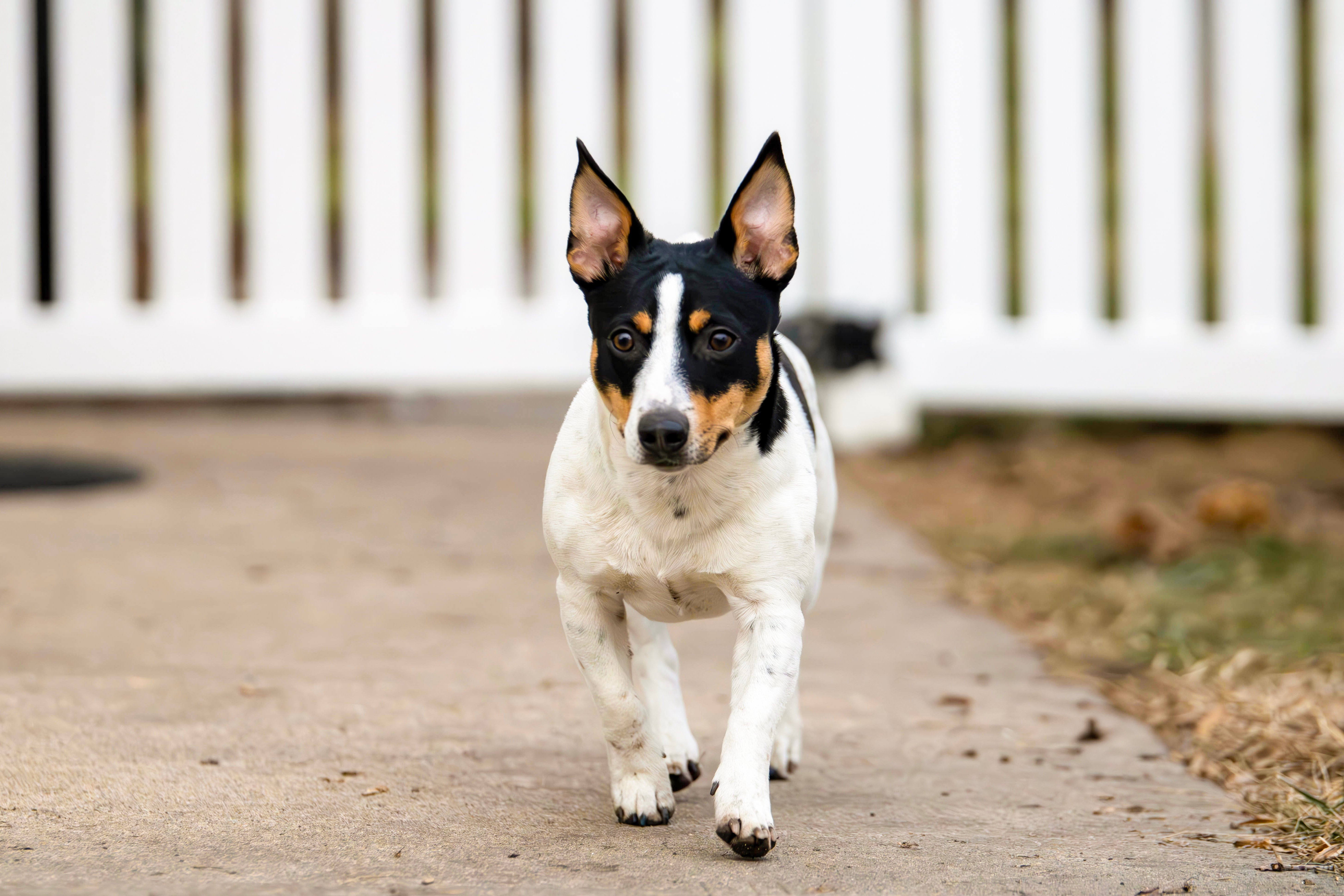
The Teddy Roosevelt Terrier, named for President Theodore Roosevelt's affection for dogs, is an energetic small canine, typically 8 to 14 inches tall and weighing 8 to 25 pounds. Originally considered a short-legged variant of the rat terrier, it was recognised as its own breed in 1999.
These dogs are known for their ability to rid barns of rodents, alert owners to strangers, and excel in dog sports. Cindy Rickey, secretary of the American Teddy Roosevelt Terrier Club, notes their entertaining nature: "They know how to get you to laugh."
Despite their terrier independence, Rickey highlights their "tremendous desire to please," even competing in obedience.
Completing the trio is the Russian Tsvetnaya Bolonka, a sweet yet clever toy companion developed in Soviet-era Leningrad (now St. Petersburg) after World War II, specifically as a pet for apartment dwellers. These "Russian coloured lapdogs" are small, up to 10¼ inches and weigh 7 to 9 pounds.
American enthusiasts have worked to establish the breed since the early 2000s. Denise Dang, secretary of the Russian Tsvetnaya Bolonka Club of America, likens owning one to "having a 3-year-old kid running around your house." While they enjoy snuggling, they demand playful interaction.
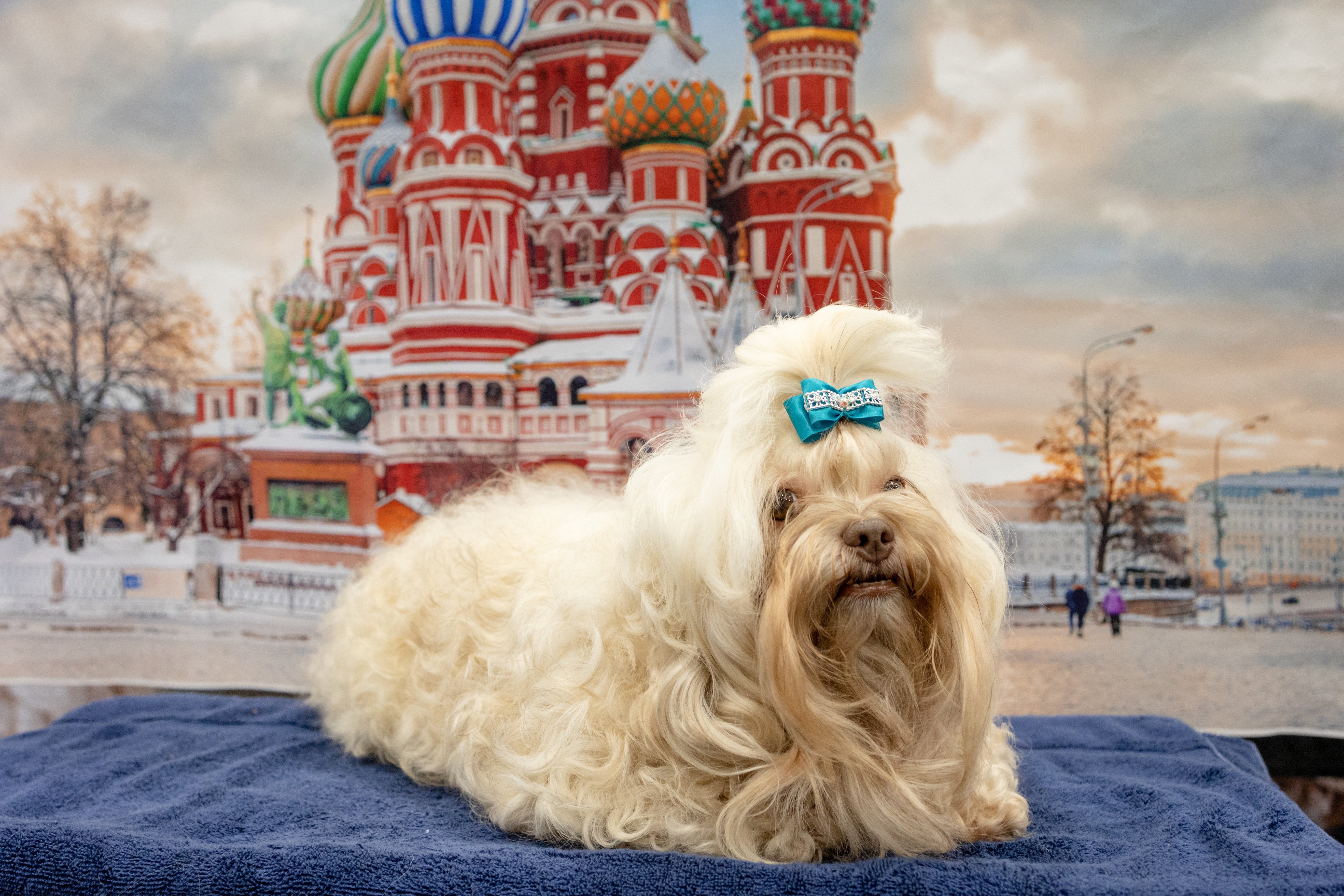
Owners must also commit to caring for their thick, wavy, low-shedding coat, which requires regular bathing to prevent matting.
These additions bring the AKC's total recognised breeds to 205. The club maintains an open pipeline for new breeds, a process that involves years of breeding, documentation, and consensus-building among fanciers.
Brandi Hunter Munden, an AKC spokesperson, clarified that the club is not "adding dogs indiscriminately" but rather providing "an established framework for growth, breed standards, competition and education in the U.S."
However, the AKC's role in promoting dog breeding continues to draw criticism from animal-rights activists. People for the Ethical Treatment of Animals (PETA) recently escalated their long-standing opposition with a lawsuit this year.
PETA alleges that the AKC's current "standards" for breeds like French bulldogs, pugs, dachshunds, and Chinese shar-peis amount to "blueprints for the breeding of deformed, unhealthy dogs," seeking a court order to halt their promulgation.
The AKC has vehemently denied these allegations, labelling the suit as frivolous and asserting its firm commitment to "the health, well-being and proper treatment of all dogs."
The inclusion of these three diverse breeds highlights the evolving landscape of canine recognition, striking a balance between historical lineage and modern companionship needs, even as the broader ethical implications of breed standards continue to be a contentious debate.
Dog who has spent 7 years at Ohio shelter is finally adopted in ‘Christmas miracle’
XL bully ban upheld after campaigners lose Court of Appeal challenge
CIA carries out first drone strike on Venezuelan soil targeting drug gangs
Americans face New Year’s Eve travel chaos and back-to-back winter storms
Extreme winds cause 30ft waves on Lake Erie, flooding parts of Buffalo