Ebola cases continued to rise in the Democratic Republic of Congo on Wednesday as the United States pledged to fund up to 50 treatment clinics and aid groups blamed earlier US funding cuts for weakening disease surveillance in the region.
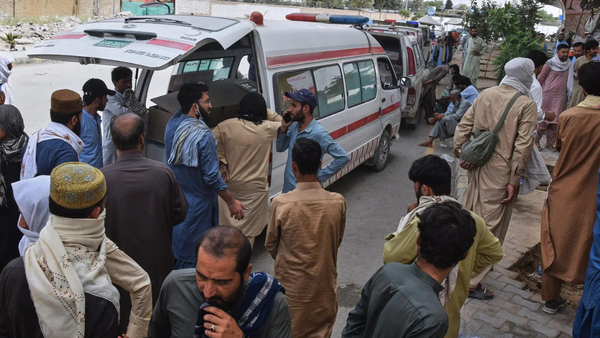
The World Health Organization (WHO) warned that the outbreak had spread undetected for weeks, with more than 600 suspected cases and 139 suspected deaths from the disease now recorded.
Infections have also appeared in neighbouring Uganda, raising concern over the spread of this rare Bundibugyo strain of Ebola, for which there are no approved vaccines or treatments.
Concern over the “scale and speed” of the outbreak was raised by WHO director-general Tedros Adhanom Ghebreyesus during a meeting in Geneva on Tuesday.
“Numbers are expected to rise, given the amount of time the virus circulated before the outbreak was detected,” he said.
Emergency declared
A WHO emergency committee confirmed the outbreak is a public health emergency of international concern, although not a pandemic. Tedros declared the emergency over the weekend, becoming the first WHO chief to take that step before consulting experts because of the urgency of the situation.
The outbreak spread through Ituri Province in eastern DRC, where armed groups are active and access is difficult. Uganda has reported two cases, including one death in the capital Kampala.
A US doctor exposed to Ebola in Uganda was being transferred to Prague for precautionary treatment, Czech officials said on Wednesday. The doctor was not showing symptoms.
Concern over the outbreak has grown because the Bundibugyo strain has caused only two previous outbreaks in Africa, and the current outbreak is already deadlier than both.
'Dangerously exposed'
The International Rescue Committee, a US-based humanitarian group operating in eastern DRC, said US administration cuts in 2025 had forced it to reduce health and preparedness work in Ituri Province from five health zones to two.
“Funding cuts have left the region dangerously exposed,” DRC country director Heather Reoch Kerr said in a statement.
“The sharp rise in reported cases over the last few days reflects the reality that surveillance systems are now catching up with transmission that has likely been occurring for some time.”
Warnings that the funding cuts had weakened systems designed to detect outbreaks early were also raised by Matthew Kavanagh, director of Georgetown University’s Center for Global Health Policy and Politics.
“When you pull billions out of the WHO and dismantle frontline USAID programs, you cut the exact surveillance system meant to catch these viruses early,” he said.
US clinic pledge
The Trump administration rejected accusations that cuts to US foreign aid had impacted the Ebola response.
“It is false to claim that the USAID reform has negatively impacted our ability to respond to Ebola,” State Department spokesperson Tommy Pigott said.
The State Department announced on Tuesday that it would fund up to 50 treatment clinics in DRC and Uganda. The clinics are expected to provide screening, triage and isolation capacity in affected areas.
“This additional funding announcement, in the first days of the epidemic, should send a clear message: the United States has an iron-clad commitment to ensuring this response is fully resourced, rapid and cooperative,” the department said.
“The lead is obviously going to be [the Centers for Disease Control] and the World Health Organization, which was a little late to identify this thing unfortunately,” US Secretary of State Marco Rubio told reporters.
(with newswires)