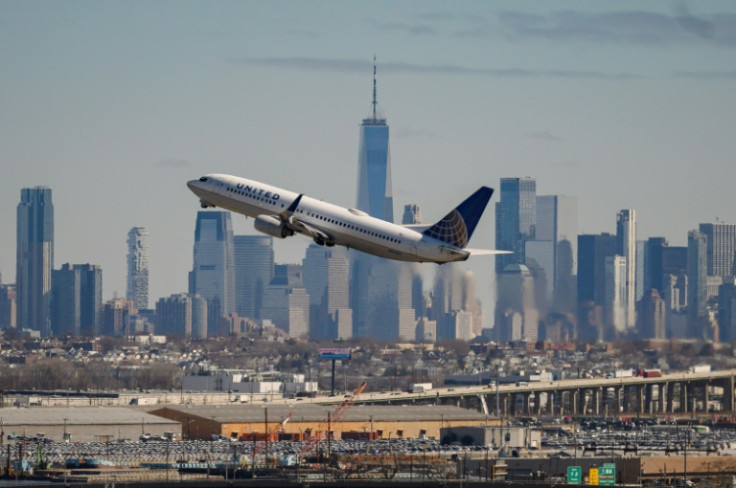
United Airlines CEO Scott Kirby publicly confirmed on Monday that he approached American Airlines about exploring a merger, ending weeks of speculation over a deal that could have dramatically redrawn the U.S. aviation landscape.
Kirby said American Airlines declined to engage in discussions, effectively closing the door on what would have been the largest airline merger in more than a decade.
"I approached American about exploring a combination because I thought we could do something incredible for customers together," Kirby said in a statement released Monday morning. He added that "without a willing partner, something this big simply can't get done.''
The confirmation marks the first time United has directly acknowledged that merger outreach took place, following earlier reports this month that Kirby had floated the idea to Trump administration officials during a White House meeting in February.
As an earlier IBT report noted that those preliminary discussions surfaced amid growing pressure on airline margins from surging fuel prices and international competition.
American Airlines CEO Robert Isom described the idea as "a nonstarter from the get-go" and said a merger between the two carriers would be "bad for customers" and "anticompetitive," Reuters noted.
Kirby's statement follows reports earlier this month that he had raised the idea of a merger during meetings with Trump administration officials in Washington. The conversations reportedly centered on the competitive position of U.S. airlines as international carriers continue to expand long-haul service into the U.S., Reuters reported.
United's press release reiterated that the U.S. airline industry needs greater scale to compete more effectively with major foreign carriers, particularly on long-haul international routes. ''Today, there's a big trade deficit with foreign flagged airlines – they fly about 65% of the long haul seats into our country even though only 40% of the customers are foreign citizens – and the combined scale of United and American would be a better way to compete with foreign carriers,'' Kirby said.
The disclosure comes at a time when the airline sector is facing renewed financial strain from the ongoing conflict in the Middle East, which has sharply lifted jet fuel costs across global markets.
In another report, IBT noted that American has already withdrawn its full-year guidance after reporting a quarterly loss, citing weaker domestic demand and higher operating expenses.
United has also warned that airfare increases may be necessary to offset the spike in fuel prices tied to the conflict, Reuters reported last week, as oil markets remain volatile following continued military escalation in the region.
Those war-related cost pressures have intensified consolidation talk across the industry, even as regulatory barriers remain steep.
Analysts cited in reporting by The Wall Street Journal said the merger would have faced significant opposition because of overlapping domestic networks, major hub concentration and likely fare concerns for consumers. The same skepticism was reflected at the political level.
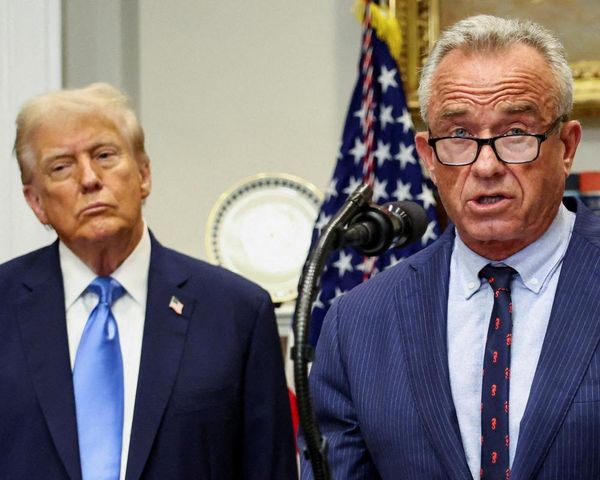
President Donald Trump said last week that he opposed the idea of a United-American combination, saying he did not want the two carriers to merge.
International routes have remained stronger than domestic leisure travel, while fuel-sensitive budget carriers such as Spirit have also come under pressure, with reports of possible federal assistance discussions emerging last week. The airline has been facing mounting financial strain amid rising fuel costs and a stalled restructuring process, with its liquidity position and future operations under close review, as previously reported by IBT.