It's not often a museum is proud to lose items from their collection.
But for the Australian Museum, the opportunity to return remains of 17 Rapa Nui people to their rightful home of Easter Island is something they have worked tirelessly to achieve.
The ancestors were removed from sacred burial sites in 1882 by a German naval expedition, and sold to the Sydney-based museum, where they have remained for more than 140 years.
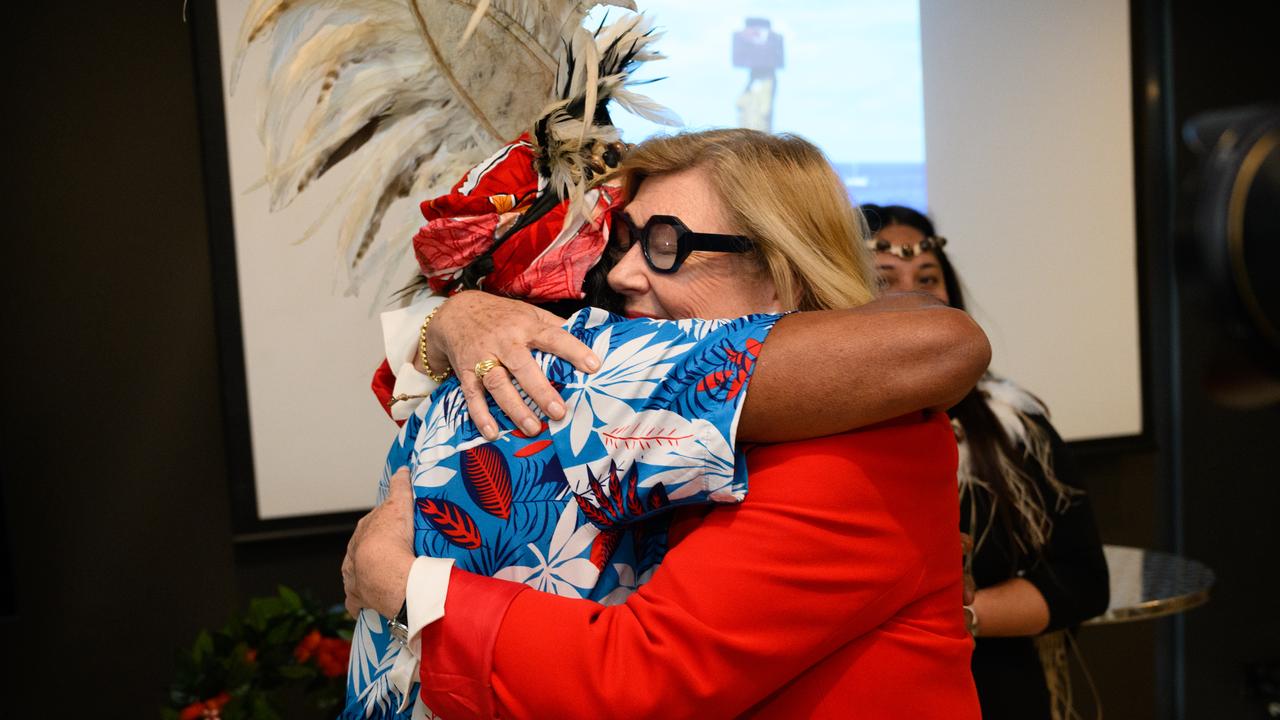
On Wednesday, a ceremony was held to formally return custodianship of the 17 ancestors and one sample of human hair to the Rapa Nui people.
It was the result of two years of cultural consultation and logistical planning between the museum, Rapa Nui people, and Australian and Chilean officials.
Human remains were often taken in the name of eugenics science, which has since been debunked and would today be considered pseudo-scientific racism.
The Rapa Nui people broke down a language barrier to accept an apology from the museum, and demonstrate their gratitude through cultural gifts and performances.
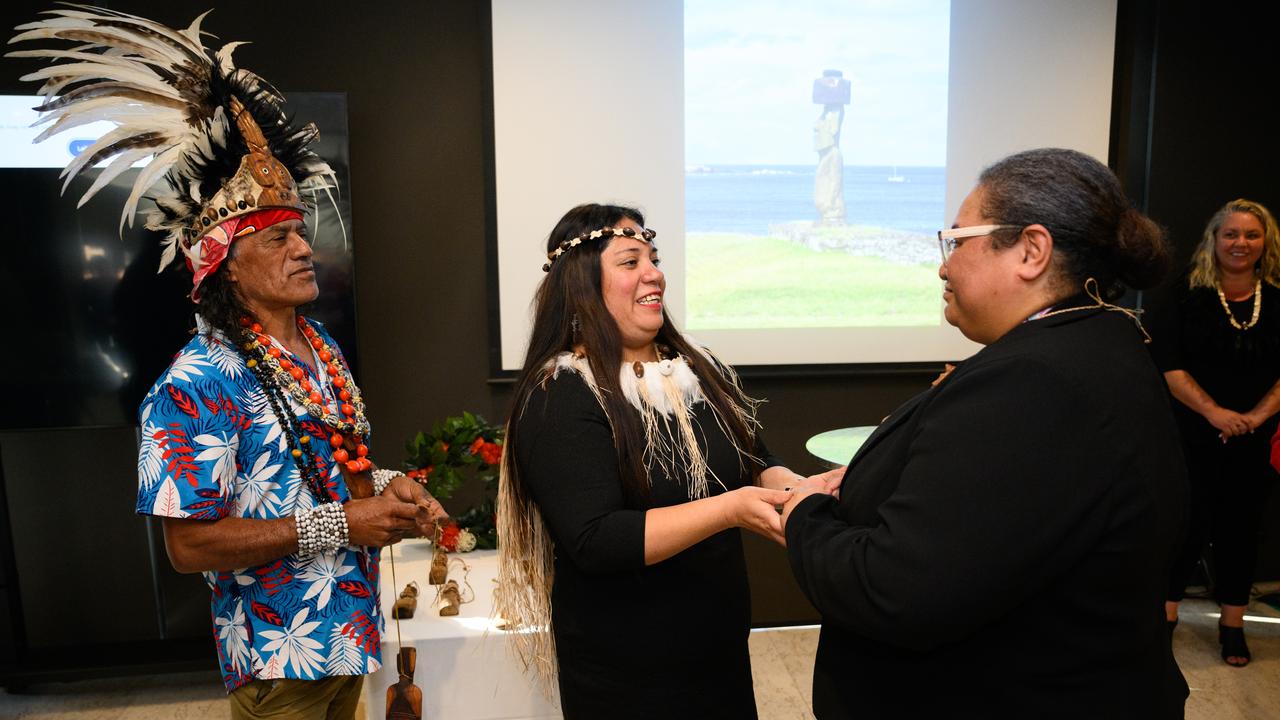
"(The museum) and all of Australia with them, are looking squarely into the face of that unflattering history and asking the practical question - how do we do what is right?," Father Francisco Nahoe, a coordinator of global repatriations to the Rapa Nui community said.
"For your efforts, you have gained the respect of the Rapa Nui people."
Australian Museum director Kim McKay used Wednesday's ceremony to recognise the harm taking human remains had caused across generations.
"Our institution took part in the purchase of human remains, remains taken without consent from resting places that were never meant to be disturbed - this was wrong," Ms McKay said at the ceremony.
"It reflected a colonial mindset that saw Indigenous ancestors as objects of study rather than as people."
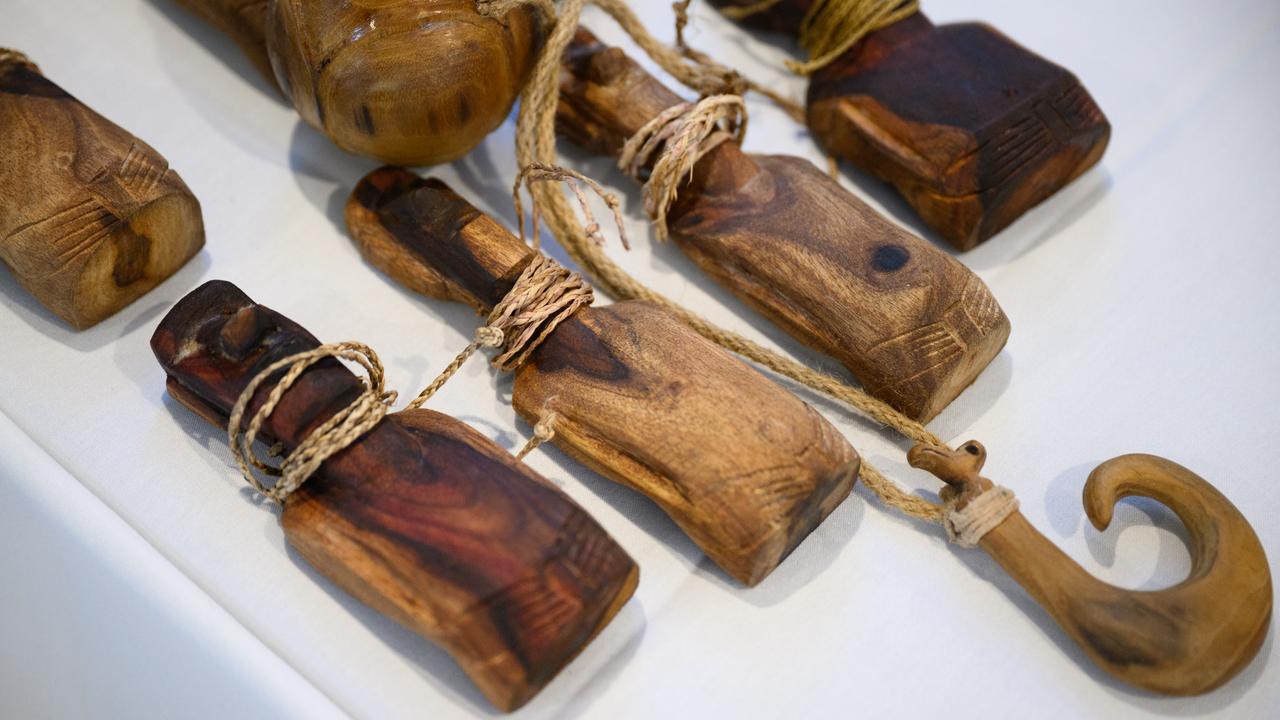
The repatriation effort was one of many the museum has done and will continue to do, returning other remains and artefacts to their traditional owners both in Australia and around the Pacific.
"You've got to do the right thing," Ms McKay told AAP.
"Times have changed significantly, there is no reason to hold on to First Nations ancestral remains in a museum in this day and age."
It comes amid growing backlash against former colonial powers who retain and display remains or items from historical conquests in museums.
"This moment transcends Rapa Nui and transcends Australia," Vaitiare Pakarati, Rapa Nui delegation member said via translation.
"It speaks to the capacity we humans have to listen to one another, to understand one another and to build a different future together."